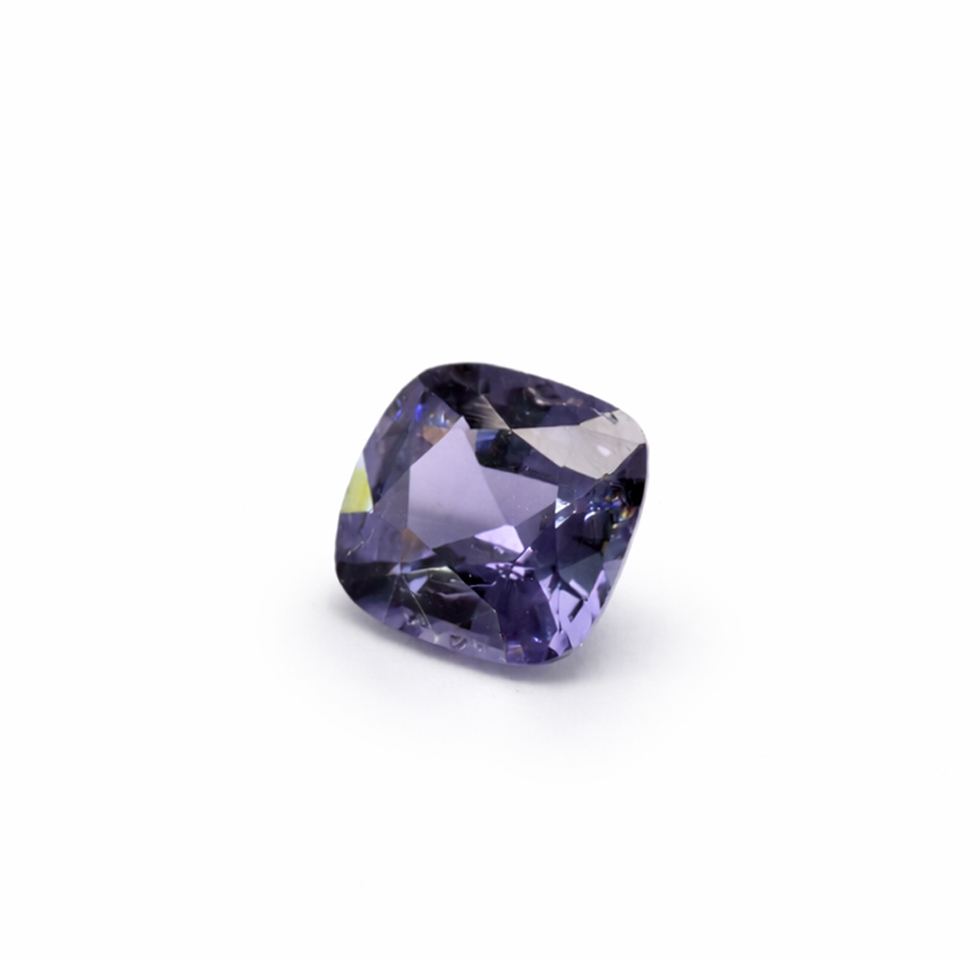
Spinel Gemstone Guide: Colors, Prices, Ruby Comparison & Buying Tips
Spinel is one of the most underrated gemstones in the jewelry world. Often mistaken for ruby or sapphire, this vibrant stone offers exceptional beauty at a much more accessible price point. Whether you’re shopping for an engagement ring or simply exploring gemstones, this complete guide to spinel will walk you through everything you need to know — from colors and pricing to comparisons with ruby and sapphire.
What Is Spinel?
Spinel is a natural gemstone known for its brilliance, durability, and wide color range. Historically, many famous “rubies” in royal collections were actually spinels — a testament to how similar and stunning they can be.
• Hardness: 8 on the Mohs scale
• Durable for everyday wear
• Typically untreated (a major advantage over many gemstones)
Spinel Colors: A Wide and Unique Spectrum
One of spinel’s biggest strengths is its variety of colors. Unlike many gemstones, spinel appears in both classic and rare tones.
Common Spinel Colors
• Red – Vivid, bright, and sometimes purer than ruby
• Pink – Ranges from soft pastel to hot neon pink
• Purple – Includes lavender and purple-blue shades
• Blue – From deep teal to rare electric cobalt blue
• Gray – Unique “steely” gray with no undertones
• Black – Deep jet black with strong luster
Rare & Collector Colors
• Cobalt Blue Spinel – Extremely rare and highly valuable
• Padparadscha-like Spinel – Pink-orange tones similar to rare sapphires
Spinels often appear brighter and “crisper” than other gemstones due to their high luster and clarity.
Spinel vs Ruby: What’s the Difference?
Spinel is often compared to ruby because of its striking red color. But there are key differences — especially in price.
Visual Comparison
• Both can look nearly identical to the naked eye
• Spinel often appears brighter and more vibrant
• Ruby tends to have a deeper, “blood red” tone
Price Comparison
• 2 carat Ruby: ~$22,000
• 2.3 carat Spinel: ~$12,000
That’s nearly half the price for a visually similar stone.
Key Takeaway
If you want a high-quality red gemstone without spending heavily, spinel is an excellent alternative to ruby.
Spinel vs Sapphire: Is Spinel a Better Value?
Spinel is also frequently compared to sapphire due to its similar brilliance and color range.
Similarities
• Comparable sparkle and clarity
• Wide color variety
• Durable for daily wear
Price Differences
• Spinel is typically 30–70% cheaper than sapphire
• No-heat sapphires can cost significantly more
Example:
• Purple Sapphire: ~$2,500 per carat
• Purple Spinel: ~$600 per carat
Why Choose Spinel?
• Better value for money
• Often more vibrant color
• Less likely to be treated
Spinel Price Guide (Per Carat)
Prices vary based on color, clarity, origin, and size. Below are general estimates for high-quality stones:
Red Spinel
• $3,000 – $4,000 per carat
Pink Spinel
• $2,000 – $6,000 per carat
Purple Spinel
• ~$600 – $1,500 per carat
Blue Spinel
• Highly variable
• Cobalt blue can exceed premium sapphire prices
Black Spinel
• Very affordable (often under $50 per carat)
💡 Larger stones increase exponentially in price — especially for rare colors.
Spinel Clarity & Quality
High-quality spinels are:
• Eye-clean (no visible inclusions)
• Bright and well-cut
• Highly reflective (“crisp” look)
Lower-quality stones may show:
• Milkiness or cloudiness
• Visible inclusions
• Poor cutting
Tip: It’s often better to invest in a high-quality spinel rather than a lower-grade sapphire or ruby at the same budget.
Treatments in Spinel
Spinel is one of the few gemstones that is typically untreated.
Common Treatments
• Heat treatment (rare, relatively new)
• Fracture filling (in lower-quality stones)
Compared to rubies and sapphires, spinel is a more natural option overall.
Natural vs Synthetic Spinel
Synthetic spinel has been widely produced and used in jewelry.
How to Tell the Difference
• Synthetic stones often have overly intense colors
• Lab testing (refractive index, microscope) confirms authenticity
Tip: Always buy from a reputable jeweler or request certification.
Where Is Spinel Found?
Spinel is mined in several regions worldwide:
• Myanmar (Burma) – Premium reds and pinks
• Tanzania – Gray, purple, and pink tones
• Sri Lanka – Wide variety of colors
• Vietnam – Known for rare cobalt blue spinel
Burmese spinels typically command higher prices due to their reputation for quality.
Is Spinel Good for Engagement Rings?
Yes — spinel is an excellent choice.
• Durable enough for daily wear
• Unique and eye-catching
• More affordable than traditional gemstones
It’s especially popular among those who want something different from diamonds, sapphires, or rubies.
Why Spinel Is Still a “Hidden Gem”
Spinel is often considered an insider’s secret in the jewelry industry.
• Jewelers love it for its beauty and value
• Limited awareness keeps prices relatively low
• Growing demand may increase prices in the future
Final Thoughts
Spinel offers a rare combination of beauty, durability, and affordability. Whether you’re drawn to its vivid reds, electric blues, or subtle grays, this gemstone is a smart and stylish choice.
If you’re looking for a gemstone that rivals ruby or sapphire — without the premium price — spinel might just be the perfect fit.
Frequently Asked Questions
Is spinel more valuable than ruby?
No, ruby is generally more expensive. However, spinel offers similar beauty at a lower price.
Does spinel hold value?
High-quality spinel, especially rare colors, can hold and even increase in value.
Is spinel natural?
Yes, most spinel is natural and often untreated.