
How to Buy Gemstones Online Without Getting Scammed: A Simple Guide for Beginners
Buying gemstones online can feel exciting, but it can also be risky if you do not know what to look for. With so many sellers, beautiful photos, and attractive prices, it is easy to make mistakes. This guide breaks everything down into simple steps so you can buy gemstones safely, avoid scams, and make smart decisions.
Start by Choosing the Right Seller
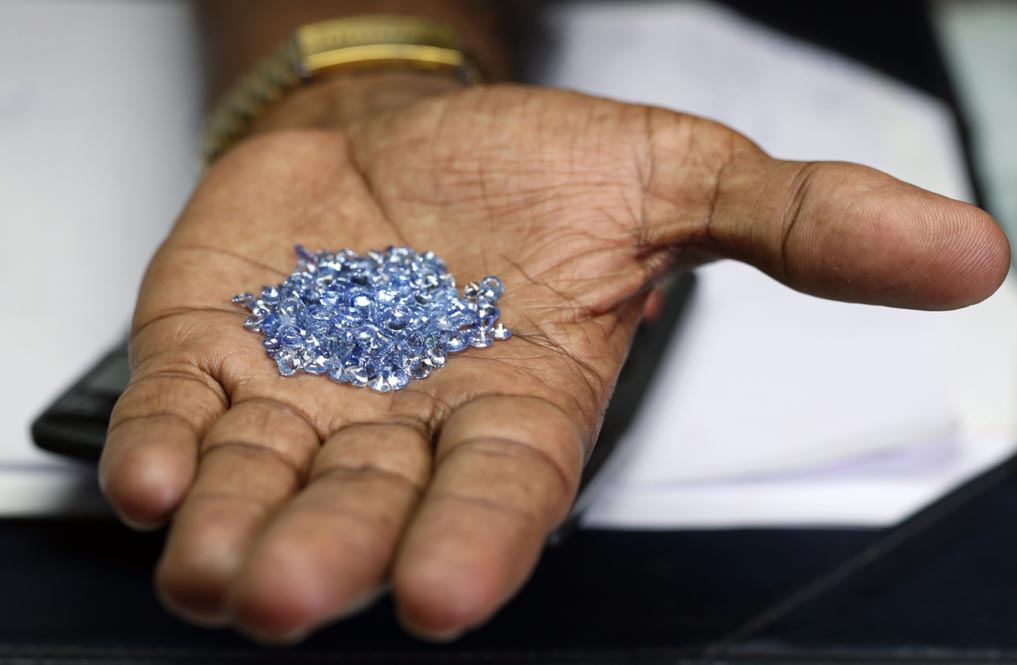
One of the biggest mistakes beginners make is buying from random sellers without doing proper checks. If you want better quality and fair pricing, try to buy directly from miners, cutters, or trusted dealers whenever possible.
Good sellers usually have:
- A professional website or active social media presence
- Clear product descriptions
- Transparent policies for returns and shipping
- Real customer reviews
Be careful with large marketplaces where anyone can sell. Not every seller is trustworthy, and some listings can be misleading.
Understand Ethical and Sustainable Sourcing
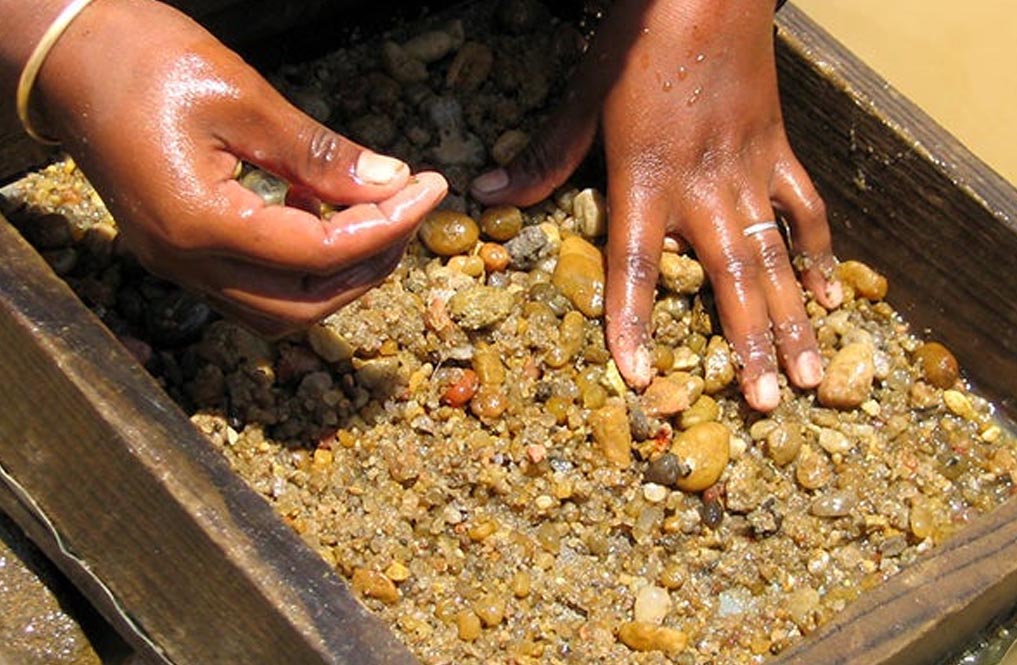
This is something many buyers ignore, but it is very important. The gemstone industry can involve unsafe working conditions, unfair wages, and even child labour in some regions.
Before buying, ask yourself:
- Where is this gemstone coming from?
- Is the seller transparent about sourcing?
- Are workers treated fairly?
Supporting ethical sellers not only helps people but also builds a more trustworthy gemstone market.
Learn Basic Gemstone Knowledge
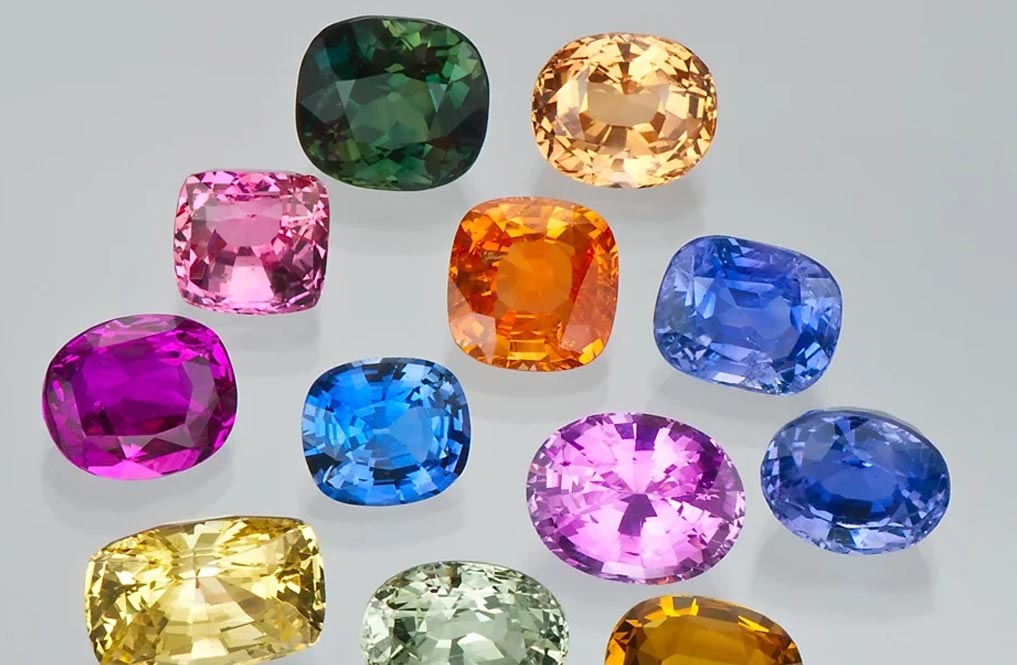
You do not need to be a gemologist, but understanding the basics will save you money.
Focus on these key factors:
- Hardness – Some stones scratch easily, others are very durable
- Durability – Important if you plan to wear the stone daily
- Treatment – Many gemstones are heat-treated or enhanced
For example, softer stones like opal need more care, while harder stones like sapphire are better for everyday jewellery.
Always Check for Treatments
Most gemstones on the market are treated in some way. This is normal, but the seller must disclose it.
Common treatments include:
- Heat treatment to improve colour
- Dyeing to enhance appearance
- Stabilisation for softer stones like turquoise
There is nothing wrong with treated stones, but you should never pay natural prices for heavily treated gems.
Look Closely at Photos and Videos
Photos can be misleading, especially with studio lighting or filters.
Before buying:
- Ask for additional photos in natural light
- Request videos showing the gemstone from different angles
- Check for inclusions, cracks, or unnatural shine
A genuine seller will not hesitate to provide more details.
Understand Size and Scale
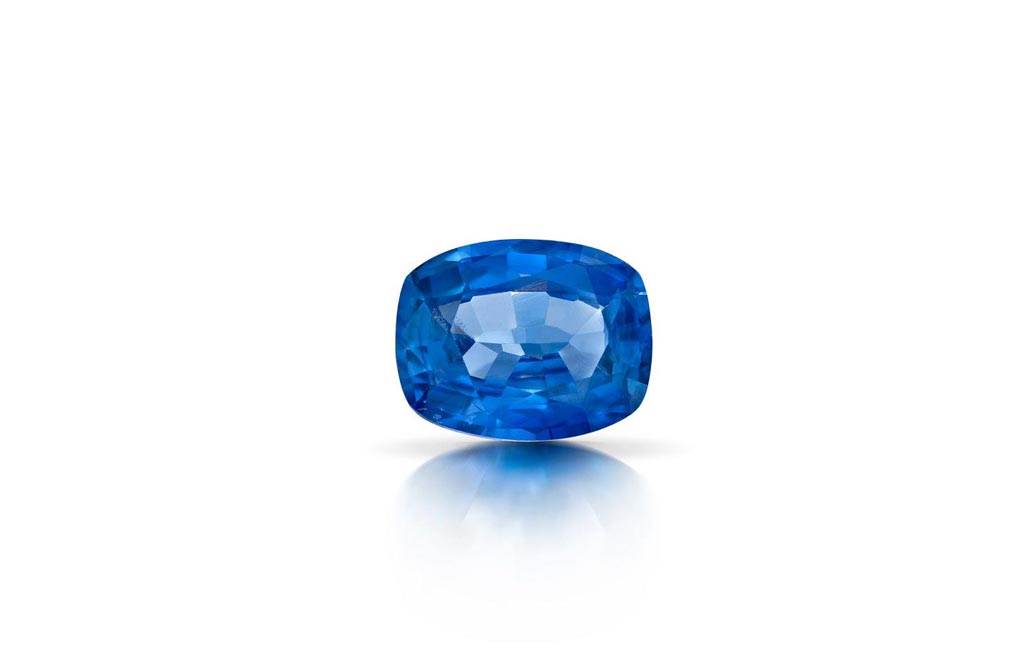
Many buyers get disappointed because they misunderstand the size of the gemstone.
Tips to avoid this:
- Check dimensions in millimetres
- Compare with a ruler or everyday object
- Do not rely only on photos
A gemstone may look large in a photo but be very small in reality.
Avoid Very Cheap Deals
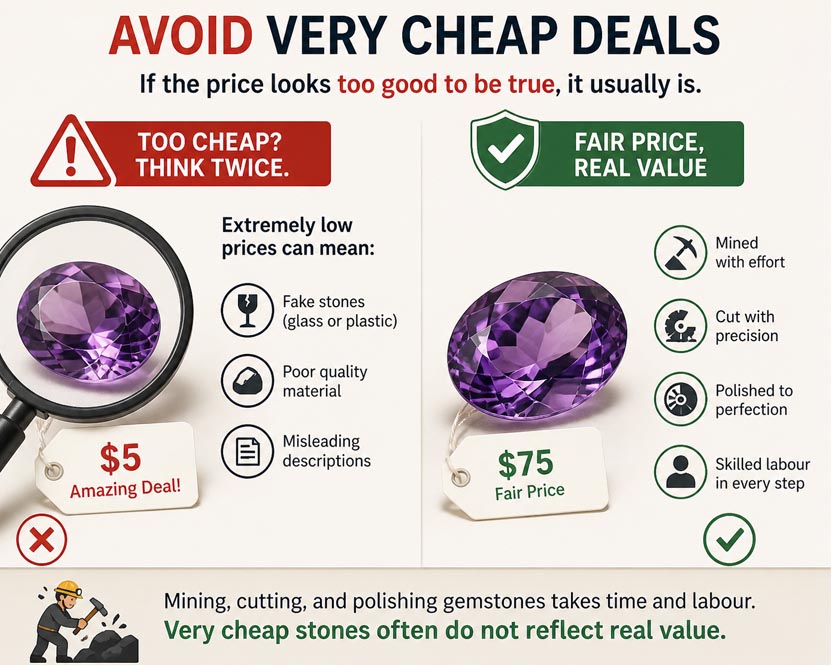
If the price looks too good to be true, it usually is.
Extremely low prices can mean:
- Fake stones (glass or plastic)
- Poor quality material
- Misleading descriptions
Remember, mining, cutting, and polishing gemstones takes time and labour. Very cheap stones often do not reflect real value.
Be Careful with Bulk or “Lucky Dip” Purchases
Some sellers offer bundles of gemstones at low prices. These often include unsold or low-quality pieces. While they can be useful for practice or collection, do not expect high-quality gems in these lots.
Know the Difference Between Real and Fake Stones
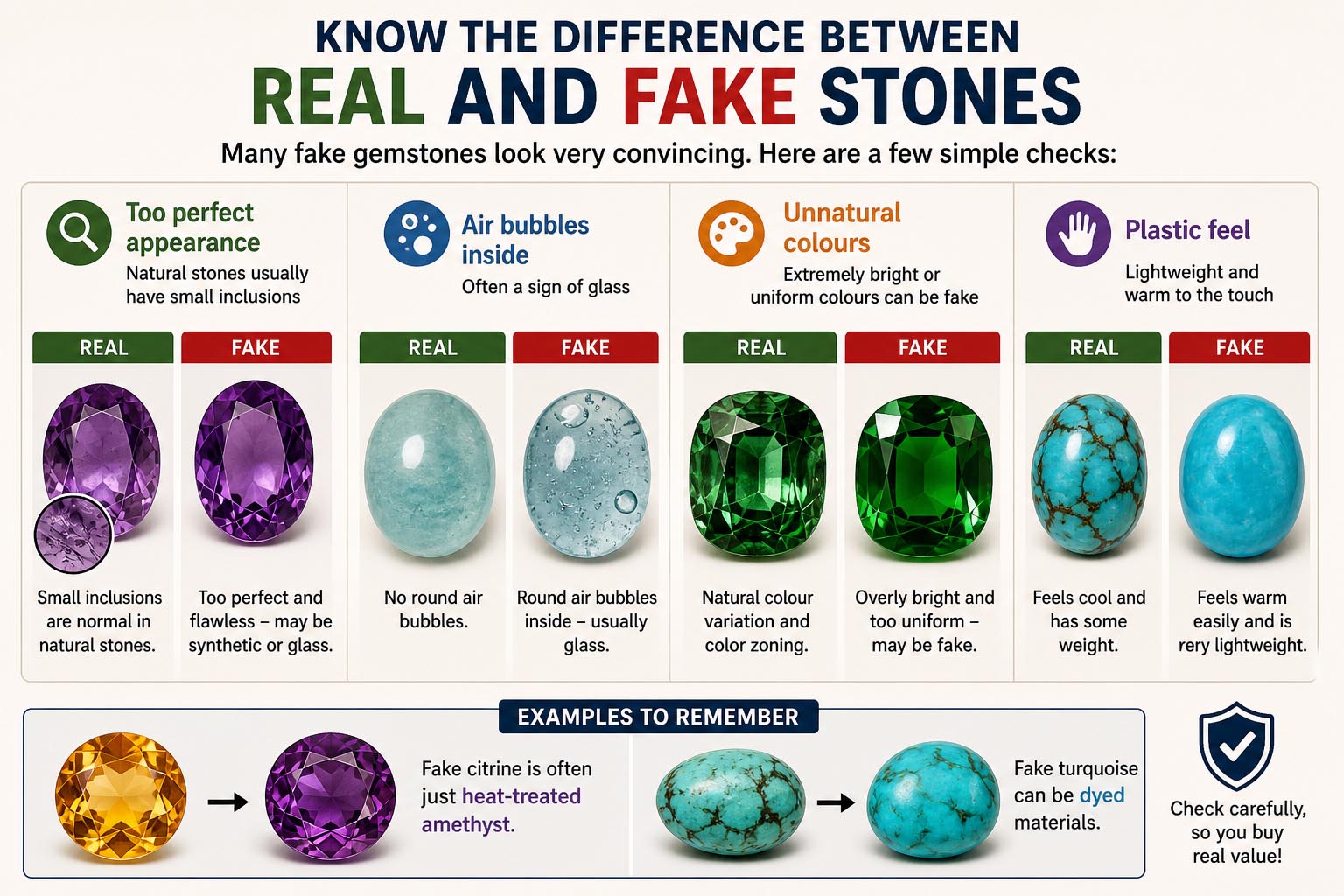
Many fake gemstones look very convincing. Here are a few simple checks:
- Too perfect appearance – Natural stones usually have small inclusions
- Air bubbles inside – Often a sign of glass
- Unnatural colours – Extremely bright or uniform colours can be fake
- Plastic feel – Lightweight and warm to the touch
For example, fake citrine is often just heat-treated amethyst, and fake turquoise can be dyed materials.
Communicate with the Seller
Before buying, ask questions. A reliable seller will respond clearly and honestly.
You can ask:
- Is this stone natural or treated?
- Where was it sourced?
- Can you provide certification?
If a seller avoids questions or gives vague answers, it is better to walk away.
Consider Buying in Person When Possible
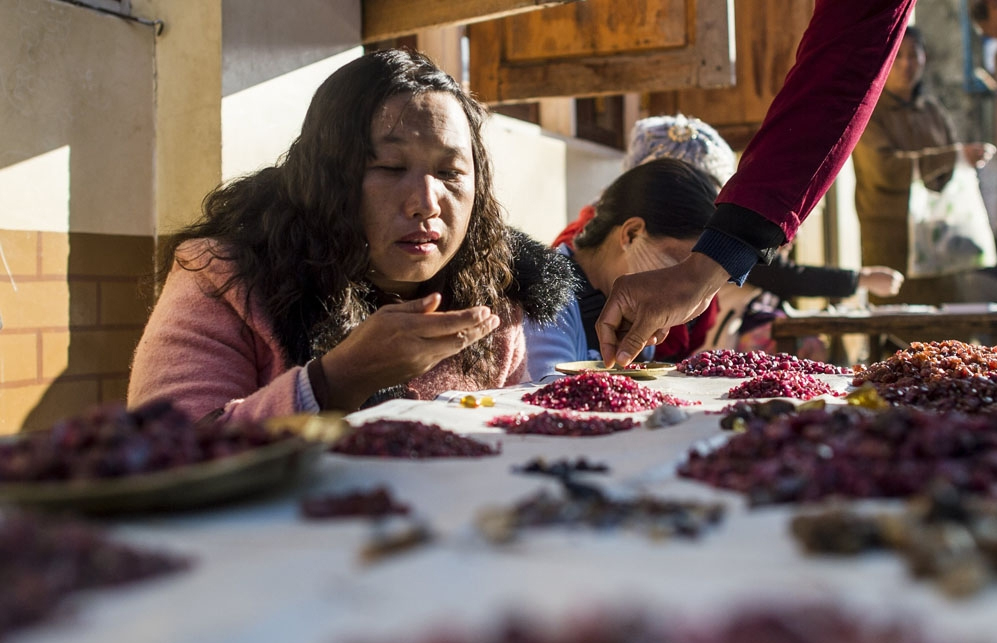
Online buying is convenient, but visiting gem shows or shops gives you a better understanding of quality.
When you see gemstones in real life:
- You understand true colour and brilliance
- You can compare different stones
- You gain confidence in your buying decisions
Even occasional in-person buying can improve your online judgement.
Buying gemstones online does not have to be risky. With the right knowledge and a careful approach, you can find beautiful and valuable stones without getting scammed.
Keep these key points in mind:
- Choose trustworthy sellers
- Learn the basics of gemstones
- Always check photos and details carefully
- Avoid deals that look too cheap
- Support ethical sourcing
If you take your time and stay informed, you will not only avoid mistakes but also enjoy the process of building your gemstone collection.