
Paraiba Tourmaline: Colors, Value, Origins, and Buying Guide
Paraiba tourmaline is one of those gemstones that instantly grabs attention. Its glow is unlike anything else in the gem world. Bright, electric, and almost neon in appearance. If you have ever seen one in person, you will understand why collectors and jewelry lovers are so fascinated by it.
In this guide, we will break down everything you need to know about Paraiba tourmaline in simple terms. This includes its origins, colors, pricing, treatments, and how to avoid imitations.
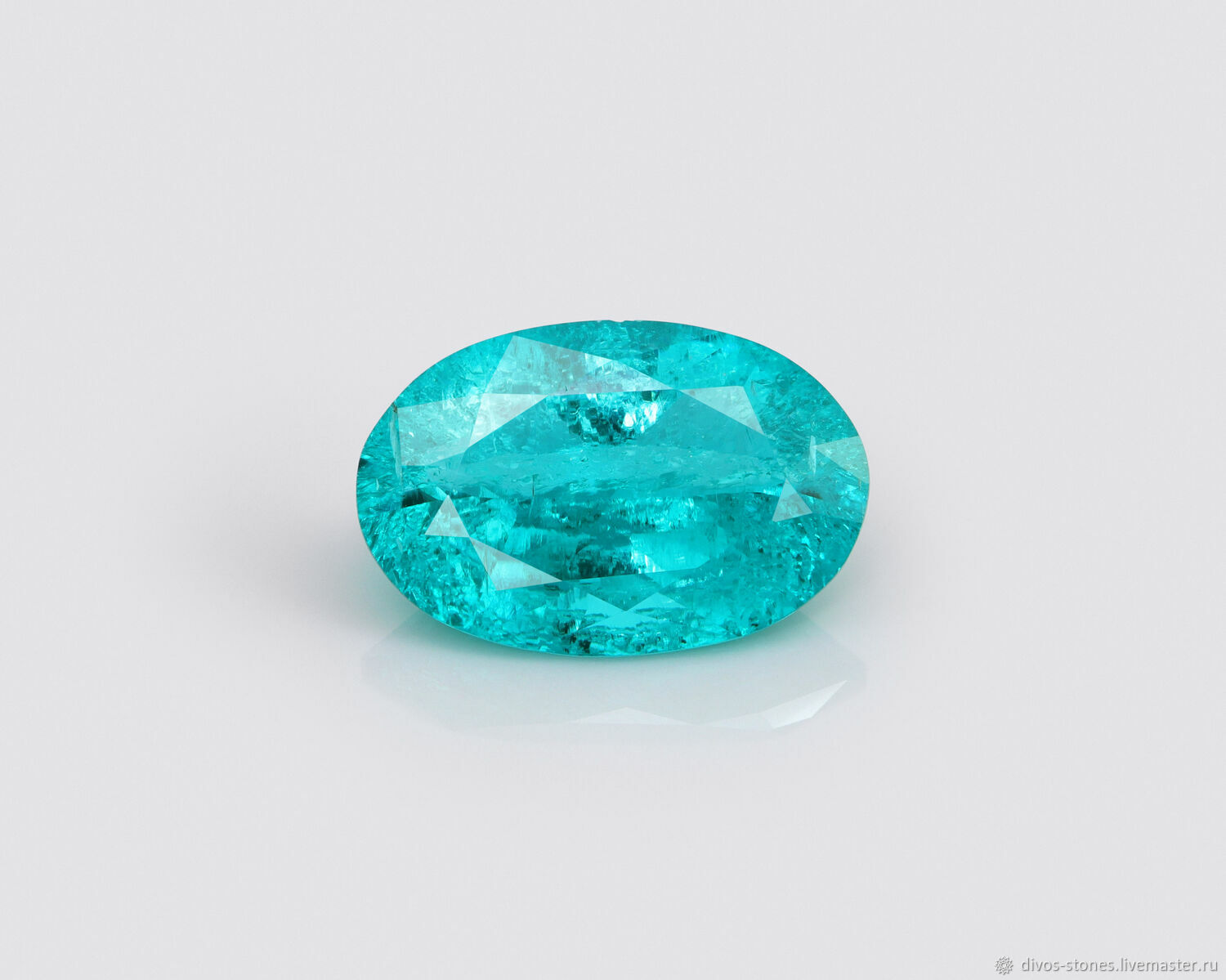
Paraiba tourmaline is a rare variety of tourmaline that contains copper. This copper content gives the stone its signature glowing color. It was first discovered in the late 1980s in the Brazilian state of Paraíba, which is where the gem gets its name.
Compared to other gemstones, Paraiba is relatively new to the market. Despite that, it quickly became one of the most sought after stones in the world because of its unique color and rarity.
Where Does Paraiba Tourmaline Come From?
Although it was first found in Brazil, Paraiba tourmaline is now also mined in:
- Brazil, which is the original and most valuable source
- Nigeria
- Mozambique
Why origin matters
- Brazilian stones are the most valuable
- African stones from Nigeria and Mozambique are more common and usually more affordable
- Larger stones with strong color are easier to find in African sources
- Smaller Brazilian stones tend to have stronger saturation
In many cases, advanced lab testing is required to confirm origin, and even then it is not always fully certain.
Paraiba Tourmaline Colors
Color is the most important factor when it comes to Paraiba tourmaline.
Main color range
- Electric blue
- Neon turquoise
- Blue green
- Green
- Rare shades such as purple and pink
Most valuable color
The most prized color is often described as:
- Neon blue or Windex blue
This bright glowing blue is considered top quality and commands the highest prices.
How color affects value
- More blue increases the price
- More green lowers the price
- Strong saturation increases value significantly
Pale stones are less valuable even if they appear more blue
Why Is Paraiba Tourmaline So Expensive?
Several factors make Paraiba tourmaline expensive:
- Extreme rarity
- Unique copper based color
- High demand from collectors
- Limited supply from original Brazilian mines
Price guide
- Small stones under 1 carat can range from
- 800 to 5000 dollars per carat
- Brazilian stones between 2 and 3 carats
- Around 20000 to 30000 dollars per carat
- African stones
- Around 8000 dollars per carat depending on quality
- Exceptional stones
- Can reach much higher prices
Even small differences in color or origin can significantly affect the price.
What Makes a Stone Paraiba?
Not every blue or green tourmaline is Paraiba.
To be considered Paraiba tourmaline, the stone must:
- Contain copper which is essential
- Have noticeable color saturation
- Show the characteristic neon glow
Even stones in unusual colors like purple can be classified as Paraiba as long as copper is present.
Treatments and Enhancements
Like many gemstones, Paraiba tourmaline is often treated to improve its appearance.
Common treatments
- Heat treatment
- Widely accepted in the industry
- Can enhance color by reducing purple tones
- Does not significantly reduce value
- Fracture filling using resin
- Used to improve clarity
- More common in African material
- Should always be disclosed
Natural untreated stones may carry a premium, but treated stones are still widely accepted.
Are There Synthetic or Fake Paraiba Stones?
There are no true synthetic Paraiba tourmalines that exactly replicate the natural version.
However, there are many imitations available in the market.
Common imitations
- Colored glass
- Cubic zirconia
- Synthetic spinel
- YAG or other synthetic materials
These may copy the color but do not have the same glow or depth as real Paraiba.
Similar Gemstones as Alternatives
If you like the look but not the price, there are several alternatives to consider.
Affordable options
- Swiss blue topaz
- Bright blue color
- Very affordable
- Blue zircon
- Good brilliance
- Natural gemstone
- Apatite
- Similar neon color
- Softer and more delicate
Other tourmalines
- Chrome tourmaline
- Lagoon tourmaline
- Mint tourmaline
These can offer similar tones without the high Paraiba price.
Buying Tips for Paraiba Tourmaline
If you are planning to buy Paraiba tourmaline, keep these points in mind:
- Always request a certificate from a reputable gem lab
- Confirm if the stone is natural or treated
- Ask about the origin, especially if paying a premium
- Be cautious of very cheap stones labeled as Paraiba
- Focus on color and saturation rather than size
Important note
The term Paraiba is sometimes used loosely in the market. Some sellers use it to describe the color instead of the origin. Always clarify exactly what you are purchasing.
Why People Love Paraiba Tourmaline
There is something special about this gemstone.
- It has a neon glow that appears almost lit from within
- It stands out and attracts attention instantly
- It feels modern, vibrant, and unique
- It pairs well with both yellow gold and white gold
In warmer regions and coastal areas, Paraiba is especially popular because of its bright ocean like colors.
Final Thoughts
Paraiba tourmaline is one of the most exciting gemstones discovered in recent decades. Its rarity and vibrant color make it highly desirable, but also challenging to buy. If you are considering one, take your time, ask the right questions, and always verify what you are getting. Whether you choose a Brazilian stone or an African one, a well selected Paraiba can be a beautiful and valuable addition to your collection.