
Color Change Gemstones Explained: The Magic Behind Alexandrite, Garnet, Sapphire and More
Color change gemstones are some of the most fascinating treasures in the world of jewelry. Unlike regular stones, these rare gems can appear as completely different colors depending on the lighting. This is not a subtle shift. In many cases, the transformation is dramatic and instantly noticeable.
If you have ever seen a gemstone look green in daylight and turn deep red under indoor lighting, you have witnessed this incredible optical phenomenon in action.
In this guide, we will break down what color change gemstones are, how they work, and which stones are worth knowing about.
What Are Color Change Gemstones?
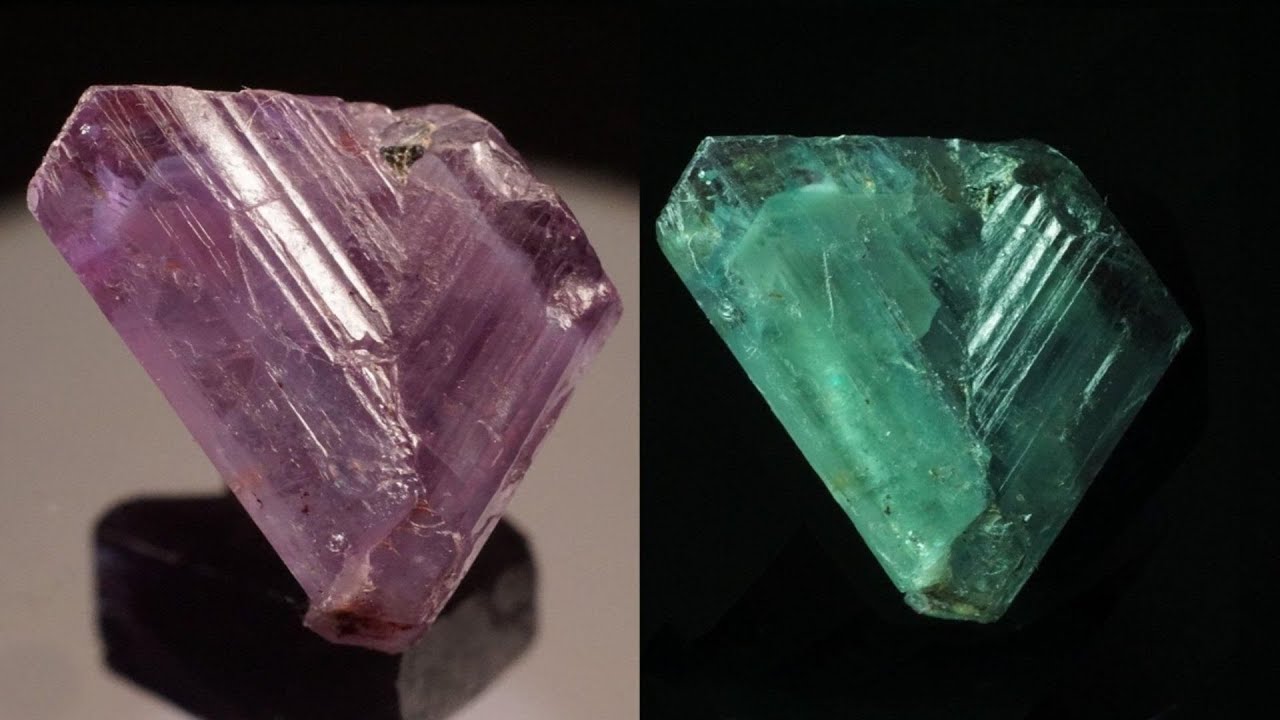
Color change gemstones are stones that display two distinctly different colors when viewed under different light sources. Typically, the change happens between natural daylight and artificial light such as incandescent or candlelight.
For example
Alexandrite can appear green in daylight and turn reddish purple indoors
Some garnets shift from bluish tones to raspberry hues
This is not just a slight variation. True color change gems show a clear and noticeable difference, making them highly prized among collectors.
Color Change vs Color Shift vs Pleochroism
These terms are often confused, but they describe different effects.
Color Change
- Shows two clearly different colors
- Triggered by different lighting conditions
- Example: green to red or blue to purple
Color Shift
- The color changes slightly but stays within the same family
- Example: cool pink to warm peachy pink
- Less dramatic than a true color change
Pleochroism
- The color changes when you tilt the stone, not when lighting changes
- Caused by the internal crystal structure
- Common in stones like tanzanite or iolite
Understanding these differences helps you identify whether a gemstone is truly rare or just showing a common optical effect.
The Four Main Types of Color Change Gemstones
1. Alexandrite – The King of Color Change
Alexandrite is the most famous and valuable color change gemstone.
- Daylight color: green to bluish green
- Indoor light: red, purple, or raspberry
- Stronger color change means higher value
Often described as “emerald by day, ruby by night,” alexandrite offers one of the most dramatic transformations in the gemstone world.
High quality stones with deep saturation and strong contrast are extremely rare and expensive.
2. Color Change Sapphire
Color change sapphires are less intense than alexandrite but still very appealing.
- Daylight: royal blue
- Indoor light: purple or violet
They are often priced between standard blue sapphires and rarer premium stones. This makes them a good option for buyers who want something unique without the extreme cost of alexandrite.
3. Color Change Garnet
Garnets are underrated when it comes to color change.
- Daylight: blue or greenish tones
- Indoor light: deep purple or raspberry
Many high quality stones come from Madagascar. While they are generally darker than alexandrite, their color transformation can still be very striking.
Some garnets also show color shift, especially in the Malaya variety, moving between peach and pink tones.
4. Diaspore (Also Known as Zultanite or Csarite)
This gemstone is less well known but still fascinating.
- Daylight: lime green
- Indoor light: soft pink or champagne tones
Unlike online images that often exaggerate the colors, real stones tend to show more subtle transitions. Despite this, they are still attractive and usually more affordable than other color change gems.
What Causes Color Change in Gemstones?
The secret lies in how gemstones interact with light.
Light contains a spectrum of colors. When light enters a gemstone, certain wavelengths are absorbed while others are reflected back to your eyes. The colors you see are the ones that are not absorbed.
Different light sources have different color compositions
- Daylight contains more blue wavelengths
- Incandescent light contains more red wavelengths
Because of this, the gemstone reflects different colors depending on the light source, creating the color change effect.
Does Origin Affect Color Change?
Yes, origin can influence how strong or vibrant the color change appears.
For example
- Russian and Brazilian alexandrites are known for strong color contrast
- Some stones from other regions may appear softer or more pastel
The key factor is the concentration of trace elements within the gemstone. Higher concentration often results in deeper color and more dramatic change.
Why Are Color Change Gemstones So Valuable?
Several factors make these stones highly desirable
- Rarity: very few gemstones show true color change
- Uniqueness: each stone offers a different transformation
- Visual impact: it feels like owning two gemstones in one
- Collectibility: strong demand among gem enthusiasts
The stronger and more distinct the color change, the more valuable the stone becomes.
Color change gemstones are a perfect blend of science and beauty. Their ability to transform under different lighting conditions makes them one of the most intriguing choices in fine jewelry.
Whether you are drawn to the dramatic shift of alexandrite or the subtle elegance of diaspore, these gems offer something truly special.
If you are considering buying one, always view the stone under multiple lighting conditions to see its full potential. What you see online may not always match reality, so careful selection is key.
Looking for something rare and eye catching? A color change gemstone might be exactly what you need.