
Sinhalite Gemstone: The Rare Sri Lankan Treasure You’ve Probably Never Heard Of
Sinhalite is one of the most fascinating yet underrated gemstones in the world. While diamonds, sapphires, and emeralds dominate the spotlight, this rare gem quietly holds its own with a unique story, beautiful colors, and strong collector appeal. If you are curious about uncommon gemstones or looking for something truly different, sinhalite is worth discovering.
What is Sinhalite?
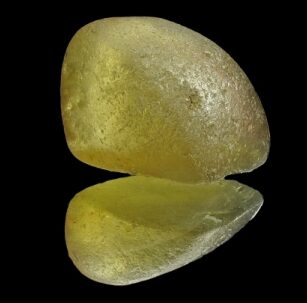
Sinhalite is a rare borate mineral that was first identified in Sri Lanka. Its name comes from “Sinhala,” the ancient term for the country. This gemstone is known for its warm tones, ranging from yellow to brown and sometimes greenish shades. It is valued not only for its appearance but also for its rarity and scientific importance.
Discovery and History
Sinhalite has an interesting history that involves years of confusion. Before the 1950s, it was often mistaken for peridot due to its similar color and optical properties.In 1952, Swiss gemologist Dr. Eduard Gubelin studied the stone and confirmed that it was a completely new mineral. This discovery gave sinhalite its identity and recognition in the gemstone world.
Even today, sinhalite remains relatively unknown in the commercial market, but it is highly appreciated by collectors and gem enthusiasts.
How Sinhalite Forms
Sinhalite forms under extreme heat and pressure deep within the Earth’s crust. It is typically found in metamorphic rocks, which are rocks that have been transformed by intense conditions.
These rare geological conditions make sinhalite difficult to find, which adds to its value and exclusivity.
Chemical Composition
- Composed of magnesium aluminum borate (MgAlBO4)
- Part of the rare borate mineral family
Color Formation
- Its color comes from trace elements like iron
- These elements affect how light interacts with the stone
Physical and Optical Properties
Sinhalite has several unique characteristics that make it both attractive and challenging to work with.
Key Properties
Color: Light yellow to deep brown, sometimes greenish
Hardness: 6.5 to 7 on the Mohs scale
Luster: Glassy and bright when polished
Crystal System: Orthorhombic
Refractive Index: Similar to peridot, which caused earlier confusion
Its moderate hardness makes it suitable for jewelry, but it requires careful handling to avoid damage.
Where is Sinhalite Found?
Although first discovered in Sri Lanka, sinhalite has been found in a few other locations around the world.
Main Sources
Sri Lanka: The primary and most important source, especially in Ratnapura
Myanmar (Burma): Produces lighter-colored stones
Other Locations: Madagascar, Tanzania, and parts of the United States in limited quantities
Sri Lankan sinhalite is often considered the most valuable.

Color Variations and Treatments
Sinhalite does not have many variations compared to other gemstones, but it still offers some diversity.
Color Range
Light yellow
Honey brown
Greenish brown
Darker, richer tones are usually more desirable.
Treatments
Rarely treated or enhanced
Most stones on the market are completely natural
This natural quality makes sinhalite especially appealing to collectors.
Cutting and Shaping Sinhalite
Cutting sinhalite requires skill because of its optical properties and moderate hardness.
Common Cuts
Oval
Cushion
Emerald
These cuts help enhance its color and brilliance.
Other Forms
Round and pear shapes are less common
Cabochon cuts are used for less transparent stones
How to Identify Sinhalite
Sinhalite can be confused with other gemstones, especially peridot.
Differences from Peridot
- Similar color and refractive index
- Different chemical structure
- Different crystal system
Identification Methods
- Refractometers
- Spectrometers
- Chemical analysis
Experts rely on these tools to confirm authenticity.
Uses of Sinhalite
Sinhalite is mainly used in jewelry and collecting.
Jewelry
- Rings
- Earrings
- Pendants
- Brooches
Its warm tones suit both modern and vintage designs.
Collecting
- Highly valued due to rarity
- Popular among gemstone collectors and researchers
Sinhalite Value and Price
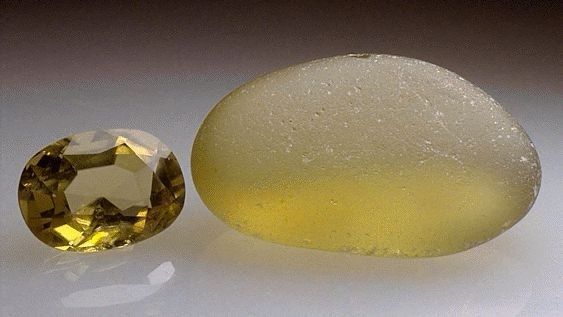
The price of sinhalite depends on several factors.
Value Factors
Color richness
Clarity
Size
Origin
Price Range
Typically $100 to $500 per carat
Larger stones over 5 carats can be more expensive
Because it is not widely traded, prices can vary.
As more people discover sinhalite, interest in this gemstone is growing. Its rarity and unique characteristics make it an attractive option for collectors and jewelry designers looking for something different. It may not be as famous as diamonds or sapphires, but sinhalite has the potential to become a sought-after gem in the future.
Sinhalite is a hidden gem in every sense. From its discovery in Sri Lanka to its rare formation and natural beauty, it offers something truly special. Whether you are a collector, a jewelry lover, or simply curious about gemstones, sinhalite is a remarkable stone worth knowing.