
Tourmaline Gemstone Guide: Colors, Prices, Paraiba, Watermelon and What Makes This Gem So Special
If there is one gemstone that truly shows nature’s creativity, it is tourmaline. From electric blues and deep forest greens to bright pinks and rare watermelon patterns, tourmaline comes in more colours than almost any other gemstone on Earth.
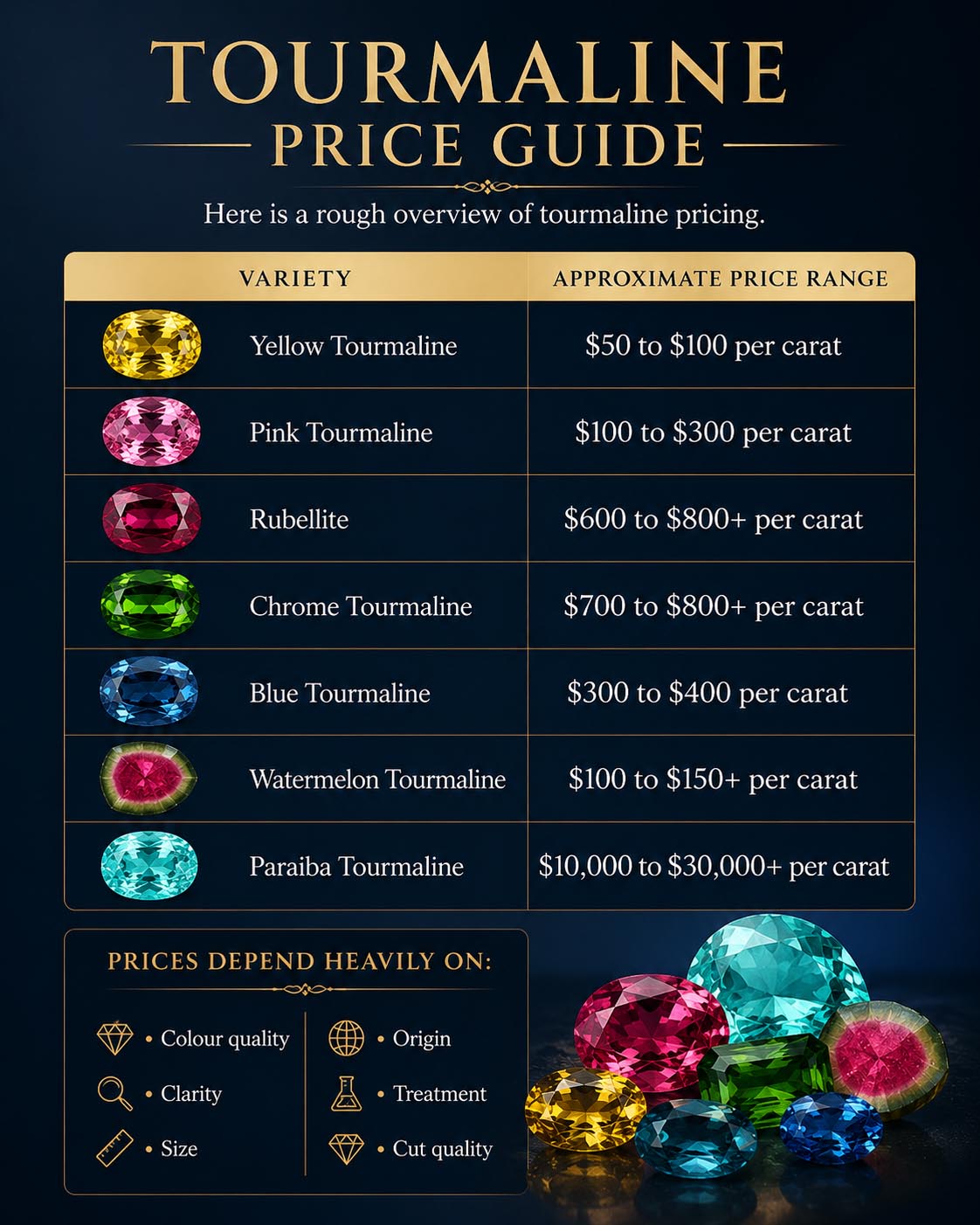
This incredible variety is one reason why collectors, jewellers, and gemstone lovers are obsessed with tourmaline. Whether you are shopping for jewellery, investing in gemstones, or simply learning about gemology, understanding tourmaline can help you appreciate why some stones cost £50 while others can sell for tens of thousands per carat.
In this guide, we will explore tourmaline colours, prices, origins, treatments, rare varieties like Paraiba and Watermelon Tourmaline, and what to look for before buying.
What Is Tourmaline?
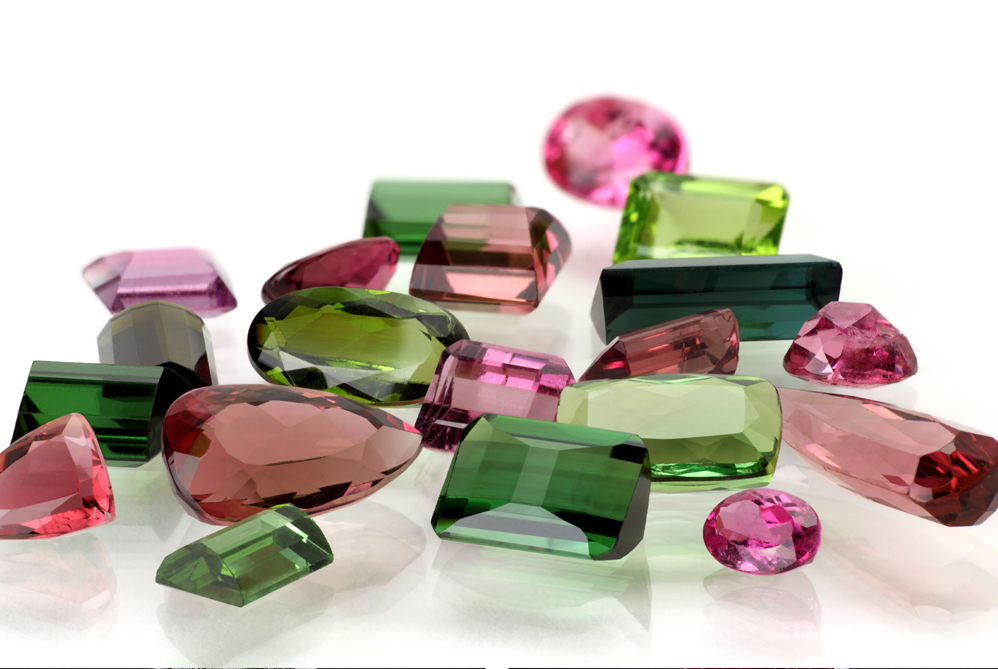
Tourmaline is one of the most colourful gemstone families in the world. It is a mineral group that forms in many different colours depending on the elements present during its growth.
Unlike gemstones that are known for only one colour, tourmaline can appear in:
- Green
- Pink
- Red
- Blue
- Yellow
- Orange
- Purple
- Black
- Colourless
- Multicolour combinations
Tourmaline is also the birthstone for October, making it especially popular in jewellery.
Why Tourmaline Is So Popular
Tourmaline stands out because it offers something for almost every taste and budget.
Some people love soft pastel pinks. Others prefer dark forest greens or glowing electric blues. Tourmaline even forms stones with multiple colours inside the same crystal.
The gemstone is also loved because:
- It is available in many sizes
- Large crystals can form naturally
- Many stones are untreated
- Unique colours make every stone feel different
- It works beautifully in rings, pendants, and collector jewellery
Tourmaline Colours Explained
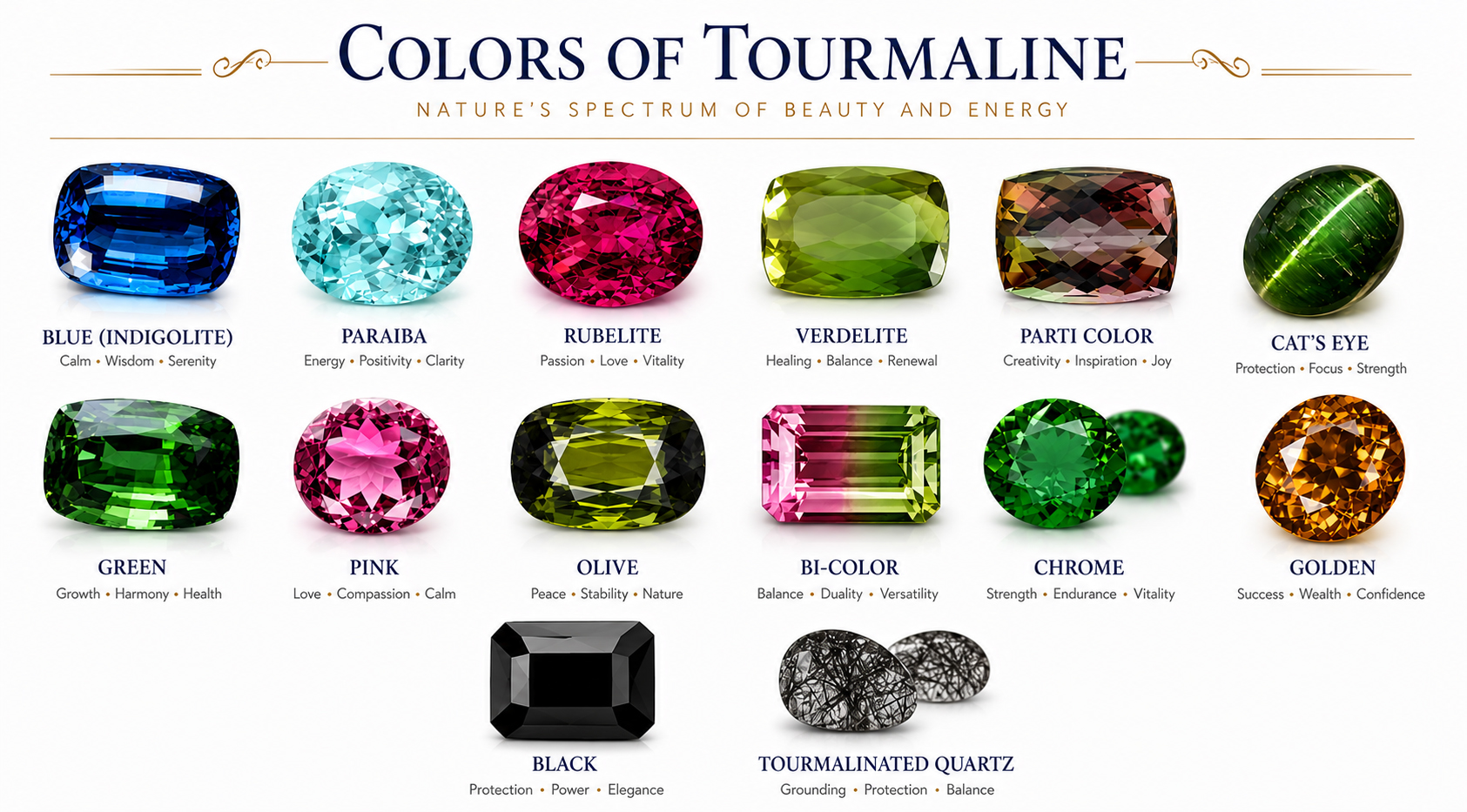
Green Tourmaline
Green tourmaline is one of the most common and popular varieties. It ranges from light mint shades to deep forest greens.
Mint Green Tourmaline
Mint tourmaline has become increasingly fashionable in modern jewellery. Its soft fresh appearance works beautifully with yellow gold and rose gold settings.
These stones often have a clean and elegant look that appeals to younger jewellery buyers.
Chrome Tourmaline
Chrome Tourmaline is a rarer green variety coloured by chromium.
It is known for:
- Rich forest green colour
- Strong saturation
- Higher rarity
- Excellent brilliance
Chrome tourmaline is mainly found in East Africa, especially Kenya and Tanzania.
Large clean stones are difficult to find, which makes fine examples expensive.
Pink Tourmaline
Pink Tourmaline is one of the most recognised tourmaline colours.
These gems are especially popular in:
- Birthstone jewellery
- Engagement rings
- Feminine fine jewellery
- Designer gemstone collections
Pink tourmalines often contain inclusions, especially stones from Afghanistan. However, beautiful colour can still make them highly valuable.
Rubellite Tourmaline
Rubellite refers to red or strong reddish-pink tourmaline.
The closer the colour gets to ruby red, the more valuable the stone becomes.
High-quality rubellite is prized because:
- Strong red colour is rare
- Clean stones are difficult to find
- Large stones are uncommon
Fine rubellite can reach hundreds of dollars per carat, especially when the stone has excellent clarity.
Blue Tourmaline
Blue tourmaline is surprisingly underrated in the gemstone market.
Colours range from:
- Light ocean blue
- Teal blue
- Indigo
- Deep London blue tones
Many buyers do not even realise blue tourmaline exists, which keeps prices lower than some other rare gemstones.
However, collectors increasingly appreciate these colours because they look unique compared to sapphires or aquamarines.
Seafoam Tourmaline
Seafoam tourmaline features a beautiful mix of blue and green.
This colour has become more desirable as fine chrome tourmaline becomes harder to find in larger sizes.
Seafoam stones often provide:
- Better affordability
- Larger sizes
- Excellent brightness
- Modern jewellery appeal
Paraiba Tourmaline: The Most Expensive Tourmaline
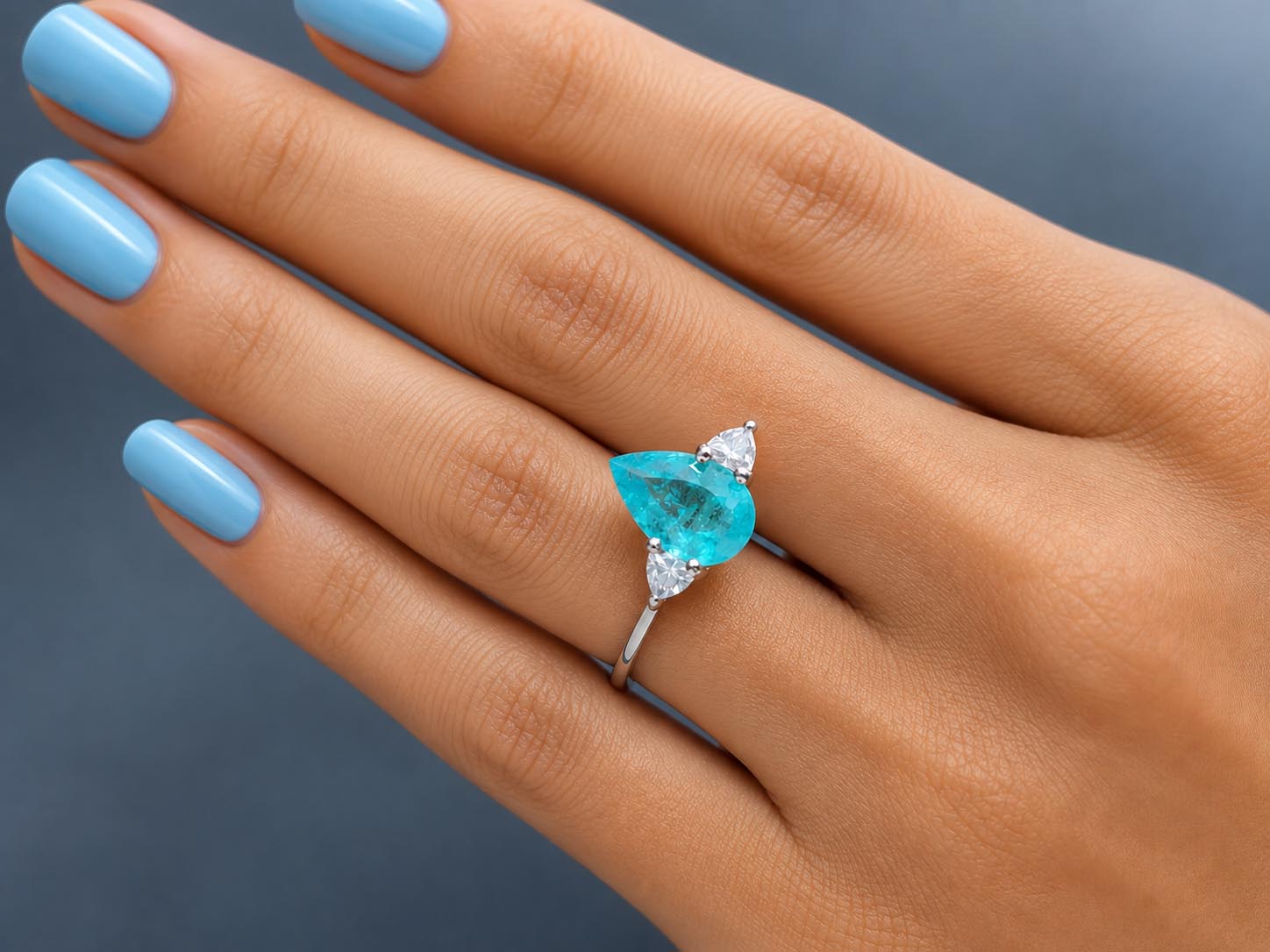
Paraiba Tourmaline is considered the king of tourmalines.
This gemstone became famous because of its glowing electric neon blue colour that almost appears to light up from inside.
Why Paraiba Tourmaline Is So Valuable
Paraiba tourmaline contains copper, which creates its famous electric glow.
The most valuable stones show:
- Electric turquoise blue
- Neon blue-green
- Strong brightness
- High saturation
Fine Brazilian Paraiba stones can easily reach:
- $10,000 per carat
- $30,000 per carat
- Even higher for exceptional gems
Brazilian stones from the original Paraiba region are the most valuable.
Mozambique Paraiba tourmalines are also beautiful and more affordable, although still extremely expensive compared to ordinary tourmalines.
Heat Treatment in Paraiba Tourmaline
Some Paraiba stones are heated to improve colour.
Purple-toned rough crystals may transform into electric blue after heating.
Unlike many gemstones, tourmaline usually receives minimal treatment compared to rubies or sapphires.
Watermelon Tourmaline: Nature’s Most Unique Colour Combination
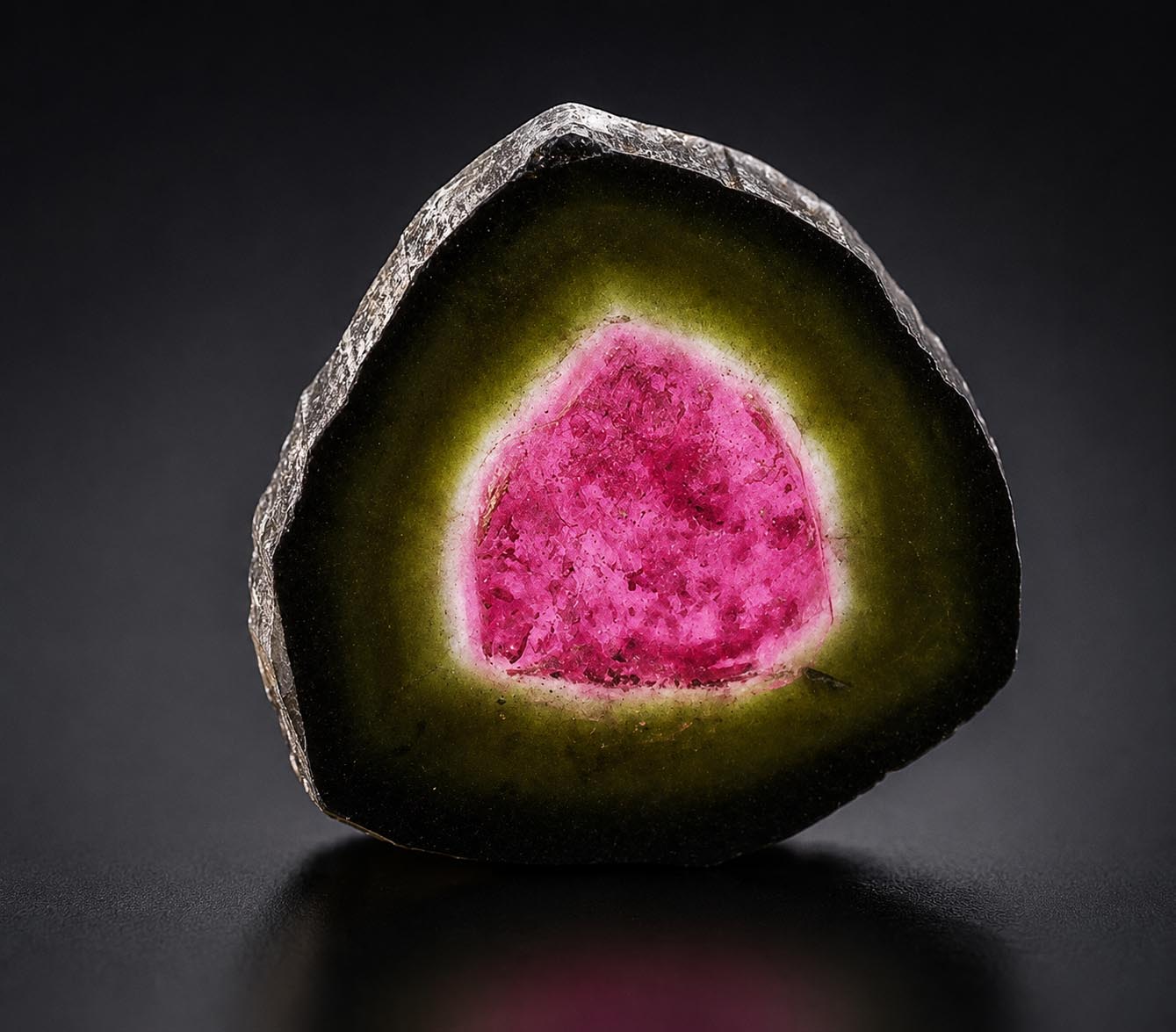
Watermelon Tourmaline is one of the most fascinating gemstones in the world.
It naturally forms with:
- Pink centre
- Green outer layer
Just like a watermelon.
How Watermelon Tourmaline Forms
As the crystal grows, the chemical environment changes. Different minerals enter the crystal structure over time, creating separate colour zones.
When cut across the crystal, the gemstone reveals multiple colours in one slice.
Why Watermelon Tourmaline Is Expensive
Collectors love watermelon tourmaline because:
- Every stone looks different
- Natural colour zoning is rare
- Large pieces are difficult to find
- Good symmetry is uncommon
The most valuable specimens show:
- Bright pink centre
- Strong green outer colour
- Clear separation between colours
- Minimal fractures
Large high-quality stones can sell for several thousand dollars.
Polychrome Tourmaline
Polychrome Tourmaline contains several colours within one crystal.
Some stones display:
- Green
- Pink
- Red
- Yellow
- Colourless zones
- Dark sections
These gems are especially popular among collectors because no two stones are identical. Madagascar is famous for producing stunning polychrome tourmalines.
What Affects Tourmaline Prices?
Like all gemstones, several factors influence value.
1. Colour
Colour is the biggest factor.
The most expensive colours include:
- Paraiba neon blue
- Fine rubellite red
- Chrome green
- Strong watermelon colour combinations
Bright saturated colours are always worth more than pale or muddy stones.
2. Clarity
Tourmaline clarity varies greatly depending on colour.
Green Tourmalines
Clean stones are relatively common.
Pink and Red Tourmalines
Inclusions are expected and accepted more often.
Dangerous Fractures
Large cracks or fissures reduce durability and value.
Small inclusions may be acceptable if the colour is exceptional.
3. Cut
Tourmaline crystals naturally grow in long prism shapes.
Because of this, cutters often choose:
- Emerald cuts
- Oval cuts
- Cushions
- Long rectangles
Some stones are cut differently to improve colour saturation rather than preserve weight.
A well-cut tourmaline should:
- Reflect light evenly
- Show strong colour
- Avoid large windows
- Maintain symmetry
4. Origin
Certain locations are highly respected in the gemstone trade.
Famous Tourmaline Origins
- Brazil
- Mozambique
- Afghanistan
- Madagascar
- Kenya
- Tanzania
- Sri Lanka
Brazil and Congo are especially famous for producing high-quality tourmalines.
Does Tourmaline Have Synthetic Versions?
One fascinating fact about tourmaline is that there are currently no widely known true synthetic tourmalines in the market.
However, there are many imitations.
Common Fake Tourmalines
- Glass
- Dyed glass
- Plastic
- Synthetic spinel
- Synthetic sapphire
Some fake watermelon tourmalines are even made using coloured glass layers.
What to Look for When Buying Tourmaline
Before purchasing tourmaline, pay attention to these factors.
Choose Colour First
With tourmaline, colour matters more than almost anything else.
A vivid slightly included stone may be worth more than a clean dull stone.
Check for Dangerous Cracks
Small inclusions are normal.
Large fractures that threaten durability are not.
Avoid stones with:
- Deep cracks
- Surface-reaching fractures
- Large weak zones
Examine the Cut
Good tourmaline should:
- Shine brightly
- Show strong colour
- Avoid looking transparent in the middle
- Have balanced proportions
Ask About Treatment
Most tourmalines are untreated or simply heated.
Always ask:
- Was the stone heated?
- Is the colour natural?
- Is there a lab report?
Tourmaline is one of the most exciting gemstones in the jewellery world. Few stones offer such an incredible range of colours, patterns, and personalities. From affordable mint greens to legendary Paraiba blues worth tens of thousands per carat, tourmaline has something for every collector and jewellery lover.
Its natural beauty, minimal treatments, and endless colour combinations make it one of the most fascinating gemstones to study and own.
Whether you love the electric glow of Paraiba, the rich reds of rubellite, or the playful colours of watermelon tourmaline, this gemstone family proves that nature can create art more beautiful than anything humans could design