
How a Tiny Speck Becomes a Fortune: The Shocking Journey of Gold From Deep Underground to Massive Gold Bars
Gold has fascinated people for thousands of years. It has fueled empires, shaped trade, sparked conflict, and built national wealth. Even today, gold remains one of the most valuable metals on Earth. It is trusted by investors, stored by central banks, and desired by industries and consumers around the world.
What makes gold even more remarkable is how rare it really is. All the gold ever mined in human history would only form a cube about 21 meters tall. Yet every year, more than 3,000 tons of gold are pulled from the ground and turned into bars, coins, jewelry, and industrial products.
So how does this precious metal go from buried rock to a polished gold bar sitting in a vault? The answer is a long, intense process that combines geology, explosives, giant machines, chemistry, heat, and strict quality control. Here is the full story of how millions of dollars worth of gold are made.
Why Gold Has Always Been So Valuable
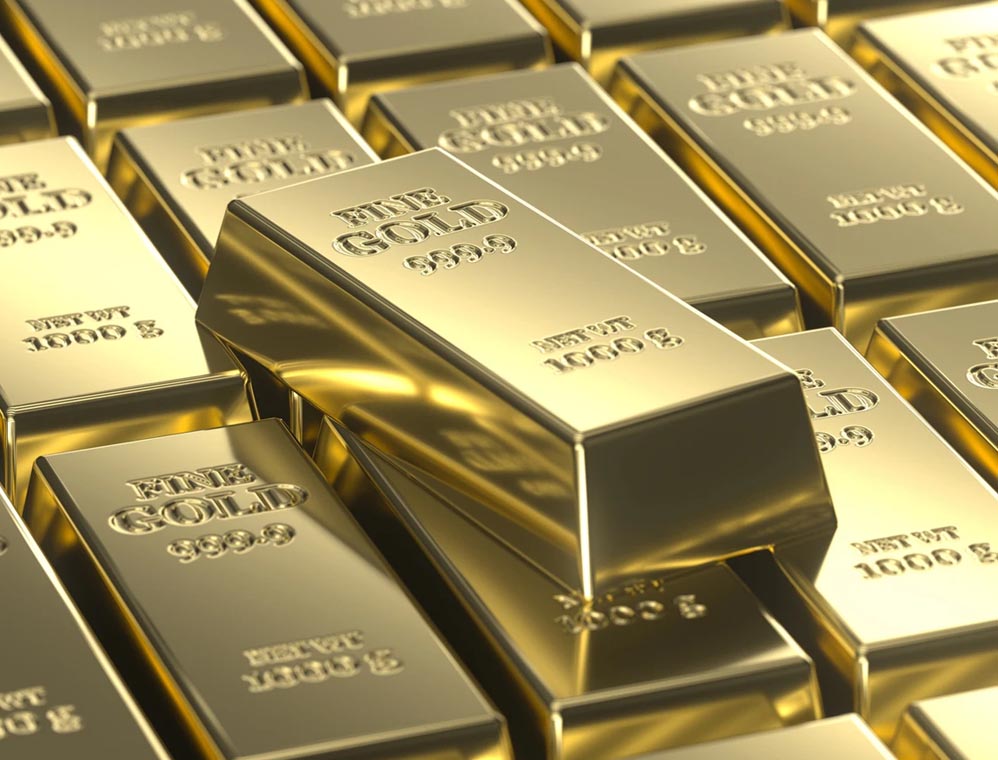
Gold is unlike almost any other metal. It is soft enough to be shaped into extremely thin sheets, yet heavy enough that a small bar can weigh more than 12 kilograms. It does not rust, it is easy to work with, and it has a bright appearance that has symbolized wealth for centuries.
These qualities made gold a natural choice for money, trade, and long-term storage of value. Even in the modern financial system, gold still holds enormous importance. It is seen as a safe asset during economic uncertainty and remains a global benchmark of wealth.
But behind every shining gold bar is a difficult and expensive production chain that starts far below the surface of the Earth.
Where the Journey Begins: Gold Mining
Before gold becomes bullion, it must first be extracted from ore. Gold usually does not sit in plain sight on the ground. It is hidden inside massive rock formations and must be recovered through large-scale mining.
There are two main ways gold is mined:
1. Open pit mining
2. Underground mining
1. Open Pit Gold Mining
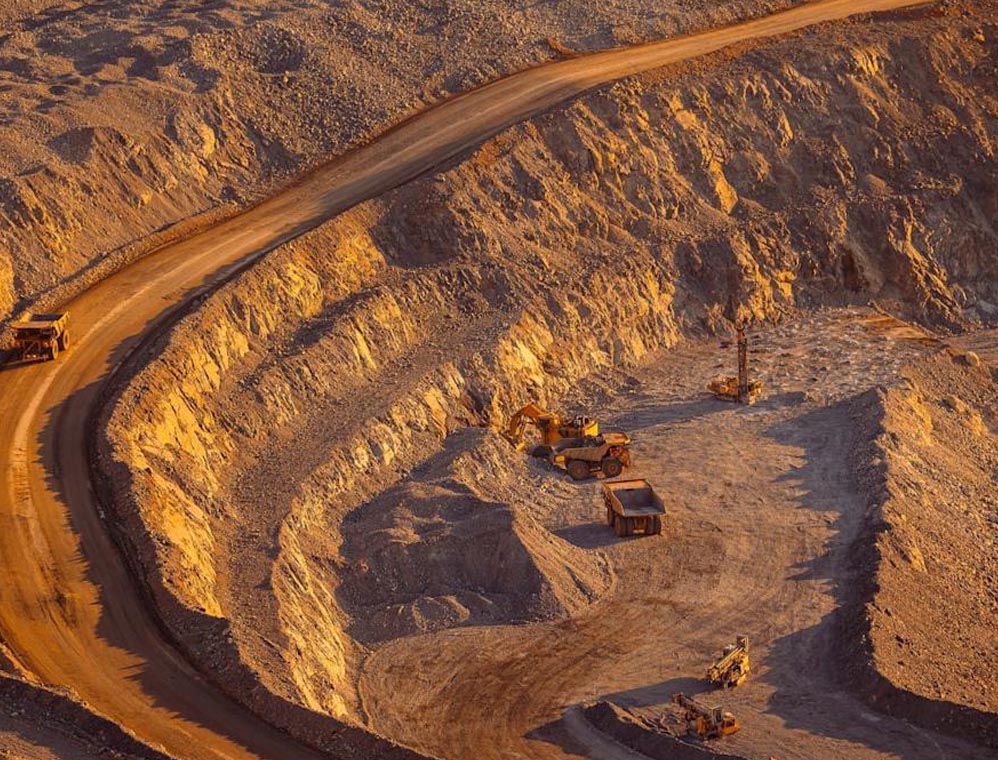
Open pit mining is the most common method used in the gold industry today. It accounts for roughly 60 to 70 percent of global gold production. In this method, miners remove everything covering the ore body, including vegetation, topsoil, and useless rock. This exposes a huge open pit that can stretch for kilometers and reach hundreds of meters deep.
At major gold mines, companies may move between 100,000 and 500,000 tons of earth and rock every single day. That gives you an idea of how much work is required just to reach gold-bearing ore.
Once the ore is exposed, the real heavy work begins. Industrial drills create deep holes in the rock. These holes are then filled with explosives and blasted in carefully planned sequences. The goal is to break the rock into manageable pieces while keeping workers, equipment, and mine structures safe.
After blasting, giant excavators scoop up the broken rock and load it onto enormous haul trucks. Some of these trucks can carry 200 to 400 tons of material in a single trip. The ore is then transported to the processing plant where the gold can finally begin to be separated from the rock.
2. Underground Gold Mining
Not all gold deposits can be reached from the surface. When the gold lies deep underground, mining companies must switch to underground mining, which is more complex, more dangerous, and usually more expensive. Underground mines can reach depths of hundreds or even thousands of meters. Workers operate in dark, tight spaces under high pressure and high temperatures. In some deep mines, temperatures can rise above 40 degrees Celsius.
The process begins with geological exploration. Mining teams use core drilling, seismic surveys, and 3D models to locate the ore body and measure its thickness and gold content. Based on that information, engineers build access tunnels and side passages that lead to the gold-bearing rock.
At the ore zone, hydraulic drilling rigs create holes for explosives. Controlled blasting then breaks apart the rock. Specialized underground loaders and trucks carry the broken ore through tunnel systems to the surface or to underground transfer points. Because the work is done in confined spaces, mines need constant ventilation, drainage, lighting, and support systems. The risks include tunnel collapse, flooding, and toxic gases, so underground gold mining requires advanced technology and highly trained workers.
Still, it remains profitable because some deep deposits contain valuable grades of gold, even if the ore holds only a few grams per ton.
Crushing the Rock to Find Tiny Gold Particles
Once the ore reaches the processing plant, the next goal is simple in theory but difficult in practice: separate tiny gold particles from tons of ordinary rock.
The first step is crushing. Large rocks are fed into primary crushers that break them into smaller fragments. These pieces move through secondary crushers and grinding mills until the ore becomes fine enough for gold recovery.
This is important because gold particles are often extremely small. In many mines, the average ore grade is only 1 to 5 grams of gold per ton of rock. That means huge amounts of material must be processed to recover a relatively small amount of metal.
After grinding, the crushed ore passes over vibrating screens. Material that is still too large is sent back for further crushing, while correctly sized particles move on to chemical treatment.
How Gold Is Separated From the Ore
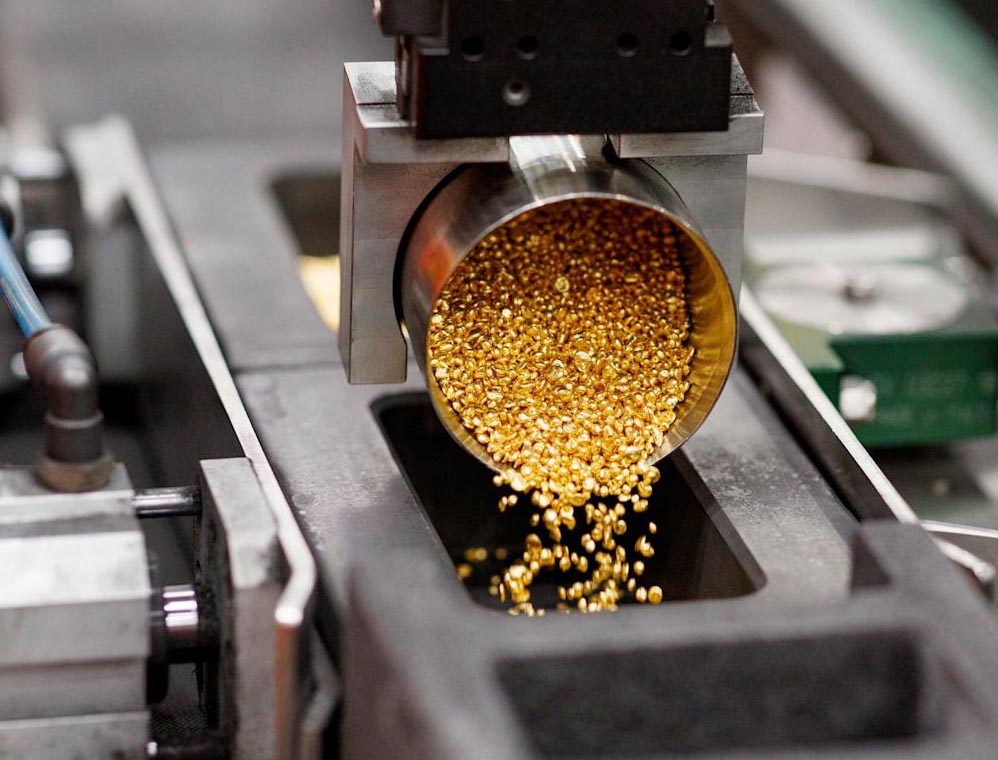
At this stage, the ore is mixed with water and moved into large tanks. Here, chemicals are used to dissolve the gold from the surrounding rock.
One of the most common methods is cyanidation. In this process, cyanide solution helps separate gold from the ore. The gold dissolves into the liquid and can then be recovered through filtration and additional treatment steps.
This is the moment when the hidden value of the rock finally becomes visible. What looked like ordinary crushed stone begins to yield one of the world’s most valuable metals.
However, the recovered material is still not pure gold. It contains impurities and must go through further refining before it can be turned into bars.
Refining Gold Into High Purity Metal
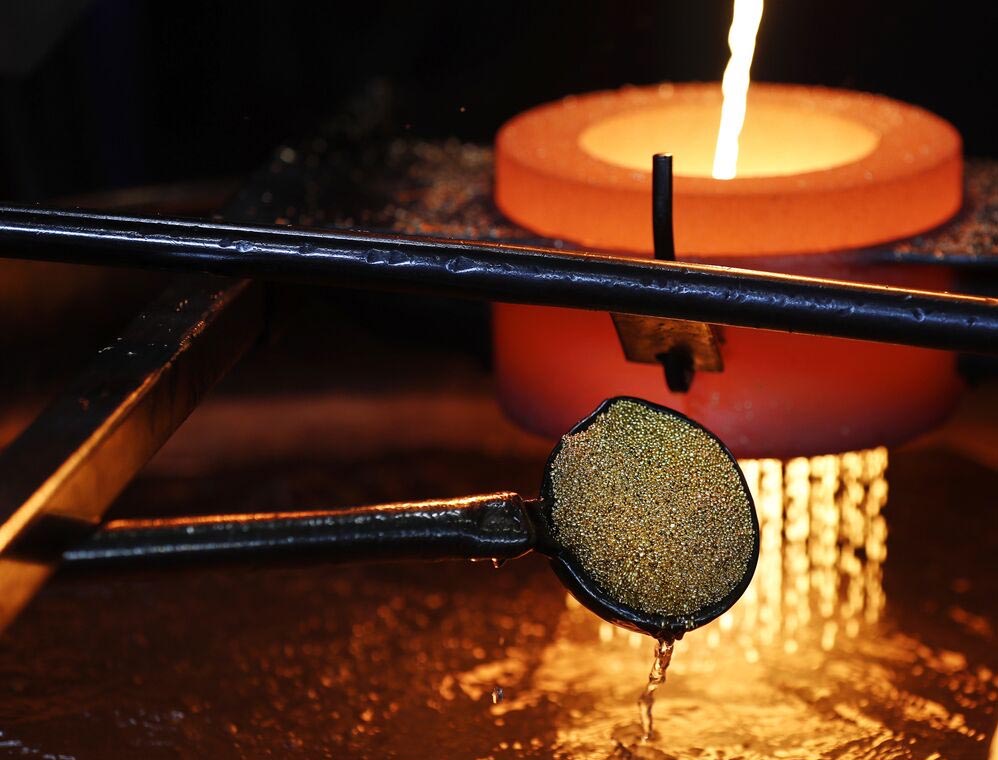
After extraction, the gold-bearing material enters the refining stage. This is where contaminants are removed, and the metal reaches the purity required for global markets.
Modern refineries use advanced systems to reduce impurities to extremely low levels. Once the metal is purified, it is ready for melting and casting.
This stage is critical because international buyers, investors, and financial institutions require strict standards for purity, weight, and consistency. A gold bar is not just a chunk of metal. It is a certified asset.
Melting and Casting: How Gold Bars Are Formed
Once refined, the gold is transferred to a furnace and heated until it becomes a glowing liquid. Gold melts at temperatures above 1,064 degrees Celsius.
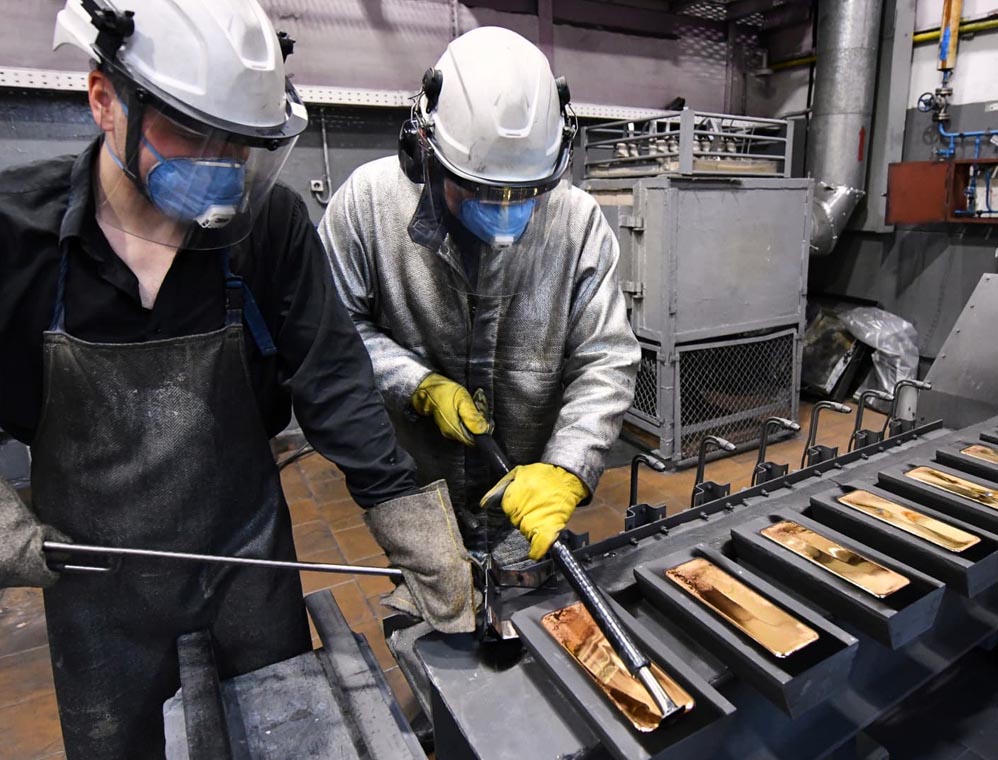
In some operations, skilled metallurgists pour the molten gold by hand using heat-resistant tools. In modern facilities, the entire process is usually automated for maximum precision.
The liquid gold is poured into molds in a steady flow. This must be done carefully because any interruption can create air pockets, uneven surfaces, or internal defects in the bar.
As the mold fills, the gold spreads and begins to take shape. It then moves into the cooling stage, where forced air, cooling surfaces, or fine water mist help the bar solidify quickly while maintaining a stable internal structure.
After cooling, the bars are removed from the molds. At this point, they already look impressive, but they are not yet ready for the market.
Final Inspection Before Gold Enters the Global Market
Every gold bar must pass strict checks before it can enter circulation. These tests include:
- Weight measurement
- Purity analysis
- Surface inspection
- Structural examination
- Official stamping and certification
Only bars that meet international standards are accepted into the financial system. Once approved, they can become reserve assets, investment products, or tradeable bullion.
This final inspection is what turns a newly cast bar into a trusted global asset.
Gold Does Not Only Become Large Bars
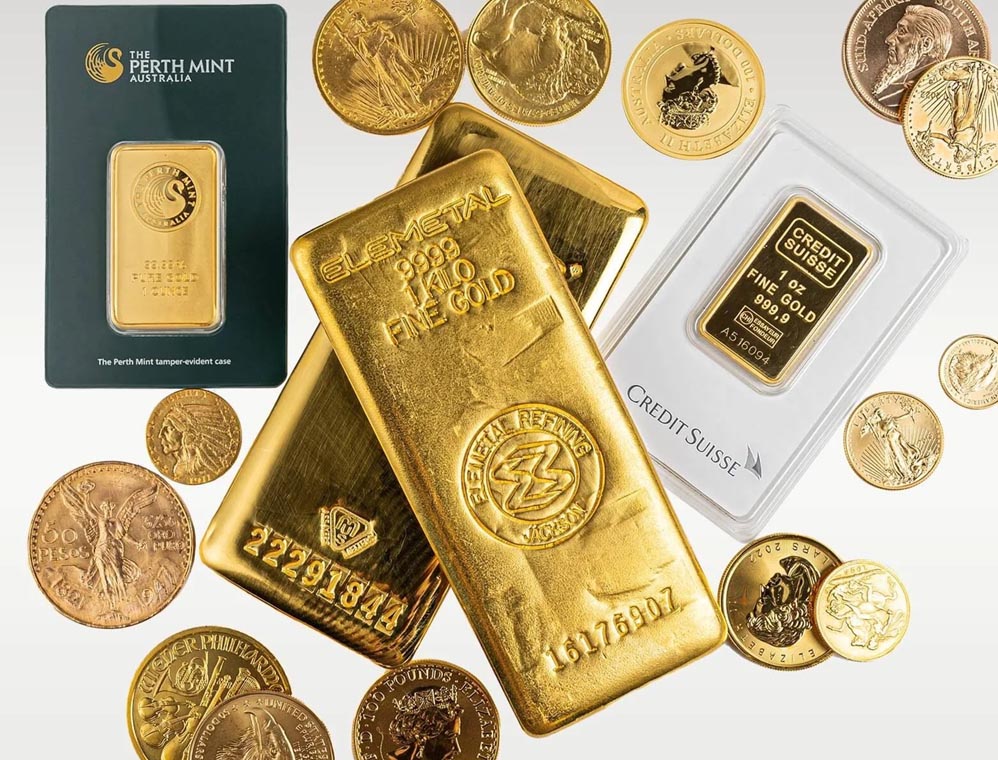
Refined gold is not always kept in the form of large bullion bars. It can also be transformed into many other products depending on market demand.
These include:
- Mini gold bars
- Minted gold ingots
- Thin industrial gold sheets
- Gold wire for jewelry
- Semi-finished components for manufacturing
Because gold is highly malleable, it can be rolled into very thin sheets or drawn into wires without losing its essential value. This flexibility is one reason gold is used in both investment and industry.
The Hidden Cost of Gold Mining
Gold may symbolize wealth and beauty, but its production comes with serious environmental and social costs.
Illegal and informal gold mining is still widespread in parts of Africa, South America, and Southeast Asia. It is estimated to account for about 15 to 20 percent of global gold supply. In many of these operations, miners use simple tools and dangerous chemicals such as mercury to separate gold from sediment.
This creates major problems, including:
1. Deforestation
2. Water pollution
3. Damage to ecosystems
4. Serious health risks for miners and nearby communities
At the same time, millions of people depend on small-scale gold mining for survival. That is what makes gold such a complicated resource. It is not just a metal. It sits at the intersection of wealth, poverty, technology, and environmental damage.
Why Gold Still Rules the World
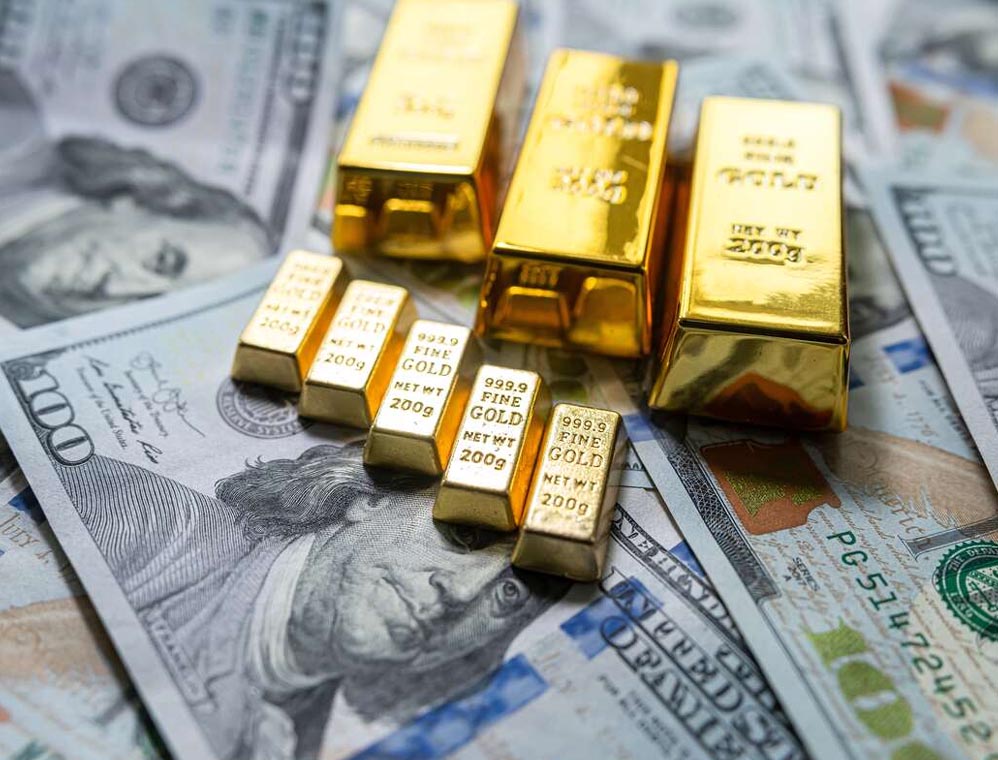
Despite modern digital finance, gold continues to hold extraordinary power. It is still viewed as a safe store of value, especially in times of inflation, war, or economic instability. What makes gold so enduring is the combination of rarity, beauty, durability, and universal trust. Unlike paper money, it cannot be printed. Unlike many industrial materials, it carries both emotional and financial value.
That is why the journey from underground rock to a polished gold bar matters so much. Every bar represents far more than molten metal in a mold. It reflects geological history, human labor, advanced engineering, industrial chemistry, and the global systems that give gold its unmatched status.
The next time you see a gold bar in a vault, on a screen, or in an investment ad, remember what it took to create it. That single bar may have started as barely visible particles trapped inside tons of rock deep underground. It may have passed through explosions, crushing plants, chemical tanks, furnaces, and inspection rooms before reaching its final form.
Gold may look clean and simple in the end, but the process behind it is anything but simple. It is one of the most intense manufacturing journeys in the modern world, and that is exactly why gold remains one of the most powerful metals ever discovered.