
The Dark Truth of the Koh-i-Noor Diamond: Stolen Treasure, Royal Curse, and the Fight to Get It Back
The Koh-i-Noor diamond is not just a beautiful gem. It is one of the most controversial and mysterious objects in the world. Known as the “Mountain of Light,” this famous diamond has passed through empires, sparked wars, and left behind a trail of power, betrayal, and debate that still continues today.
From ancient legends in India to the British Crown Jewels, the story of the Koh-i-Noor is anything but simple. It is a tale filled with mystery, politics, and unanswered questions.
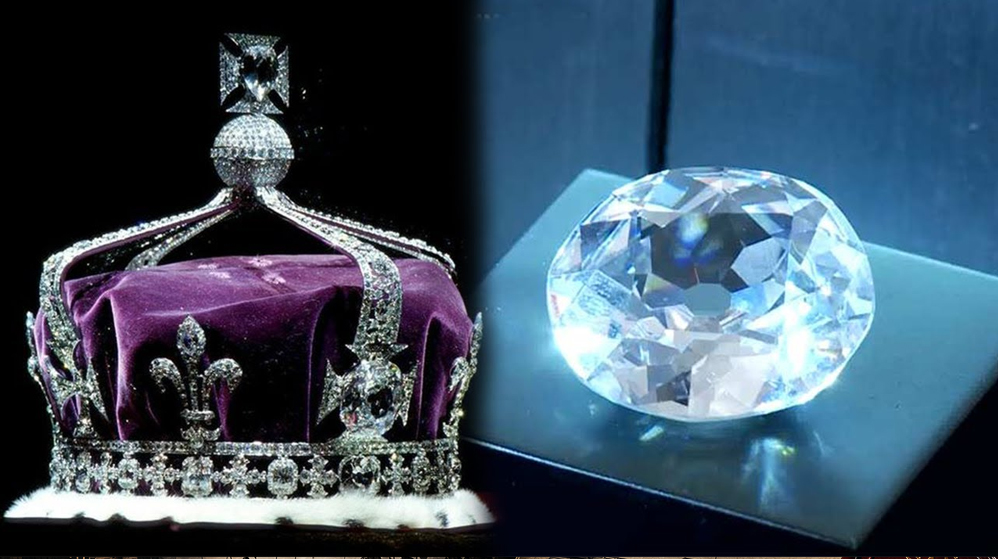
What Is the Koh-i-Noor Diamond?
The Koh-i-Noor is one of the most famous diamonds ever discovered. Its name comes from Persian and means “Mountain of Light.” Today, it sits in the British Crown Jewels, kept in the Tower of London. But its journey to Britain is where things get complicated.
The Mysterious Origins of the Koh-i-Noor
No one knows exactly when the Koh-i-Noor was first discovered. Most historians agree that it came from India, which was the main source of diamonds before the 18th century.
There are also ancient legends linked to the stone. One story connects it to a mythical gem called the Syamantaka jewel, said to bring both wealth and destruction. While there is no solid proof, these stories helped build the diamond’s reputation as something powerful and dangerous.
The Diamond That Passed Through Empires
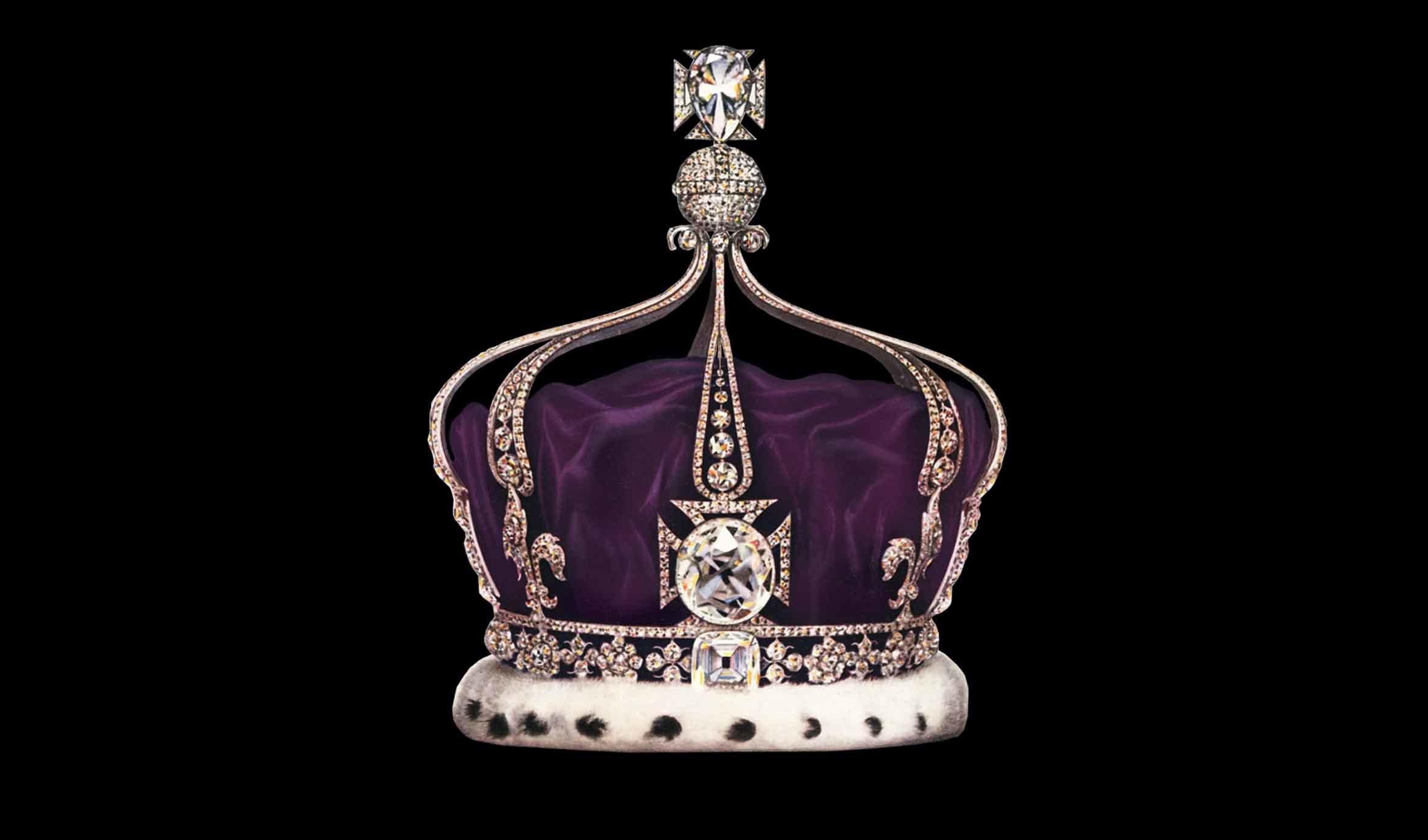
The Koh-i-Noor did not stay in one place for long. It moved between rulers and kingdoms for centuries.
Here is a simplified timeline of its journey:
- Mughal Empire (India): The diamond was likely owned by Mughal rulers and may have been part of the famous Peacock Throne.
- Persia (Iran): In 1739, Persian ruler Nadir Shah invaded India and took the diamond. He is believed to have given it the name Koh-i-Noor.
- Afghanistan: After Nadir Shah’s death, the diamond passed to Afghan rulers.
- Sikh Empire (Punjab): It was later owned by Maharaja Ranjit Singh, who wore it proudly during his reign.
- British Empire: After the British defeated the Sikh Empire, the diamond was handed over to Queen Victoria in 1849.
Each transfer of the diamond often came with conflict, war, or political pressure.
Was the Koh-i-Noor Stolen?
This is the question that still causes global debate. The diamond was taken from Maharaja Duleep Singh, who was just 11 years old at the time. After the British took control of Punjab, he was forced to sign a treaty that included handing over the Koh-i-Noor.
Many historians believe this was not a fair exchange. The young ruler had little choice, and the British East India Company used its power to claim the diamond. Even at the time, some people questioned whether it was right.
The Controversial Recut That Changed Everything
When the Koh-i-Noor arrived in Britain, it did not impress everyone. Its traditional Indian cut focused on size rather than sparkle.
Prince Albert, Queen Victoria’s husband, decided to change that.
In 1852, the diamond was recut to improve its brilliance. But this came at a cost:
- It lost about 43 percent of its original weight
- It was reduced from 191 carats to around 105 carats
- Its original historic shape was permanently altered
Many people today believe this was a mistake, as it erased part of the diamond’s history.
The So Called Curse of the Koh-i-Noor
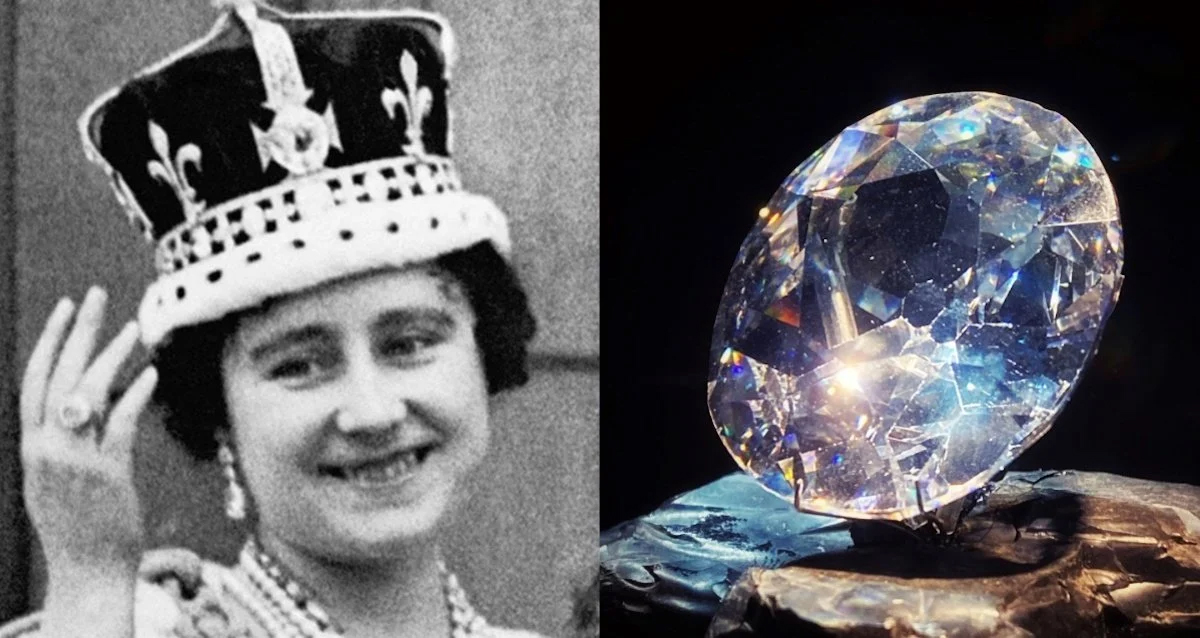
You may have heard that the Koh-i-Noor is cursed. According to popular belief:
- Any man who wears it will suffer bad luck
- Only women can safely own it
However, this “curse” likely started in the 1800s after the diamond reached Britain. There is no real evidence that it existed before then.
Still, the stories persist, adding to the diamond’s mystery.
Where Is the Koh-i-Noor Today?
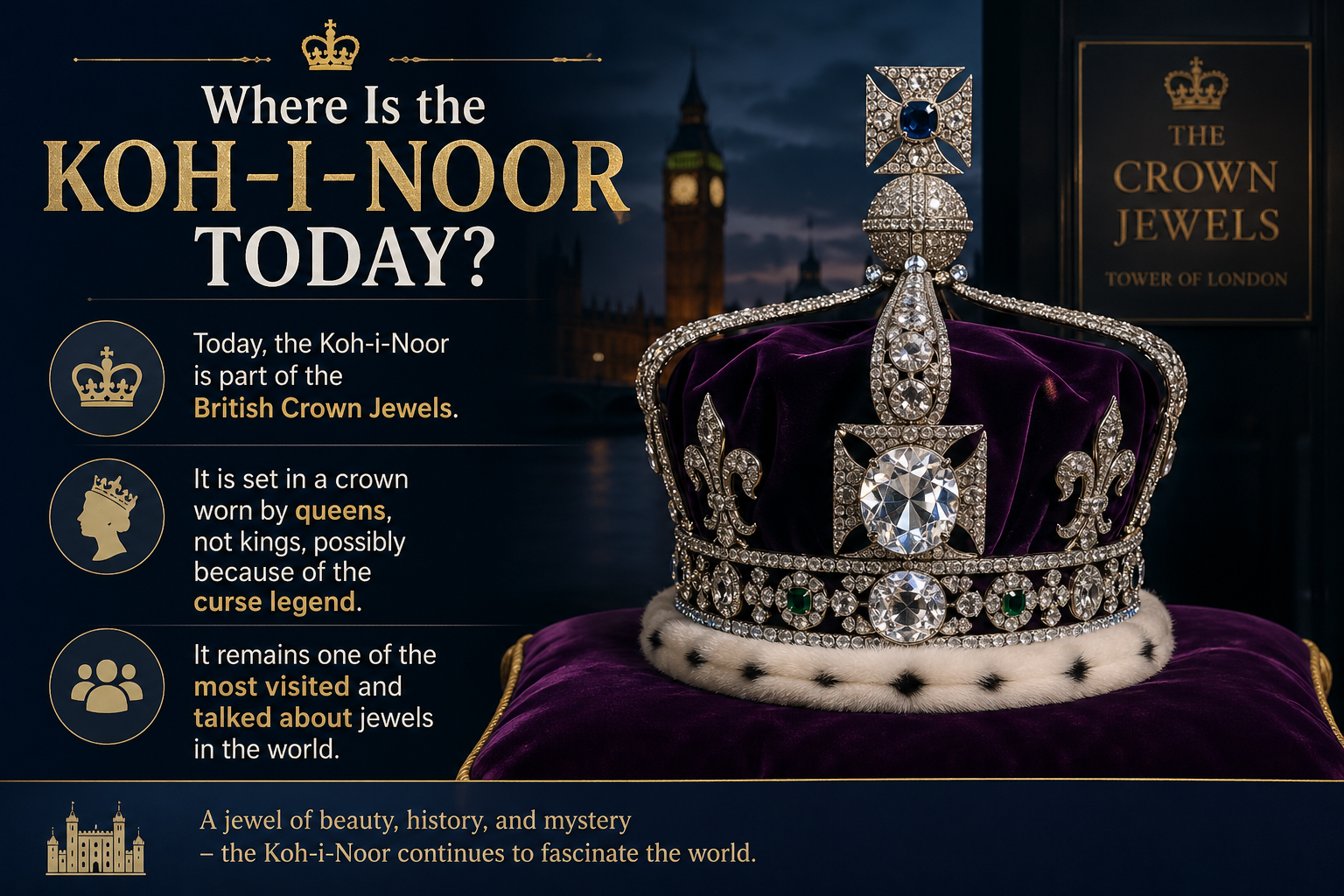
Today, the Koh-i-Noor is part of the British Crown Jewels. It is set in a crown worn by queens, not kings, possibly because of the curse legend. It remains one of the most visited and talked about jewels in the world.
Why Does India Want the Koh-i-Noor Back?
India has been asking for the return of the Koh-i-Noor for decades. The reasons are clear:
- It originated in India
- It was taken during colonial rule
- It holds deep cultural and historical value
But India is not the only country with a claim.
Other nations that have shown interest include:
- Pakistan: Because the diamond was taken from Lahore
- Afghanistan: Due to its long history there
- Iran: Linked to Nadir Shah’s ownership
The United Kingdom has refused to return the diamond, arguing that its ownership is legally settled and too complex to reverse.
Why the Koh-i-Noor Still Sparks Debate Today
The Koh-i-Noor is more than just a diamond. It represents:
- Colonial history
- Cultural identity
- Power and ownership
For many, it is a symbol of injustice. For others, it is part of British heritage.
Even today, discussions about who truly owns the Koh-i-Noor continue around the world.
The Koh-i-Noor diamond is not just famous because of its size or beauty. It is famous because of its story.
A story filled with:
- Kings and empires
- War and conquest
- Controversy and debate
Whether it stays in the UK or is returned one day, one thing is certain. The Koh-i-Noor will always be one of the most fascinating and disputed treasures in human history.
What do you think? Should the Koh-i-Noor be returned to India or remain in Britain?