
The Sapphire Secret Rich Investors Don’t Tell You (Until Now)
Sapphires have always carried a certain mystique. Deep, royal, and timeless, they are more than just beautiful stones. For many, they are also a serious investment. But buying a sapphire is not as simple as picking the prettiest one in the display case. If you want real value, there are a few insider details you need to understand first.
Most people are familiar with the famous four Cs used when buying diamonds: color, cut, clarity, and carat weight. These still matter with sapphires. But here is where things get interesting. Sapphires play by slightly different rules, and knowing them can make a huge difference in both beauty and value.
Why Blue Sapphires Still Rule the Market
Sapphires come in a wide range of colors. You will find pink, yellow, green, grey, and even rare salmon tones. While all of these can be stunning, blue sapphires remain the gold standard for investment.
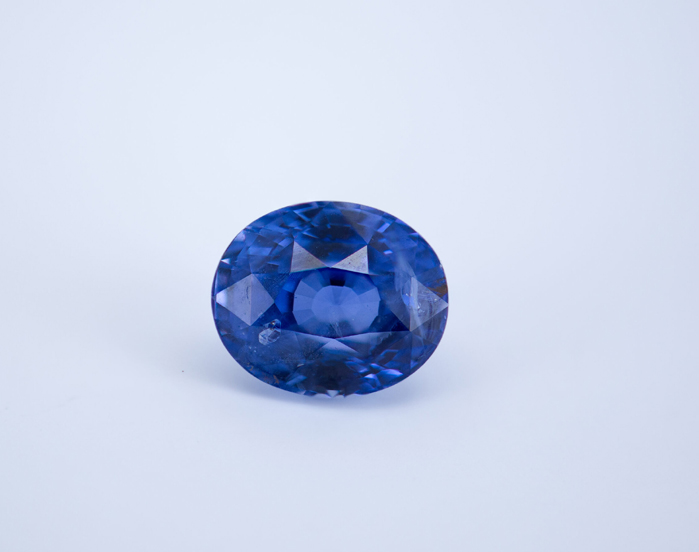
The most desirable shade is a rich royal blue. Not too dark, not too light. A sapphire that looks almost black in low light loses its appeal and value. The sweet spot is a vibrant, deep blue that still reflects light beautifully.
What to Look for in Clarity
Unlike emeralds, sapphires are generally clean stones. Small natural inclusions are normal and can even add character. However, there are clear red flags you should avoid:
- Large black spots
- Visible cracks or fractures
- Bubble-like inclusions
A high quality sapphire should look clean to the naked eye.
The Hidden Factor That Changes Everything: Origin

Here is where many buyers go wrong. The origin of a sapphire can dramatically impact its value.
Sapphires are mined in several countries, including:
- Sri Lanka
- Madagascar
- Australia
- Thailand
- Burma (Myanmar)
- Parts of Africa
But one location stands above all others.
Kashmir sapphires are the rarest and most valuable in the world.
These stones are incredibly scarce and command extremely high prices. In fact, top quality Kashmir sapphires have sold for over $140,000 per carat at auction.
If you are investing at this level, proof is everything.
Always Demand Certification
Never rely on a seller’s word when it comes to origin or quality. Trusted gem laboratories are the only reliable source of truth.
Look for certificates from:
- GIA (Gemological Institute of America)
- AGL (American Gem Laboratory)
- SSEF
- Gübelin Laboratory
For high value stones, serious buyers often require two or even three certificates.
Heat Treatment: The Deal Breaker You Might Miss
Most sapphires on the market have been heat treated to improve their color and clarity. This is common, but it affects value.
Untreated sapphires are much rarer and more desirable, especially for collectors and investors.
Before buying, always check:
- Has the sapphire been heat treated?
- Is the treatment clearly stated on the certificate?
A natural, untreated sapphire with strong color can command significantly higher prices.
A Rare Gem You Should Know About
There is one sapphire variety that deserves special mention: the Padparadscha sapphire.
This rare stone has a unique pink-orange, almost salmon color, often compared to a lotus flower. The finest examples come from Sri Lanka and are highly prized.
But be careful. Without proper certification, many stones are incorrectly labeled as Padparadscha. If the certificate does not confirm it, walk away.
How Much Should You Expect to Pay?
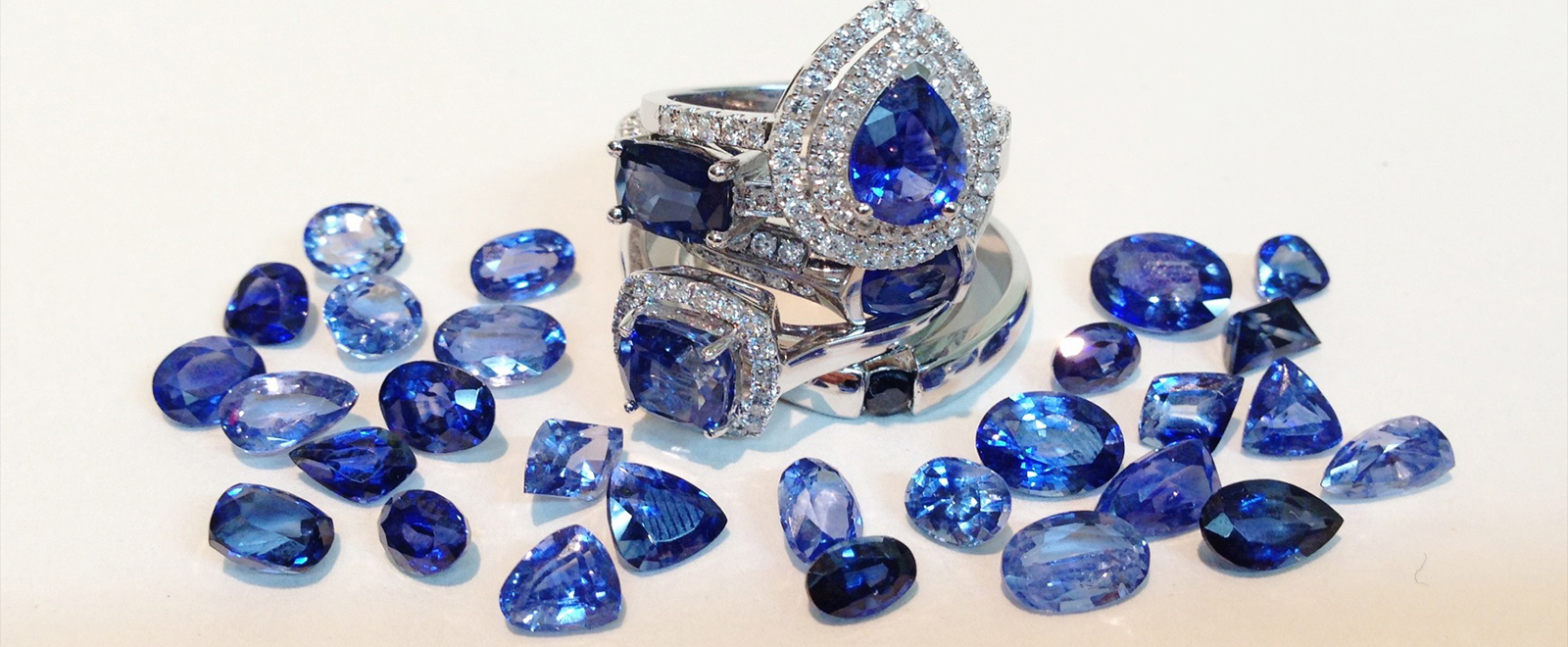
Sapphire prices vary widely depending on quality, origin, and treatment.
- Entry level stones can start around $100 per carat
- Fine quality sapphires can reach tens of thousands per carat
- Rare Kashmir stones can exceed $100,000 per carat
The gap is huge, which is why knowledge is your best investment tool.
Buying a sapphire is both an emotional and financial decision. The beauty draws you in, but the details determine whether you are making a smart purchase.
Focus on rich blue color, clean appearance, verified origin, and minimal treatment. And never skip certification. When you get all of these right, you are not just buying a gemstone. You are owning a piece of rarity that can hold its value for generations.