
The Secret to Buying a Ruby That Could Be Worth Millions (Most People Get This Wrong)
If you are thinking about buying or investing in a ruby, you are stepping into one of the most fascinating corners of the gemstone world. Rubies are not just beautiful, they can be incredibly valuable. But here is the truth most buyers do not realize: not all rubies are created equal, and one wrong decision can cost you a fortune.
Let’s break down what really matters when choosing a ruby, in plain and simple terms.
Why Color Matters More Than Anything
When it comes to rubies, color is everything. Forget what you may have heard about diamonds and their famous four Cs. With rubies, the order changes. The first thing you should look at is the color.
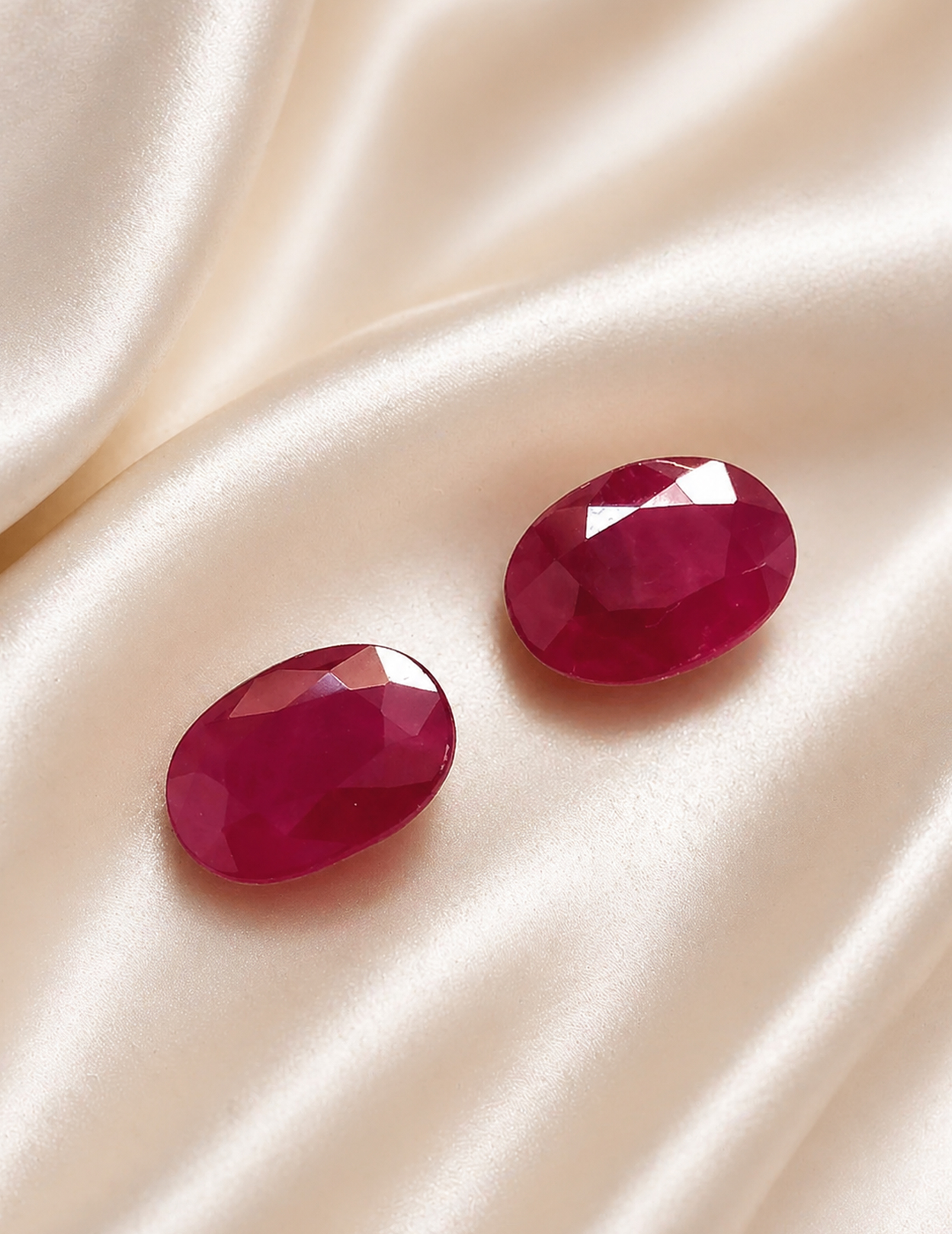
A high-quality ruby should have a bright, vivid red. Think of a traffic light glowing red, that is the kind of color you want. If the stone looks too pale or washed out, it loses value. If it is too dark, almost like a garnet, it also becomes less desirable.
What to look for:
1. Bright, rich red tone
2. Not too dark or too light
3. Even color across the stone
The Best Shapes That Hold Their Value
Cut is important, but shape plays a bigger role when it comes to resale and demand.
If you are investing serious money, certain shapes are considered safer choices.
Most popular ruby shapes:
- Oval
- Cushion
- Emerald (beautiful but harder to resell)
These shapes tend to attract more buyers and hold their value better over time.
The Origin Can Change Everything
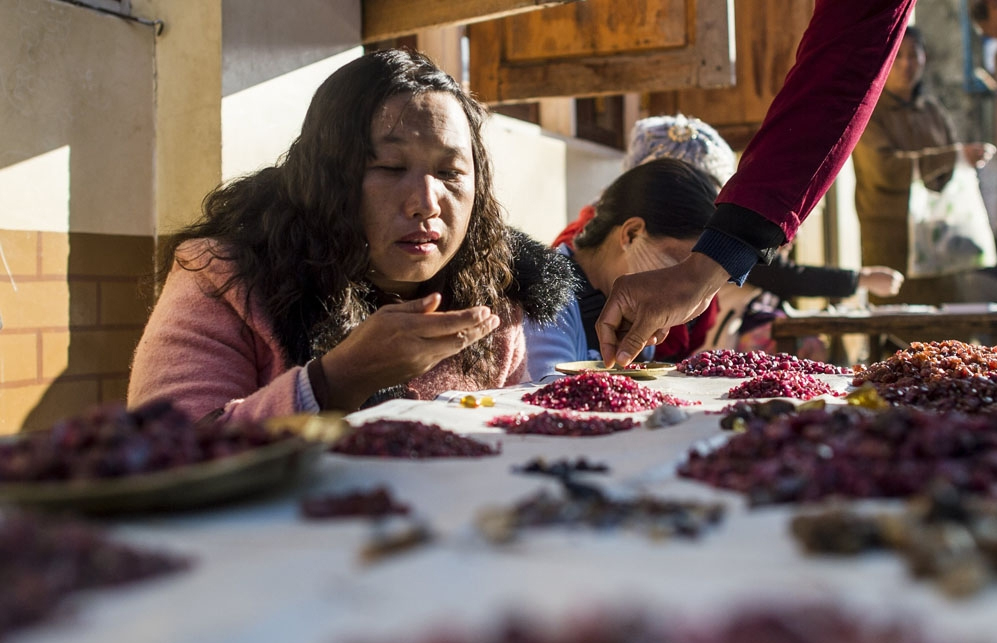
Where a ruby comes from can dramatically affect its price.
The most prized rubies in the world come from Burma, now known as Myanmar. These stones are known for their exceptional color and rarity.
Rubies are also mined in places like:
- Thailand
- Tanzania
- Mozambique
But if you are aiming for top-tier investment quality, Burmese rubies are the gold standard.
Natural vs Treated Rubies: A Critical Difference
Here is where many buyers make a costly mistake.
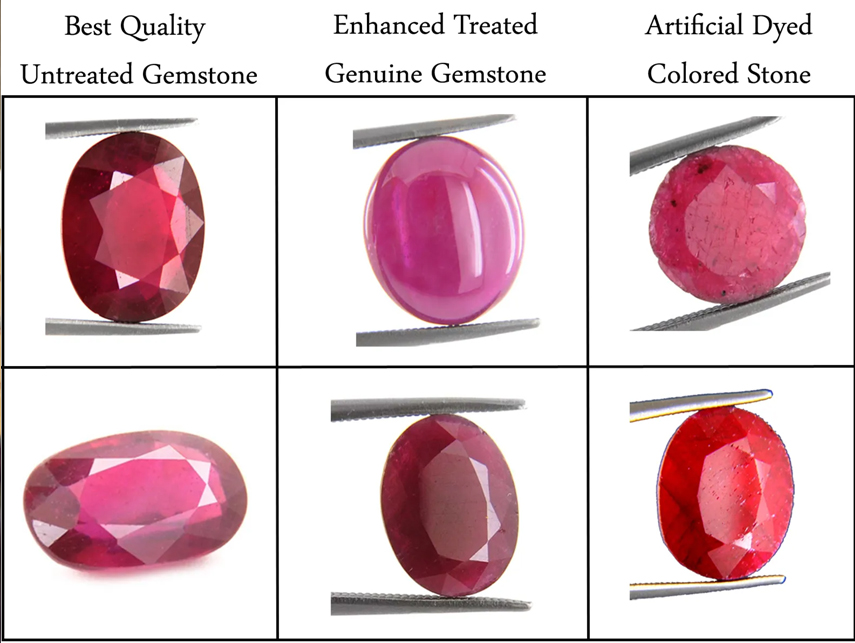
Most rubies on the market are heat-treated to improve their appearance. While they can still look beautiful, they are far less valuable than natural, untreated stones.
If you are spending serious money, you want a ruby with no heat treatment.
Always check for certification from trusted labs such as:
- GIA (Gemological Institute of America)
- AGL (American Gemological Laboratories)
- SSEF (Switzerland)
For high-value purchases, having two certificates is even better. It confirms both origin and that the stone is untreated.
How Much Are Rubies Really Worth?
Ruby prices can vary wildly depending on quality.
For example:
- A top-quality 8 carat Burmese ruby can sell for over $250,000 per carat
- Auction records have reached even higher prices
- A large treated ruby may still be valuable, but significantly less than an untreated one
Size matters, but quality matters more. A smaller, vivid red, untreated ruby can easily be worth more than a larger, treated one.
Clarity: Important, But Not Everything
Unlike diamonds, rubies often contain natural inclusions. That is normal.
However, the cleaner the stone looks to the naked eye, the more valuable it becomes.
Quick tip:
- Eye-clean stones are highly prized
- Visible flaws reduce value
Still, clarity is not the top priority. Color and origin come first.
Buying a ruby is not just about beauty, it is about making a smart and informed decision.
If you remember only a few things, make it these:
- Focus on a vivid red color
- Choose trusted origins like Burma
- Avoid heat-treated stones for investment
- Always ask for certification
A great ruby is rare, timeless, and can be a powerful investment. Take your time, ask questions, and choose wisely.