
What Is Jade? The Complete Beginner’s Guide to Jadeite, Nephrite, Treatments, and Value
Jade is one of the most mysterious and valuable gemstones in the world. For thousands of years, it has been treasured in Asia for its beauty, cultural importance, and durability. But many people are surprised to learn that “jade” is not just one stone.
In gemology, there are only two true types of jade:
- Jadeite
- Nephrite
Understanding the difference between them is extremely important if you plan to buy jade jewellery or collect jade gemstones. Many stones sold as jade are actually imitations or heavily treated materials.
This guide explains everything beginners need to know about jade in simple English.
What Is Jade?
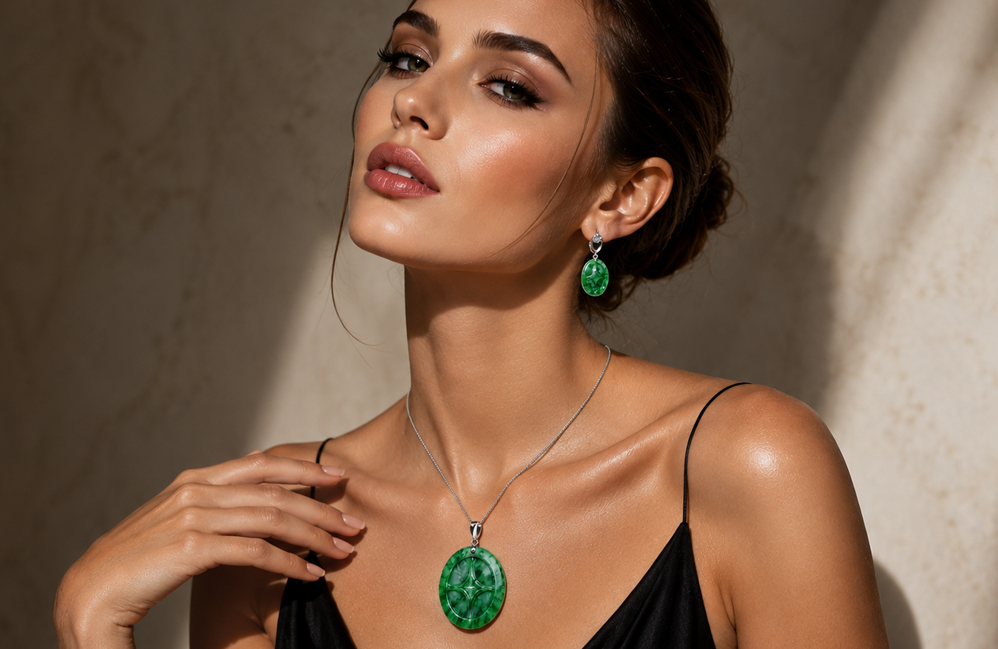
Jade is a gemstone known for its smooth texture, toughness, and beautiful glowing appearance. It has been used for thousands of years in jewellery, carvings, religious objects, and ceremonial items.
Although many green stones are called jade in the market, only two minerals are considered real jade scientifically:
- Nephrite
- Jadeite
Both are different minerals with different appearances, values, and histories.
What Is Nephrite Jade?
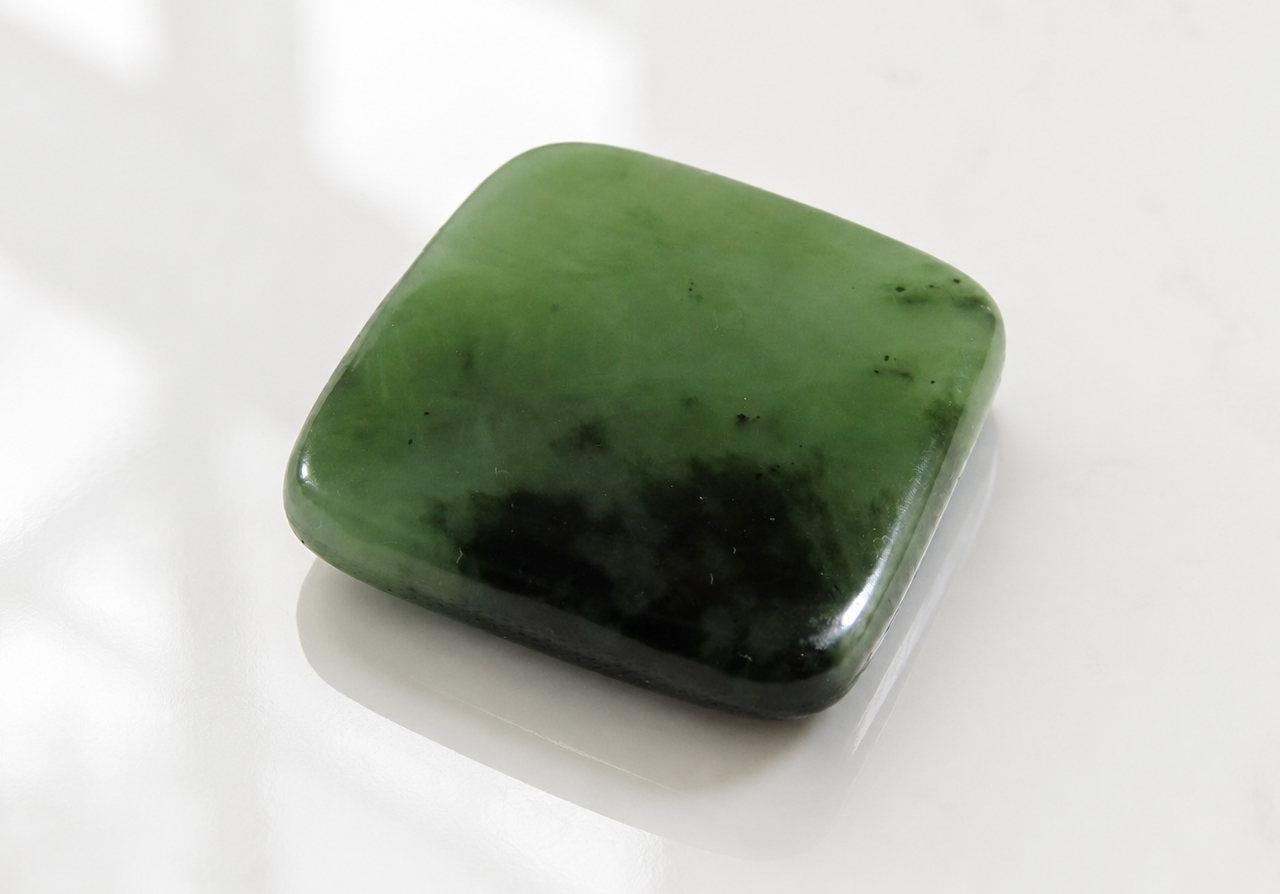
Nephrite is the ancient jade of China and has been used for more than 5,000 years.
Ancient Chinese civilizations used nephrite to make:
- Weapons
- Tools
- Religious carvings
- Royal artifacts
- Burial objects
Nephrite became deeply connected to Chinese culture, status, and spirituality.
Where Is Nephrite Found?
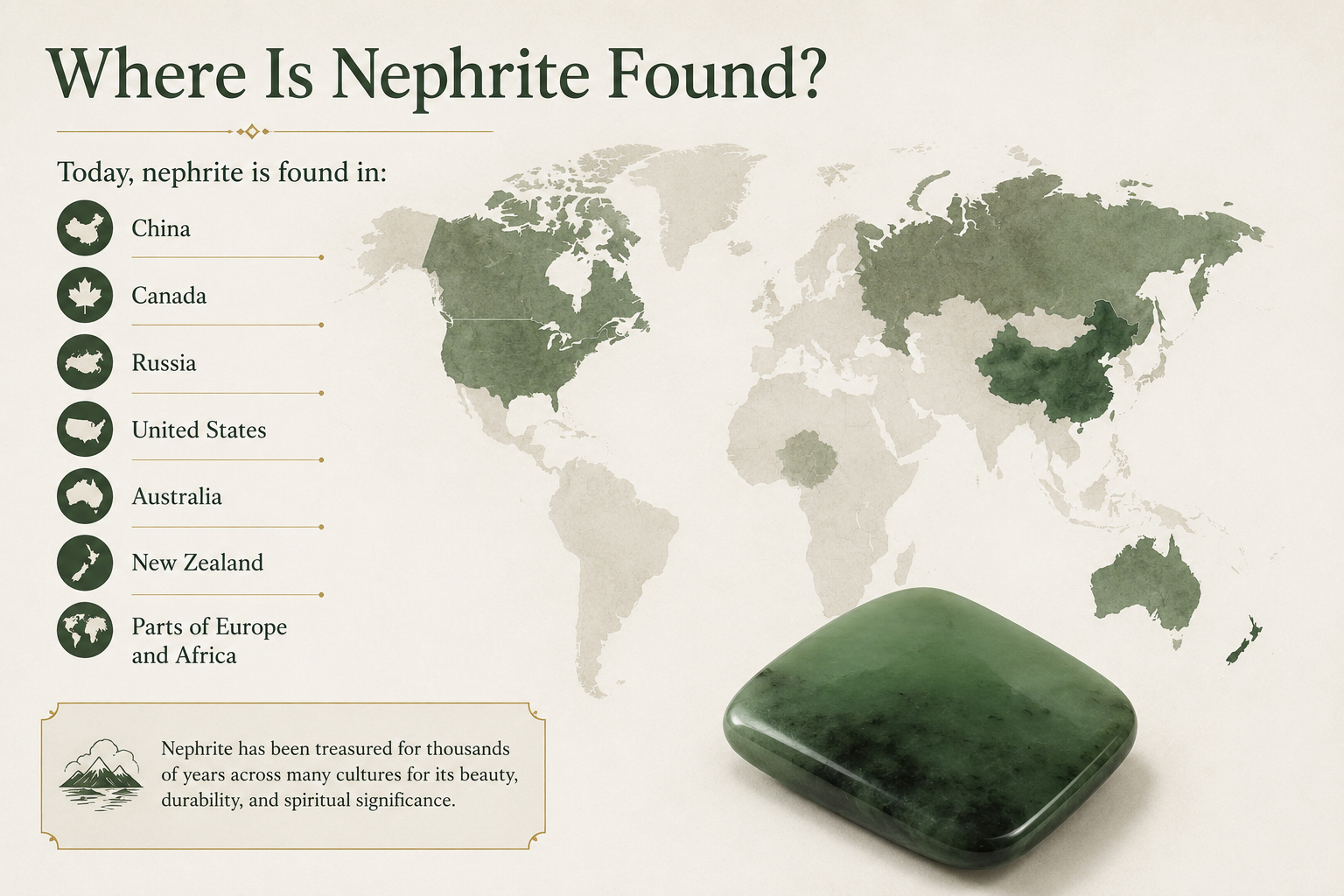
Today, nephrite is found in:
- China
- Canada
- Russia
- United States
- Australia
- New Zealand
- Parts of Europe and Africa
Why Is Nephrite Special?
Nephrite is famous for its incredible toughness. It is one of the toughest gemstones in the world, meaning it resists breaking very well.
Because of this durability, ancient people used it to create tools and weapons.
Nephrite Appearance
Nephrite usually has:
- Softer colours
- Lower translucency
- A smooth waxy appearance
It does not usually show the strong glowing effect seen in fine jadeite.
Nephrite Value
Most nephrite jewellery is affordable, but high-quality pieces can still be valuable.
For example:
- Simple nephrite jewellery may cost under $100
Better-quality bangles can sell for several thousand dollars
What Is Jadeite?
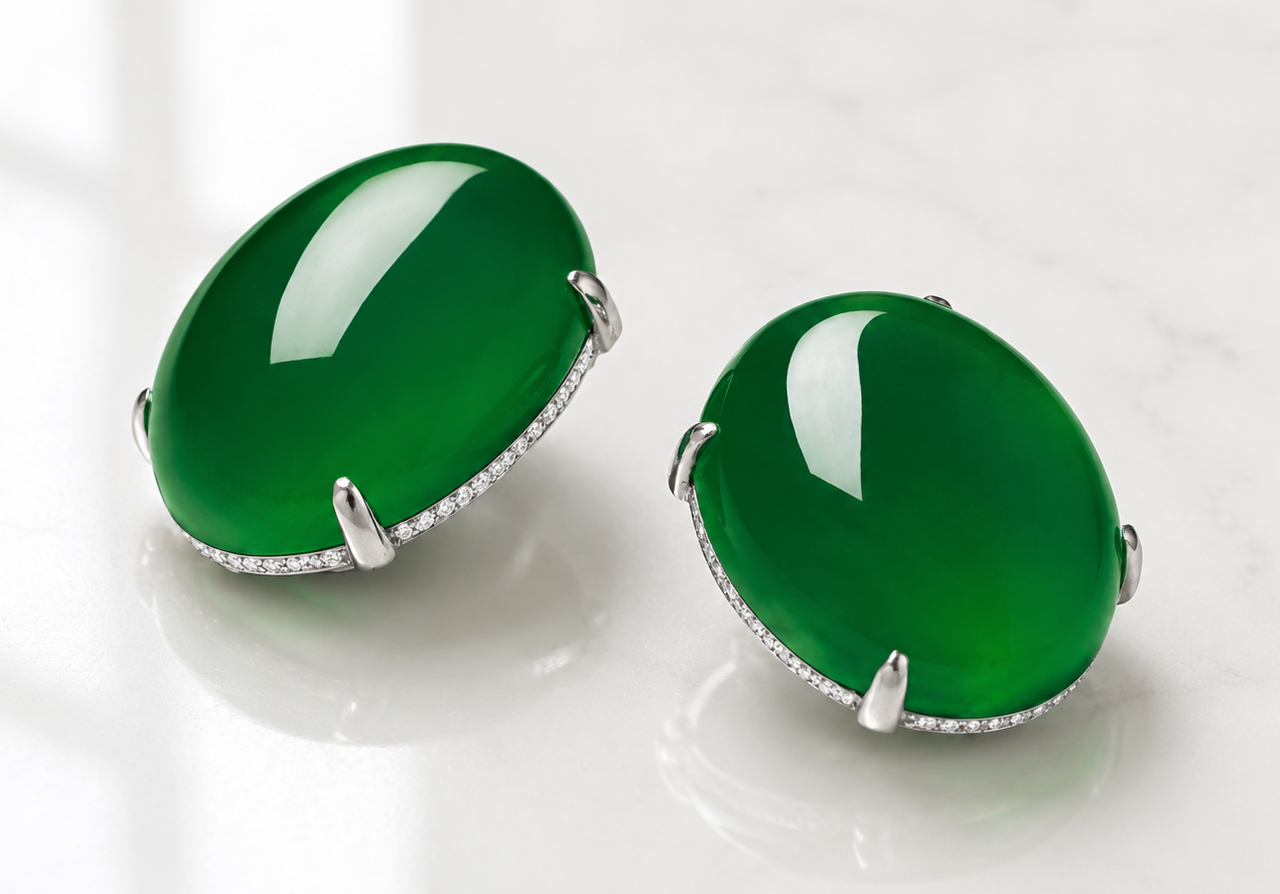
Jadeite is the rarer and more valuable form of jade commonly seen in fine jewellery. China only discovered jadeite in the 1700s after trade opened with Burma, now called Myanmar. The bright green jadeite quickly became highly prized by Chinese royalty.
The vivid green colour became known as “Imperial Jade.”
Where Does Jadeite Come From?
The finest jadeite mainly comes from Myanmar.
Smaller deposits also exist in:
- Guatemala
- Russia
- Japan
- United States
However, Myanmar remains the world’s most important source of gem-quality jadeite.
Why Is Jadeite So Valuable?
Fine jadeite has a glowing, translucent appearance that many people describe as “gummy” or luminous.
This unique look makes jadeite unlike almost any other gemstone.
High-quality jadeite is:
- Rare
- Durable
- Beautiful
- Highly collectible
Some exceptional jadeite jewellery pieces have sold for millions of dollars at auctions.
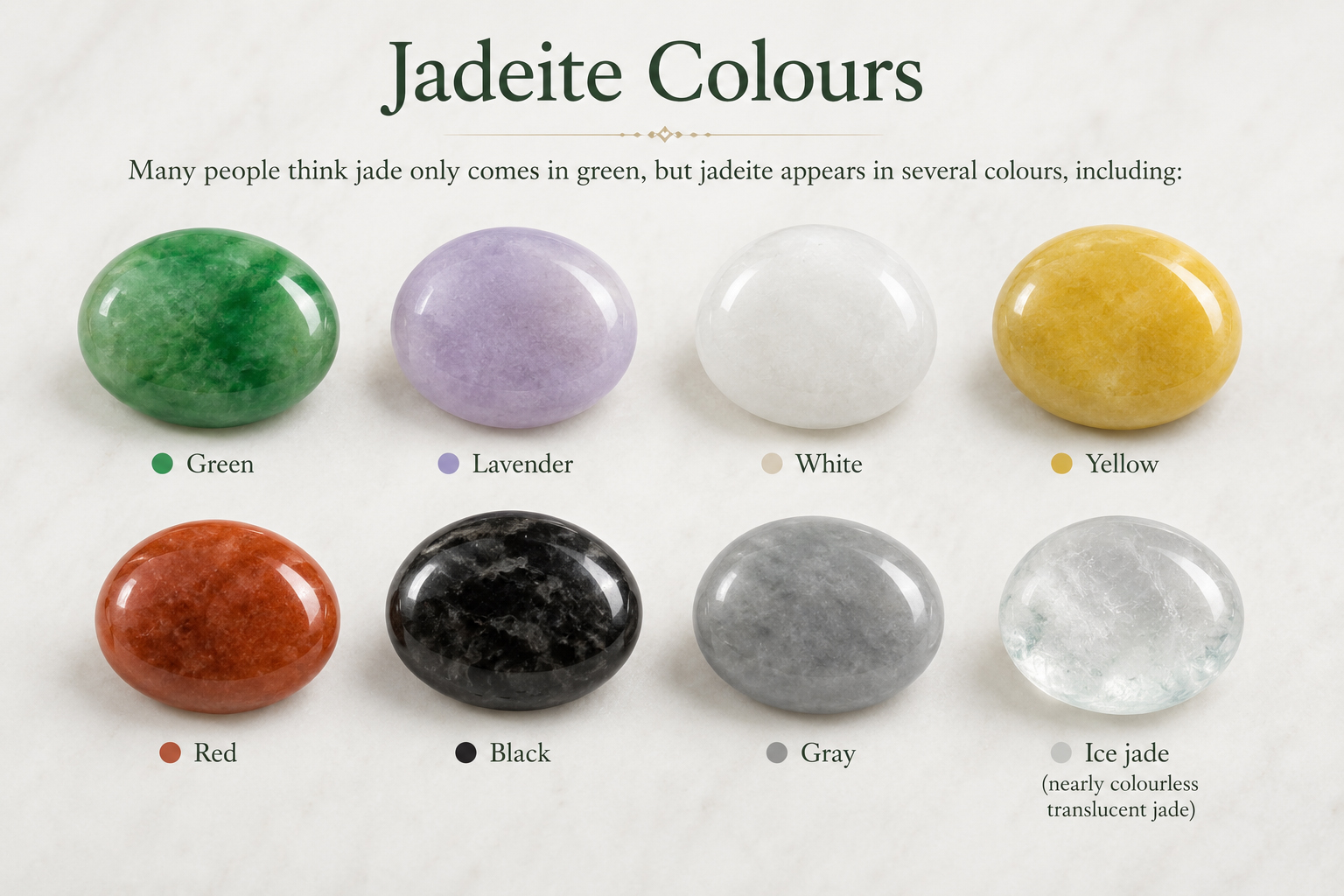
Jadeite Colours
Many people think jade only comes in green, but jadeite appears in several colours, including:
- Green
- Lavender
- White
- Yellow
- Red
- Black
- Gray
- Ice jade (nearly colourless translucent jade)
The Main Quality Factors of Jadeite
1. Colour
Colour is the most important value factor.
The most valuable jadeite usually shows:
- Rich green colour
- Even colour distribution
- Strong saturation
Imperial green jade is the most famous and expensive variety.
2. Translucency
Translucency gives jadeite its glowing appearance.
Higher translucency usually means higher value.
Fine jadeite can appear almost illuminated from within.
3. Texture
Texture refers to:
- Smoothness
- Grain consistency
- Internal structure
Higher-quality jadeite has a fine, smooth texture without visible fractures or rough areas.
Jade Hardness and Toughness
Jadeite has a hardness of about 6.5 to 7 on the Mohs scale.
This means it resists scratches fairly well. However, toughness is what truly makes jade special. Jade is extremely resistant to breaking, making it an excellent gemstone for everyday jewellery.
Jade Treatments Explained
One of the biggest problems in the jade market is treatment. Many jade pieces sold online are not natural untreated jade. Understanding jade treatments is essential before buying.
What Is A Jade?
“A Jade” refers to natural, untreated jadeite.
This is the most valuable and desirable type.
What Is B Jade?
“B Jade” is jadeite that has been:
- Acid bleached
- Filled with polymer or resin
This treatment improves appearance but weakens the stone.
Problems With B Jade
- Less durable
- Can become brittle
- Lower value
- Resin may deteriorate over time
B jade is often worth only a small fraction of untreated jade.
What Is C Jade?
“C Jade” refers to dyed jadeite.
Artificial dye is added to improve colour.
The colour may fade over time.
What Is BC Jade?
BC jade has both:
- Polymer impregnation
- Dye treatment
These stones are heavily treated and significantly less valuable than natural jade.
Why Jade Testing Is Important
Many treated jade pieces are sold dishonestly as natural jade.
Unfortunately, detecting treatment is very difficult without advanced laboratory equipment.
Professional labs use tools such as:
- Infrared spectrometers
- Raman spectrometers
Because of this, buyers should always request:
- A laboratory report
- A certificate
- A trusted seller guarantee
Jade Simulants and Fake Jade
Many gemstones and materials are incorrectly sold as jade.
Common jade imitations include:
- Dyed quartz
- Serpentine
- Glass
- Soapstone
- Green aventurine
- Dyed agate
Some sellers may not even know the material is fake. This is why proper gemological testing is important.
How Much Is Jade Worth?
Jade prices vary enormously.
You can find:
- Affordable jade jewellery for under $100
- Fine natural jadeite worth thousands
- Auction-quality jade selling for millions
Price depends on:
- Colour
- Translucency
- Texture
- Size
- Treatment status
- Craftsmanship
Natural untreated jadeite is always the most valuable
Tips for Buying Jade Safely
Before buying jade, remember these important tips:
Buy From Trusted Sellers
Choose reputable jewellers or gemstone dealers.
Ask for a Lab Report
A trusted certificate helps confirm:
- Whether the stone is real jade
- Whether it has been treated
Be Careful With Cheap Prices
If the price seems too good to be true, it probably is.
Fine untreated jade is rare and valuable.
Avoid Sellers Who Refuse Certification
A trustworthy seller should be comfortable providing proof of authenticity.
Jade is one of the world’s most fascinating gemstones. Its rich history, incredible toughness, and glowing beauty have made it treasured for thousands of years. But buying jade can also be confusing because of treatments, imitations, and misleading marketing. The most important thing to remember is this:
Not all jade is equal.
Understanding the difference between nephrite, jadeite, treated jade, and fake jade can help you make smarter buying decisions and avoid expensive mistakes.