
The #1 Factor That Determines Gemstone Price: A Simple Guide to Colour
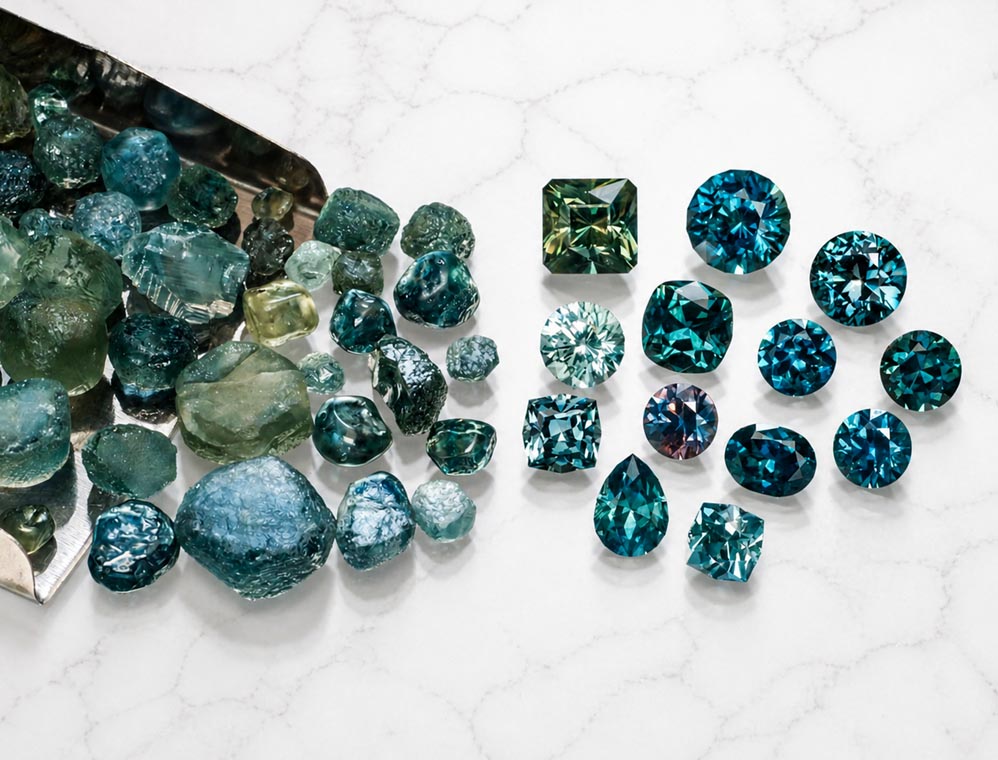
When people buy gemstones, many focus on size or sparkle. But in reality, the single most important factor that affects a gemstone’s price is colour. Whether you are buying a sapphire, ruby, or tourmaline, understanding colour can save you from overpaying and help you choose a truly beautiful stone.
If you are new to gemstones, do not worry. This guide explains everything in plain English so you can buy with confidence.
Why Colour Matters More Than Anything Else
Gemstones have been valued for thousands of years, but not all stones are equal. Two gems of the same type can have a huge price difference, and in most cases, colour is the reason.
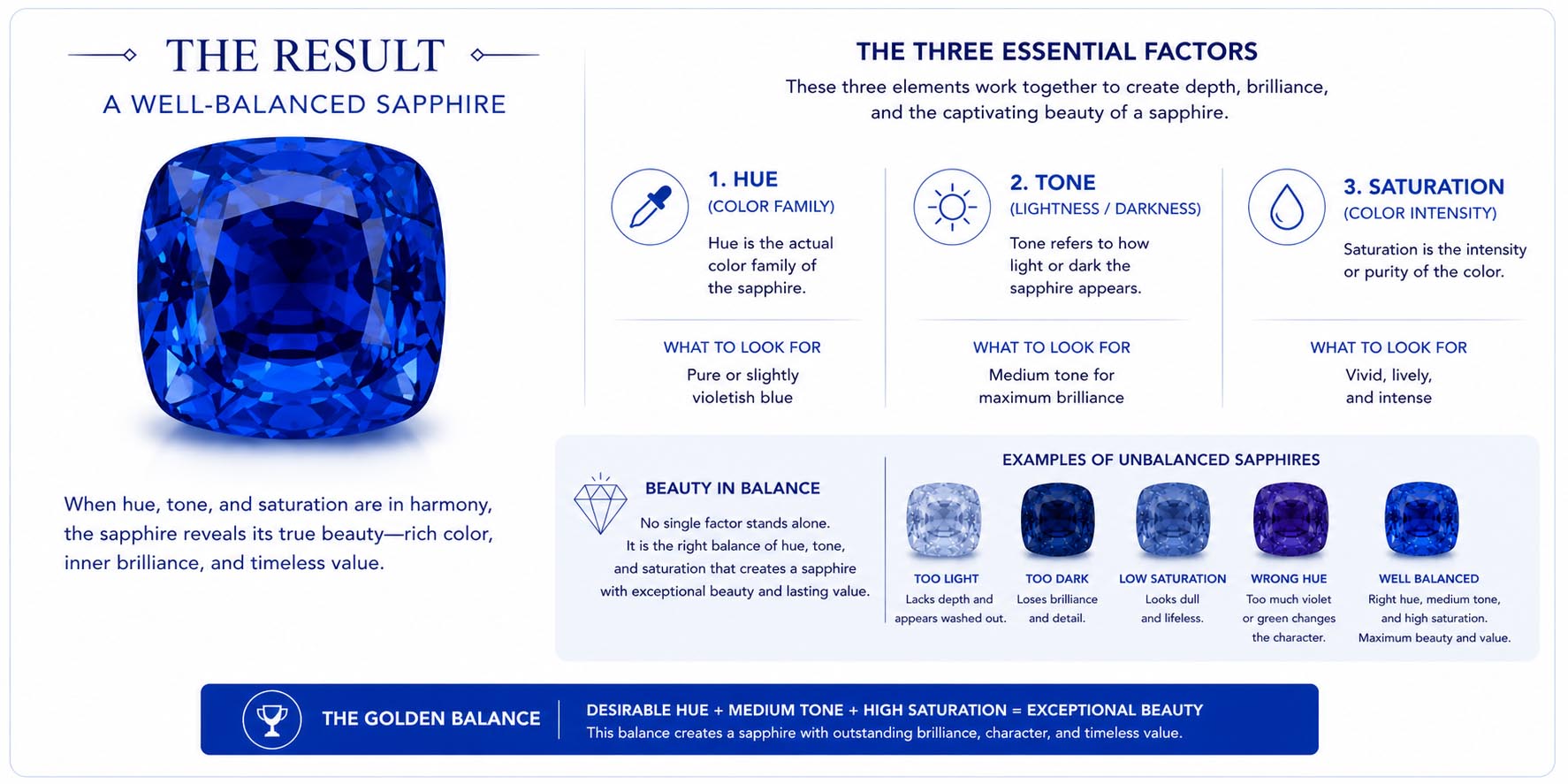
A vibrant, rich colour can increase value dramatically, while a dull or overly dark colour can make a gemstone much less desirable. To understand this properly, you need to know that colour is not just one thing. It is made up of three key elements:
- Hue
- Tone
- Saturation
Let’s break each one down in a simple way.
1. Hue: What Colour Do You Actually See?
Hue is what most people think of when they hear the word colour. It refers to the basic colour of the gemstone such as blue, red, green, or yellow.
For example:
- A classic blue sapphire has a blue hue
- A ruby has a red hue
- Some sapphires can even appear violet, green, or yellow
Understanding Subtle Differences in Hue
Not all colours are the same, even within the same category.
- A stone may look blue, but it could be slightly violetish blue
- A pink gemstone could be orangey pink or purplish pink
- Two yellow stones may look similar, but one may lean slightly green
These small differences matter a lot in pricing. In gemology, these are often described as:
- Slightly bluish green
- Orangey red
- Purplish pink
You do not need technical language. What matters is training your eye to notice these differences.
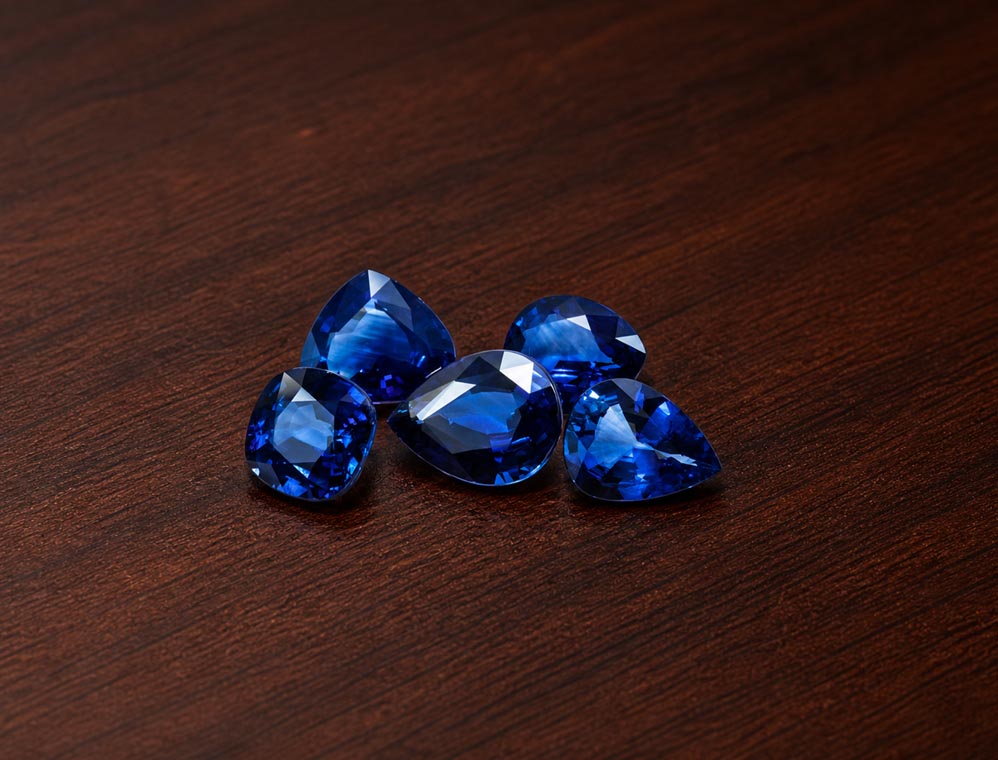
2. Tone: How Light or Dark Is the Stone?
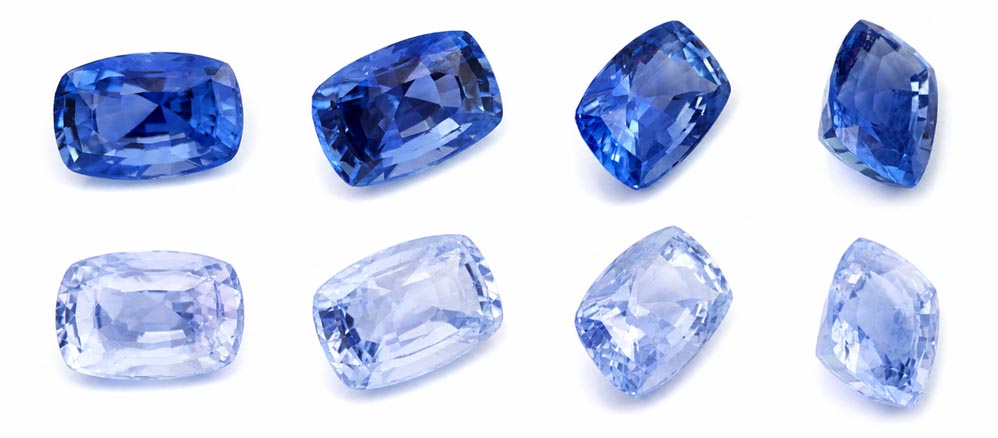
Tone refers to how light or dark a gemstone appears.
Think of tone as a scale:
- Very light stones can look almost colourless
- Medium tones show colour clearly
- Very dark stones can appear black
Why Tone Is Important
If a gemstone is too dark, it may lose its beauty because you cannot clearly see the colour. For example:
- A deep purple stone may look black in normal lighting
- A very light stone may look washed out and weak
The best gemstones usually fall in the middle range where the colour is clearly visible but not too dark.
3. Saturation: How Strong or Intense Is the Colour?
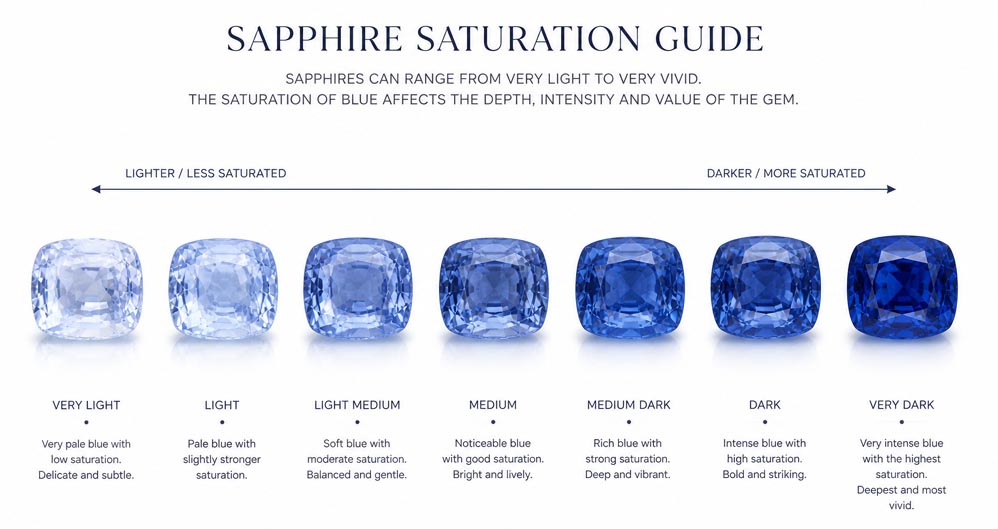
Saturation describes the strength or intensity of the colour.
You can think of it like this:
- Low saturation looks pale or “washed out”
- High saturation looks rich, vivid, and intense
Examples of Saturation
- A pale pink stone has low saturation
- A bright, vivid pink stone has high saturation
- A gemstone with strong, pure colour is usually more valuable
However, more is not always better.
If saturation is too strong and combined with a dark tone, the gemstone can look “sleepy” or lifeless because light does not reflect well.
How Hue, Tone, and Saturation Work Together
These three factors always interact with each other.
A gemstone might have:
- A beautiful hue but poor saturation
- Strong saturation but too dark tone
- Good tone but an unattractive hue
The most valuable gemstones usually have:
- A desirable hue
- Medium tone
- Strong but balanced saturation
Real Example: Why Some Stones Cost More
Let’s take a pink gemstone like rubellite tourmaline:
- A pale pink stone with low saturation will be cheaper
- A vivid, electric pink with balanced tone will be more expensive
- A very dark, overly saturated stone may actually drop in value
Even though all three are similar in type, their colour quality makes a huge difference in price.
Nature Makes Every Gem Unique
Unlike manufactured products, gemstones are created by nature. This means:
- No two stones are exactly the same
- Even stones from the same mine can look different
- Finding the perfect colour is rare
This rarity is one reason why high-quality gemstones can be expensive.
Popularity Also Affects Price
Market trends play a role too.
If a certain colour becomes popular:
- Demand increases
- Prices go up
For example, vivid blue sapphires or bright pink stones often command higher prices because they are in demand.
So when buying gemstones, consider both:
- What you personally like
- What is currently popular in the market
Simple Tips to Choose Better Gemstones
If you are buying gemstones online or in person, keep these points in mind:
- Look at the colour in natural light if possible
- Avoid stones that are too dark or too pale
- Choose colours that look lively and clear
- Compare multiple stones before deciding
- Trust your eyes more than the description
Colour is the most powerful factor in determining gemstone value. By understanding hue, tone, and saturation, you can make smarter decisions and avoid costly mistakes.
You do not need to be an expert. With a bit of practice, your eye will improve, and you will start to notice differences that most beginners miss.
In the end, the best gemstone is one that looks beautiful to you, but knowing what makes it valuable gives you a real advantage when buying.