
The 15 Most Expensive Gemstones Ever Discovered – Prices, Stories and Why They Cost a Fortune
Most people assume diamonds are the most expensive gemstone on earth. They are wrong. There are stones on this list that make a flawless diamond look affordable by comparison. Some are so rare that only a handful of quality specimens exist in the entire world. Others have histories so extraordinary – passing through the hands of pharaohs, emperors and revolutionary thieves – that their value goes far beyond what any appraisal could capture.
This is not a list of pretty stones. This is a list of the most extreme geological events, the most remote mining conditions, and the most extraordinary accidents of chemistry that the earth has ever produced. Here are the fifteen most expensive gemstones ever discovered – what they are, where they came from, and exactly why they cost what they do.
What Makes a Gemstone Expensive?
Before we get into the list, it helps to understand that price in the gemstone world is driven by four factors working together:
- Rarity – How many exist? Is the mine still producing, or exhausted?
- Colour – Intensity, saturation and hue purity. A “pigeon blood” ruby versus an ordinary red ruby can differ by hundreds of thousands of dollars per carat.
- Clarity – Inclusions reduce value. A clean stone of any variety commands a significant premium.
- Provenance – Origin matters enormously. A Kashmir sapphire versus a Thai sapphire of identical appearance can be ten times the price because of where it came from.
With that framework in place, let us count down.
#15 – Tanzanite: The Stone Running Out of Time
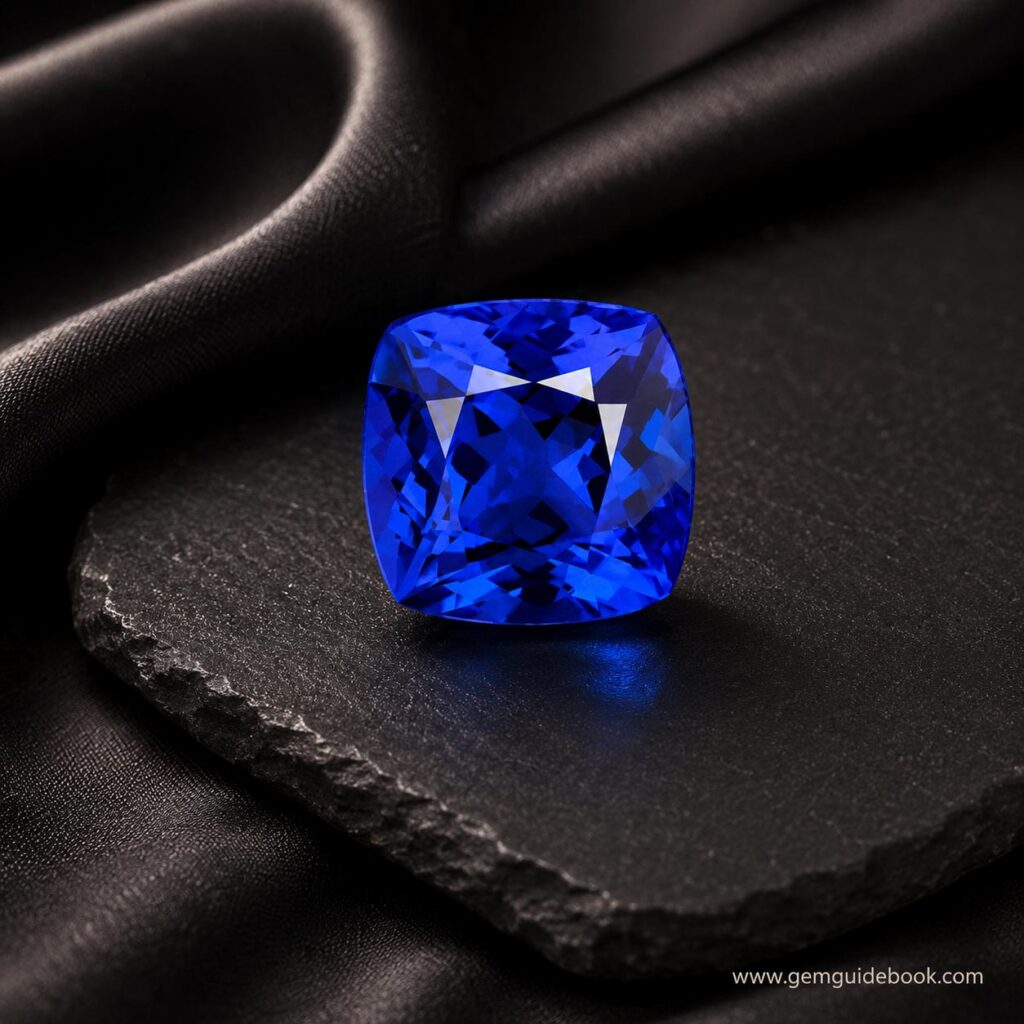
Value: up to $1,200 per carat
Tanzanite only exists in one place on earth: a 4-kilometre strip of land near Mount Kilimanjaro in northern Tanzania. That is not a figure of speech. Geologically, the conditions that created tanzanite are so specific and so unlikely to be repeated that leading gemologists consider it one of a kind on a planetary scale. What makes tanzanite visually unique is its trichroism – it displays three different colours depending on the angle from which you view it: blue, violet and burgundy simultaneously. Under different light sources, it shifts dramatically. In daylight it leans blue-violet. Under incandescent light it deepens toward purple.
The stone was first documented in 1967 and brought to international attention by Tiffany & Co., who named it after its country of origin rather than its geological classification (it is technically a variety of zoisite). The famous jeweller recognised its extraordinary visual quality and market potential immediately.
Current estimates suggest the tanzanite deposits will be fully exhausted within the next twenty to thirty years. Unlike diamonds, which are mined on multiple continents, when the Tanzanian deposits are gone, tanzanite is gone. Permanently. This has significant implications for collectors and investors paying close attention to the coloured stone market.
#14 – Black Opal: Fire on a Dark Background
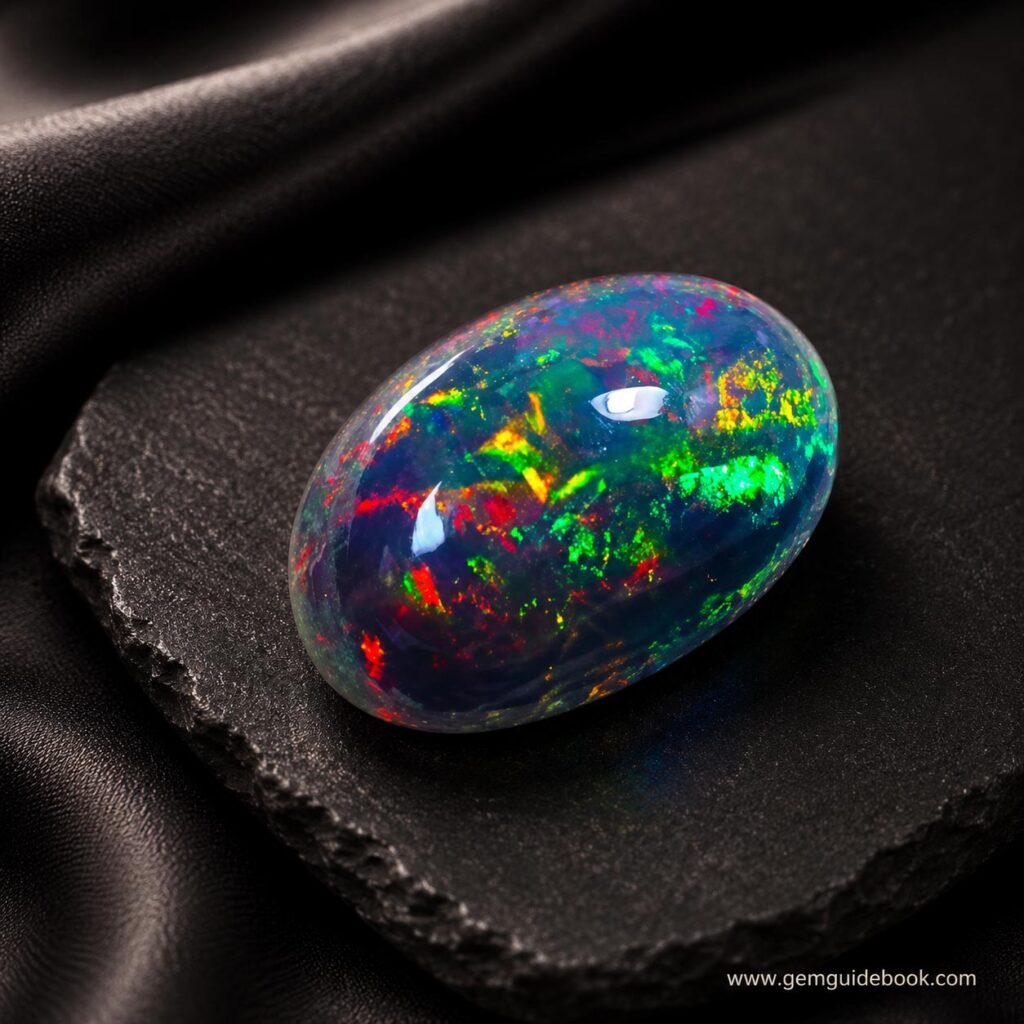
Value: $500 to $15,000 per carat – exceptional stones far higher
Not all opals are created equal. Common opals, crystal opals and white opals are all beautiful – but black opal is in a different category entirely. The dark body tone of black opal creates a background against which the play-of-colour (the flashing spectral display inside the stone) appears with an intensity that lighter opals simply cannot match. Reds against black. Greens and blues exploding across the surface as the stone moves.
Approximately 95% of the world’s black opal comes from a single town: Lightning Ridge in New South Wales, Australia. The miners there work in extreme heat, digging narrow tunnels by hand and machine into the desert earth. Each opal is unique – no two pieces share the same pattern, which means each stone must be evaluated individually rather than graded against a standardised scale.
In 2020, an 819.50-carat black opal known as the “Aurora Australis” – named after the southern lights whose colours it resembles – was owned by Medici Collection LLC and valued at approximately $8.2 million. It remains one of the most famous opals in the world.
For collectors, the key value indicators in black opal are the brightness of the play-of-colour, the dominance of red in the display (red being the rarest colour in opal), and the quality of the body tone – the darker, the better.
#13 – Demantoid Garnet: The Gem That Out-Fires a Diamond
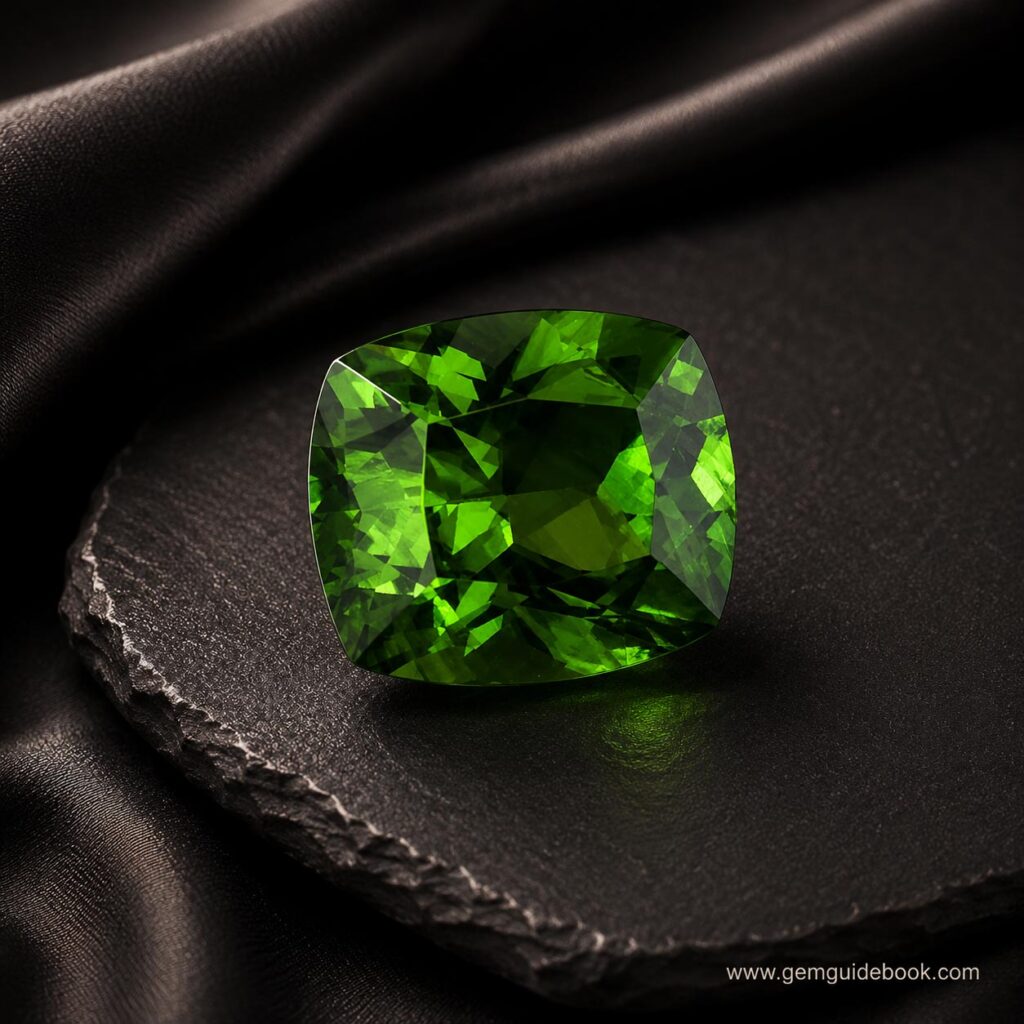
Value: up to $10,000 per carat for fine Russian specimens
If you think garnets are cheap semi-precious stones sold in market stalls for a few pounds, demantoid garnet will completely reframe your understanding of what the garnet family is capable of. Demantoid is a green variety of andradite garnet, first identified in Russia’s Ural Mountains in the mid-19th century. Its most remarkable property is its dispersion – the ability to split white light into its spectral colours and display them as “fire.” Demantoid’s dispersion rating is 0.057, which exceeds that of diamond (0.044). In practical terms, this means that under light, a fine demantoid shows more rainbow fire than a diamond of the same size.
The legendary jeweller Peter Carl Fabergé was famously devoted to demantoid garnet and used it extensively in his imperial Russian pieces. This historical association with Romanov-era luxury has only added to the stone’s mystique and value among serious collectors.
The finest Russian demantoids are identified by their distinctive “horsetail” inclusions – fine golden needles of chrysotile radiating from a central point. These inclusions, which would reduce the value of almost any other gemstone, are actually considered a mark of authenticity and desirability in Russian demantoid. They confirm the stone’s origin.
New sources have been found in Namibia, Iran and Italy, but Russian material from the Ural Mountains remains the benchmark for quality and commands the highest prices.
#12 – Red Beryl: The Rarest Member of the Emerald Family
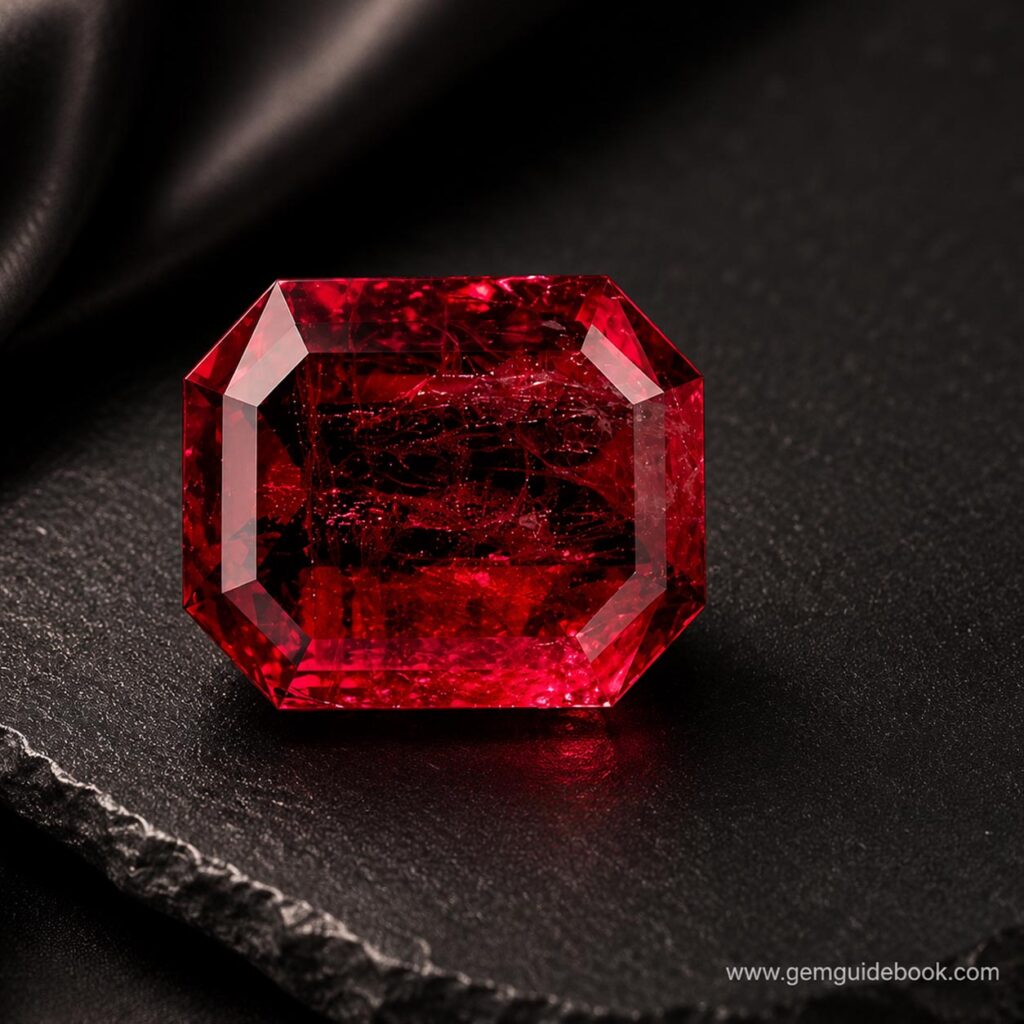
Value: $10,000 to $15,000 per carat
Beryl is a mineral family with several famous members: emerald (green beryl), aquamarine (blue beryl), morganite (pink beryl) and heliodor (yellow beryl). Red beryl – sometimes called red emerald or scarlet emerald – is the rarest of all of them, and one of the rarest gemstones in the world by any measure. It is found in commercial quantities in only one location on earth: the Wah Wah Mountains of Beaver County, Utah. The geological conditions required to produce red beryl are so specific that finding it anywhere else is considered exceptional.
To understand its rarity in concrete terms: for every 150,000 gem-quality diamonds that are mined, approximately one red beryl crystal is found. The vast majority of red beryl specimens are tiny – most under 1 carat. Stones above 2 carats are considered exceptional. Stones above 3 carats in fine quality are world-class rarities.
Its colour – a raspberry red to deep crimson – comes from manganese within the crystal structure. The combination of its extraordinary rarity, its striking colour and its connection to the prestigious beryl mineral family makes it highly sought after by serious gem collectors, most of whom will spend years before ever encountering a quality specimen.
#11 – Alexandrite: The Stone That Changes Colour
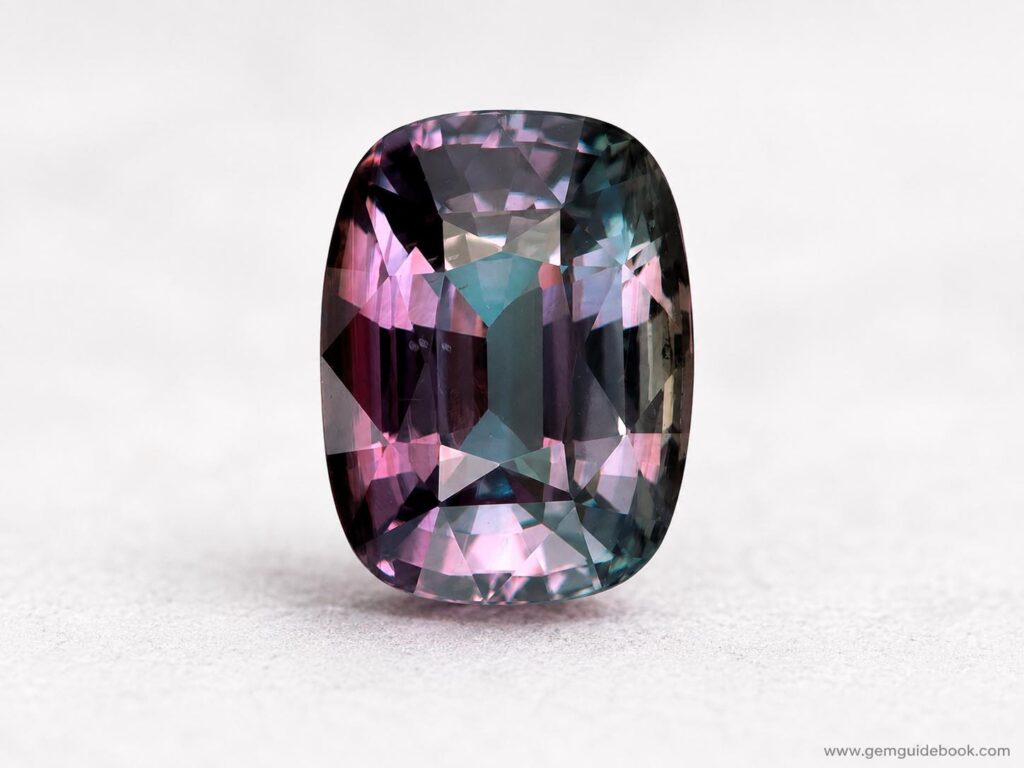
Value: $15,000 per carat and far higher for fine specimens
Alexandrite is perhaps the most dramatic gemstone on this list in terms of visual impact. Under natural daylight or fluorescent light, a fine alexandrite displays a rich emerald green. Move it under an incandescent light bulb or candlelight, and it transforms completely – shifting to a deep raspberry red or burgundy. This colour change is not a subtle shift. In a fine stone, it is total and unmistakeable.
The stone was first discovered in Russia’s Ural Mountains in 1830 and named after the future Tsar Alexander II, whose birthday coincided with the discovery. Its colours – green and red – happened to be the military colours of Imperial Russia, which made it immediately significant as a national stone.
The finest alexandrites in the world come from the original Russian deposits, most of which are now largely exhausted. Significant sources have since been found in Sri Lanka, Brazil and East Africa, but Russian alexandrite with a strong, clean colour change commands premiums that stones from other origins rarely match.
A fine natural alexandrite above 5 carats with a strong colour change and good clarity is genuinely one of the most collectible objects in the gem world. Synthetic alexandrite exists and is very convincing – when buying, always insist on a certificate from GIA, AGL or Gübelin confirming the stone is natural and noting the quality of the colour change.
#10 – Imperial Jadeite: Valued Above Gold for Three Thousand Years
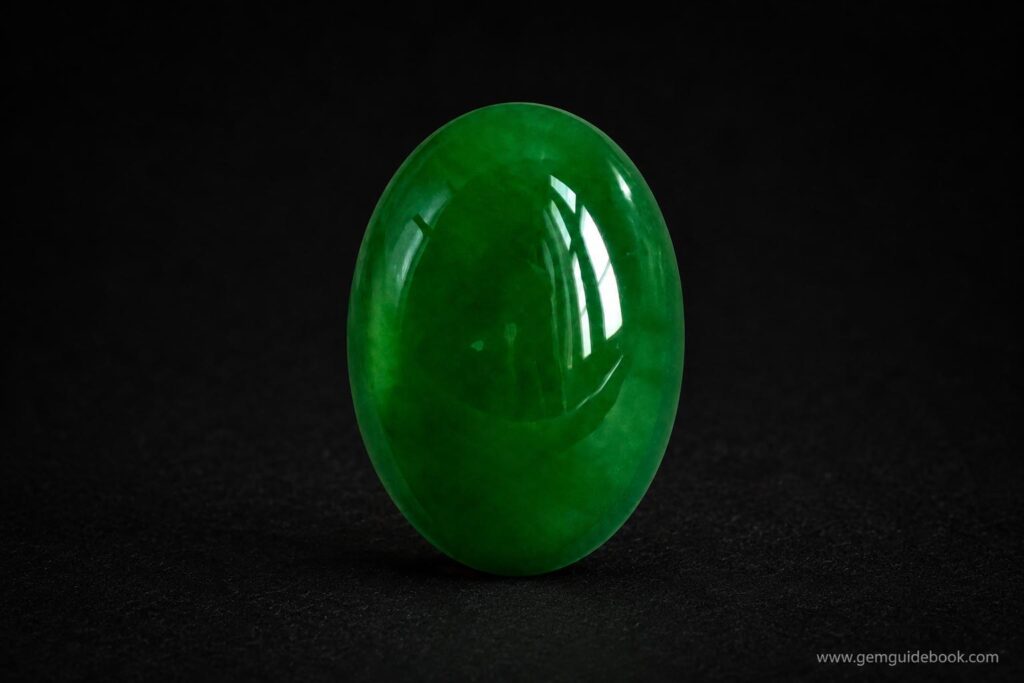
Value: up to $3 million per carat for imperial green
There is jade, and then there is jadeite – and the distinction matters enormously. Common jade (nephrite) is found across the world and is relatively affordable. Jadeite is a different mineral entirely: harder, denser, more translucent, and far rarer. Imperial jadeite – the finest grade, displaying a vivid emerald green with exceptional translucency – is among the most expensive materials per gram that exists on earth.
In China, jade has been considered more precious than gold for over three thousand years. Confucius wrote about it as a physical expression of virtue and wisdom. Han dynasty emperors were buried in suits made from thousands of jade pieces sewn together with gold wire. The stone represented immortality, purity and imperial power simultaneously.
The most famous sale of imperial jadeite jewellery occurred at Sotheby’s in 1994, when the Barbara Hutton-Mdivani Necklace – 27 perfectly matched imperial jadeite beads of extraordinary colour and translucency – sold for $27.44 million. The buyer was Cartier. It remains one of the most significant jewellery auction results in history.
Almost all of the world’s gem-quality jadeite comes from Myanmar (Burma). The trade involves complex politics and supply chain considerations, and the availability of fine imperial material has been declining for decades.
#9 – Emerald: The Stone That Tolerates Its Own Flaws
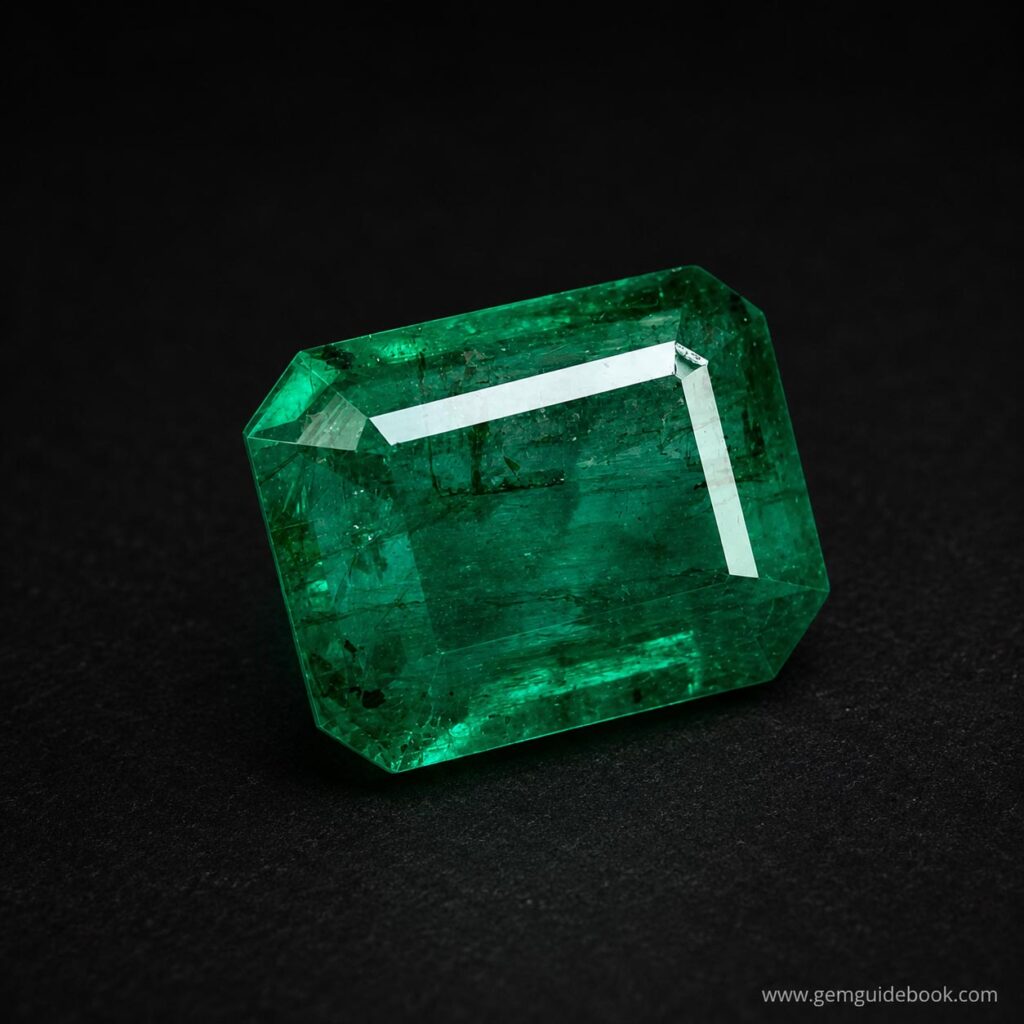
Value: record sales over $300,000 per carat
Emerald is one of the four traditional precious gemstones – alongside diamond, ruby and sapphire – and it operates by different rules to all of them. Almost every emerald in the world contains inclusions. These internal features are so common and so expected that the gemological community has given them a specific name: “jardin” – the French word for garden. A completely clean, inclusion-free emerald is rarer than a clean diamond of the same weight. The trade accepts and prices emeralds accordingly.
The finest emeralds in the world come from Colombia’s Muzo and Chivor mines – deposits that have been producing stones for over two thousand years, first mined by the indigenous Muzo people centuries before the Spanish arrived and began sending Colombian emeralds to the courts of Europe and the Mughal emperors of India.
In 2017, the Rockefeller Emerald – an 18.04-carat Colombian stone with exceptional colour and clarity – sold at Christie’s for $5.51 million, setting a new world record of more than $305,000 per carat. The stone had been purchased by John D. Rockefeller Jr. for his wife and remained in the family for decades before being sold.
The key value factor in emerald is colour – specifically a pure, vivid green with no yellow or blue cast. Colombian stones from Muzo tend toward a slightly warmer, more intense green that collectors prize above all other origins.
#8 – Ruby: The Stone That Broke Every Auction Record
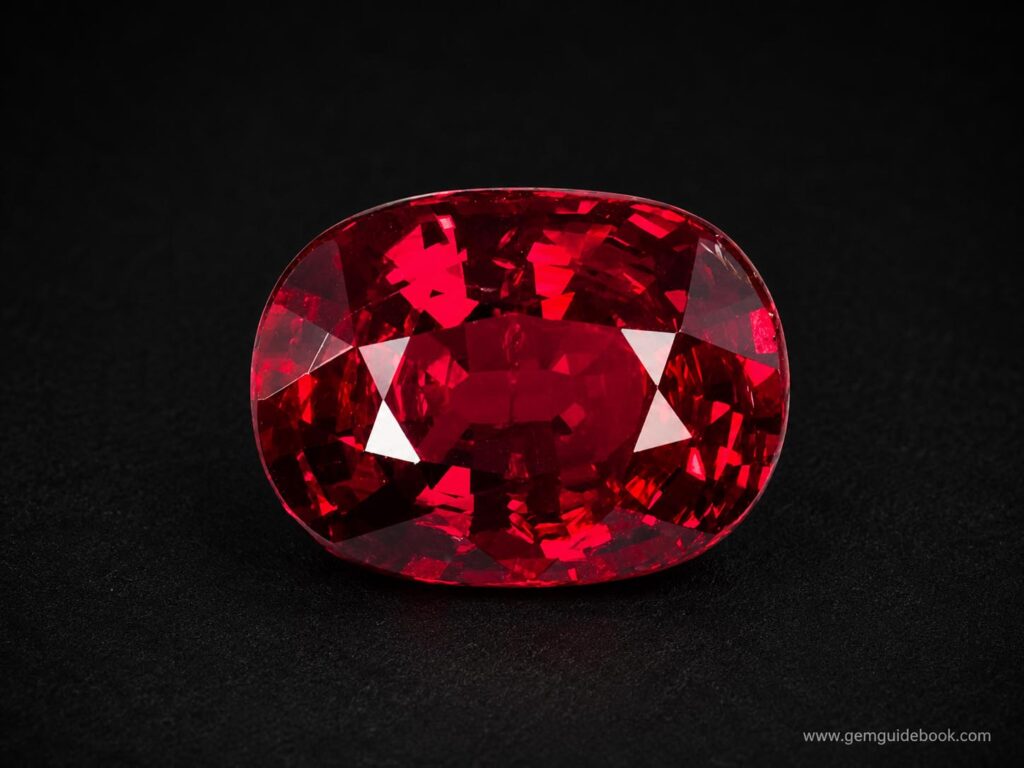
Value: over $1 million per carat for the finest Burmese specimens
For much of recorded history, ruby was considered the most precious stone on earth – more valuable than diamond, more coveted than emerald. Ancient Sanskrit texts refer to it as the “king of precious stones.” Medieval European royalty wore it as a symbol of power and protection. Burmese warriors believed that inserting a ruby beneath the skin would make them invincible in battle.
The standard against which all rubies are measured is “pigeon blood” – a specific shade of deep, vivid red with a slight blue fluorescence that creates a glowing internal fire. This colour grade is associated almost exclusively with stones from the Mogok Valley in Myanmar, a remote mountain region that has been producing the world’s finest rubies for over eight hundred years.
In 2015, the Sunrise Ruby – a 25.59-carat Burmese pigeon blood stone with no evidence of heat treatment – sold at Sotheby’s Geneva for $30.42 million, setting a world record for a coloured gemstone. The record stood until 2023, when the Estrela de Fura – a 55.22-carat ruby from Mozambique – sold for $34.8 million, becoming the most expensive coloured gemstone ever sold at auction.
A fine unheated Burmese ruby above 5 carats with strong pigeon blood colour and good clarity is, by any reasonable definition, one of the rarest objects on the planet.
#7 – Paraíba Tourmaline: The Blue That No Other Stone Can Match
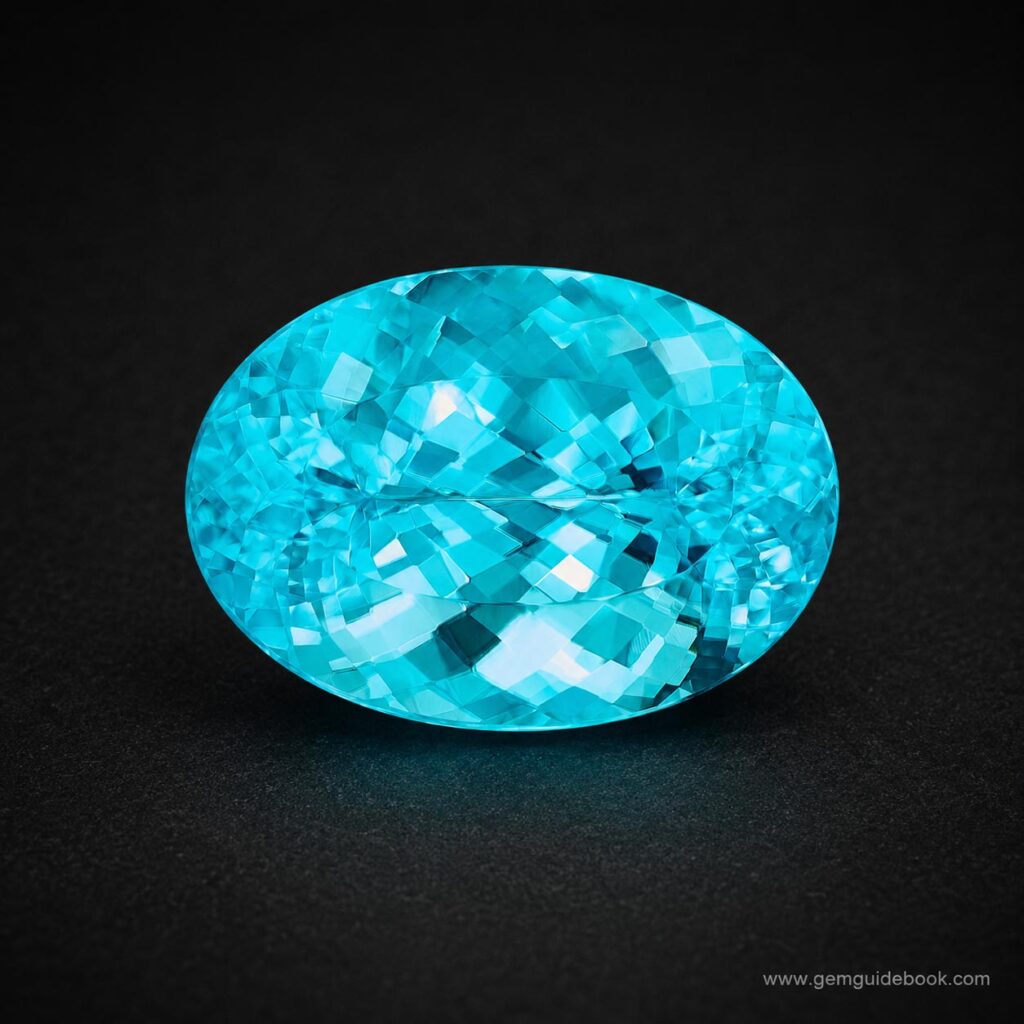
Value: up to $87,000 per carat – some exceptional specimens far higher
In 1987, a Brazilian miner named Heitor Dimas Barbosa began digging into a hill in the state of Paraíba in northeastern Brazil. He had been digging there for years, convinced something extraordinary was waiting beneath the surface, despite finding nothing of note. Then, after nearly a decade of work, he found it.
The stone he uncovered was a tourmaline unlike any seen before. Its colour – an electric neon blue-green – was so intense and so unusual that it looked as if it were glowing from within. The colour comes from copper, which had never previously been documented as a colouring agent in tourmaline. The discovery changed the coloured stone market permanently.
To understand the rarity: for every ten thousand diamonds mined from the earth, approximately one Paraíba tourmaline is found. Brazilian material is the most prized. Deposits have since been found in Nigeria and Mozambique, and while these African stones are beautiful and share the copper-driven neon colour, they command lower prices than Brazilian specimens – origin being verified by laboratory testing of trace element chemistry.
A fine Brazilian Paraíba above 3 carats is considered extraordinarily rare. Stones above 5 carats in vivid neon blue with good clarity are exhibited in museum collections and command prices that rival rubies and emeralds.
#6 – Sapphire: Kashmir, Padparadscha and the Blue of Kings
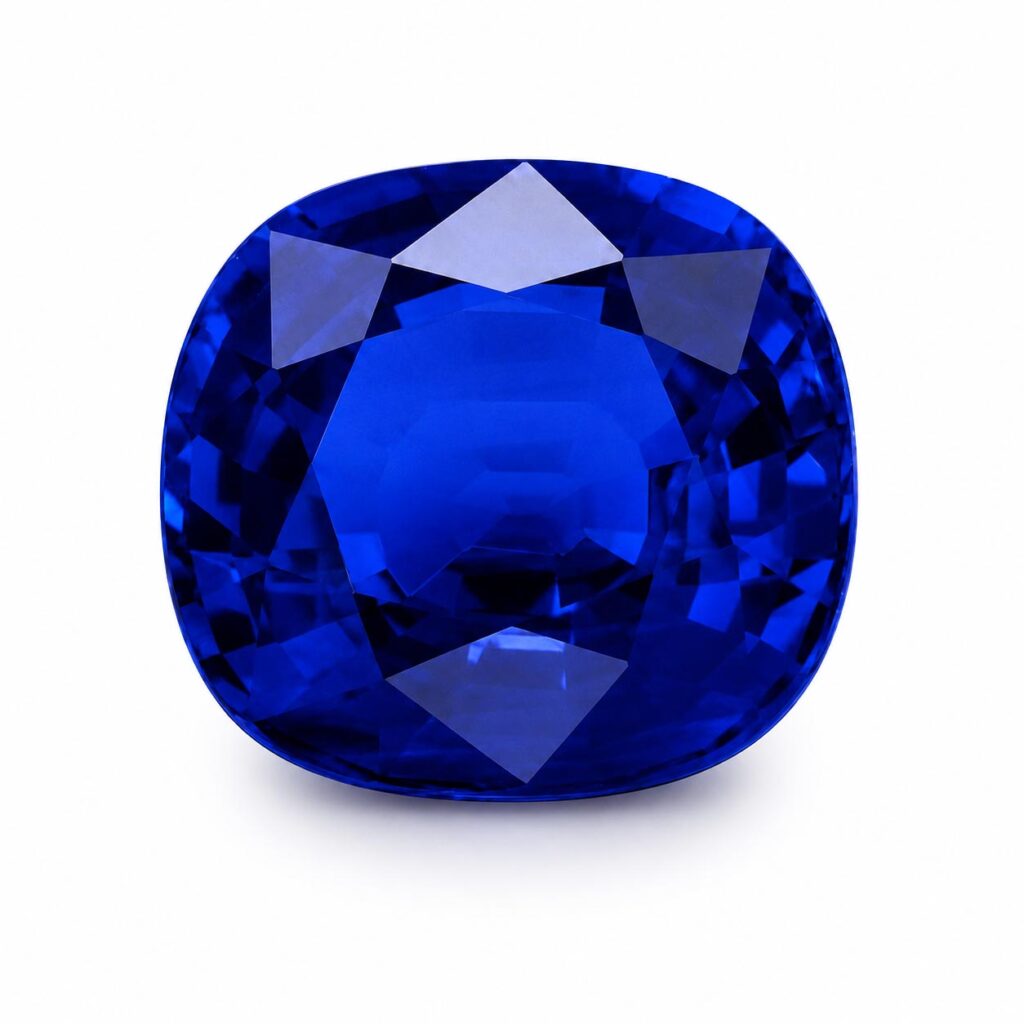
Value: Kashmir specimens over $200,000 per carat
Sapphire is one of the most recognisable gemstones in the world – worn by Princess Diana, now on the finger of the Princess of Wales, displayed in the British Crown Jewels. But the sapphire world has a hierarchy that most buyers never encounter, and at its peak sits two extraordinary varieties.
Kashmir sapphire is the absolute benchmark. The deposits were discovered in a remote Himalayan valley in 1881 following a landslide that exposed the crystals. Mining continued until approximately 1930, when the main deposits were exhausted. No significant new material has come from Kashmir since. The defining quality of Kashmir sapphire is its “velvety” blue – a cornflower blue with a slightly sleepy, diffused quality caused by fine silk inclusions scattering the light. This quality cannot be replicated by heat treatment or any enhancement. You either have it or you do not.
The Blue Belle of Asia – a Kashmir sapphire weighing 392.52 carats – sold at Christie’s Geneva in 2014 for $17.3 million, establishing a world record for a sapphire at the time. Padparadscha sapphire – the rarest sapphire of all – is a different stone entirely. Its name comes from the Sanskrit and Sinhalese word for “aquatic lotus blossom,” and its colour is exactly that: a delicate pinkish-orange that sits precisely between pink and orange without tipping into either. Found primarily in Sri Lanka, with some material from Madagascar and Tanzania, fine padparadscha above 3 carats with a pure lotus colour is extraordinarily scarce.
#5 – Musgravite: So Rare Most Jewellers Have Never Seen One
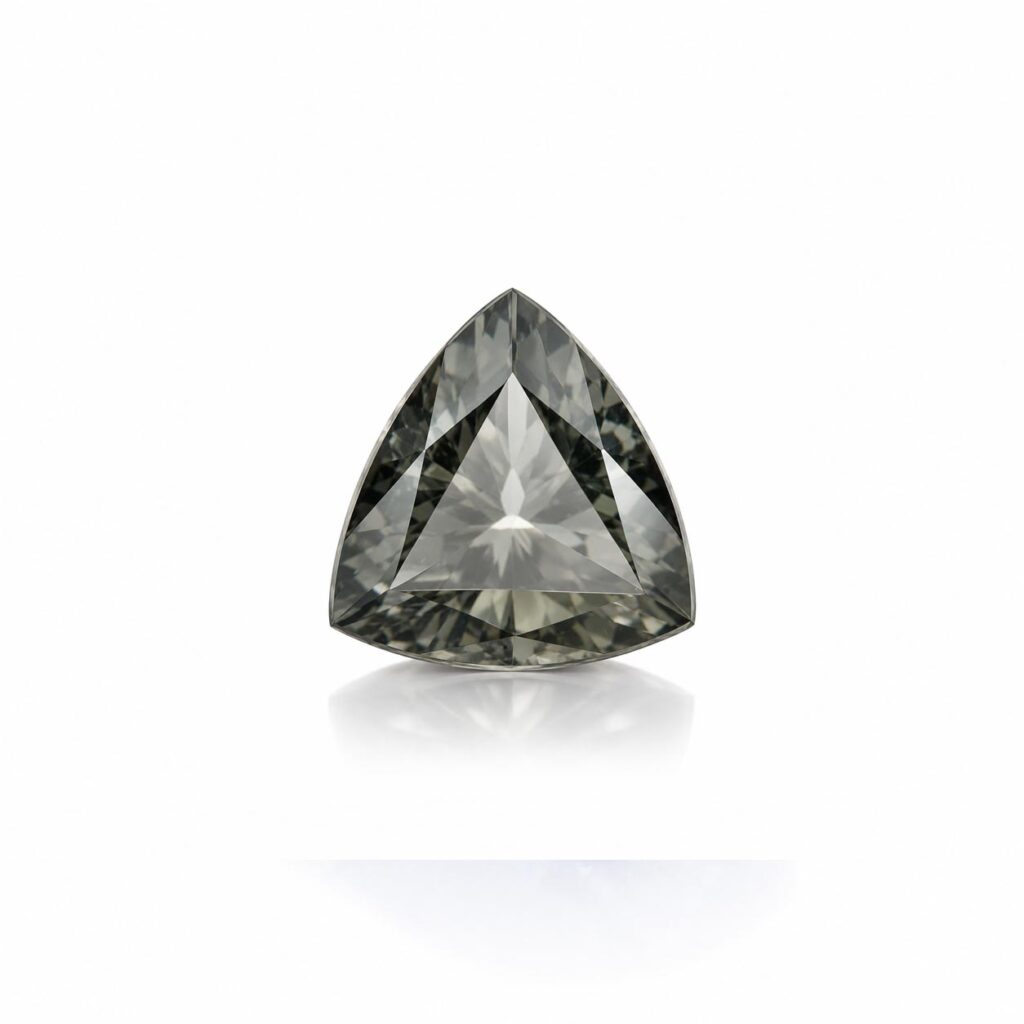
Value: approximately $35,000 per carat
Musgravite is what gemologists call a “collector’s stone” – a gem so rare that it essentially does not exist in the commercial jewellery market. It exists in private collections, in museum displays, and in the catalogues of specialist dealers who handle it perhaps once or twice in a career. It was first discovered in 1967 in the Musgrave Ranges of South Australia. Related to taaffeite (another ultra-rare gem that was itself first identified from a faceted stone rather than a rough crystal), musgravite has a Mohs hardness of 8 to 8.5 and displays colours ranging from grey-green to violet-grey.
For decades after its discovery, only eight facetable specimens were confirmed to exist in the world. While additional material has since been found in Greenland, Antarctica, Madagascar and Sri Lanka, the total supply of gem-quality musgravite remains genuinely measurable in individual crystals rather than in tonnes or even grams.
If you have ever visited a high-end jewellery shop and asked for musgravite, the jeweller almost certainly looked at you blankly. That is the reality of this stone. It exists, it is beautiful, and you will spend significant time and money before you find a genuine one for sale.
#4 – Pink Diamond: The Most Coveted Colour in the World – Now Even Rarer
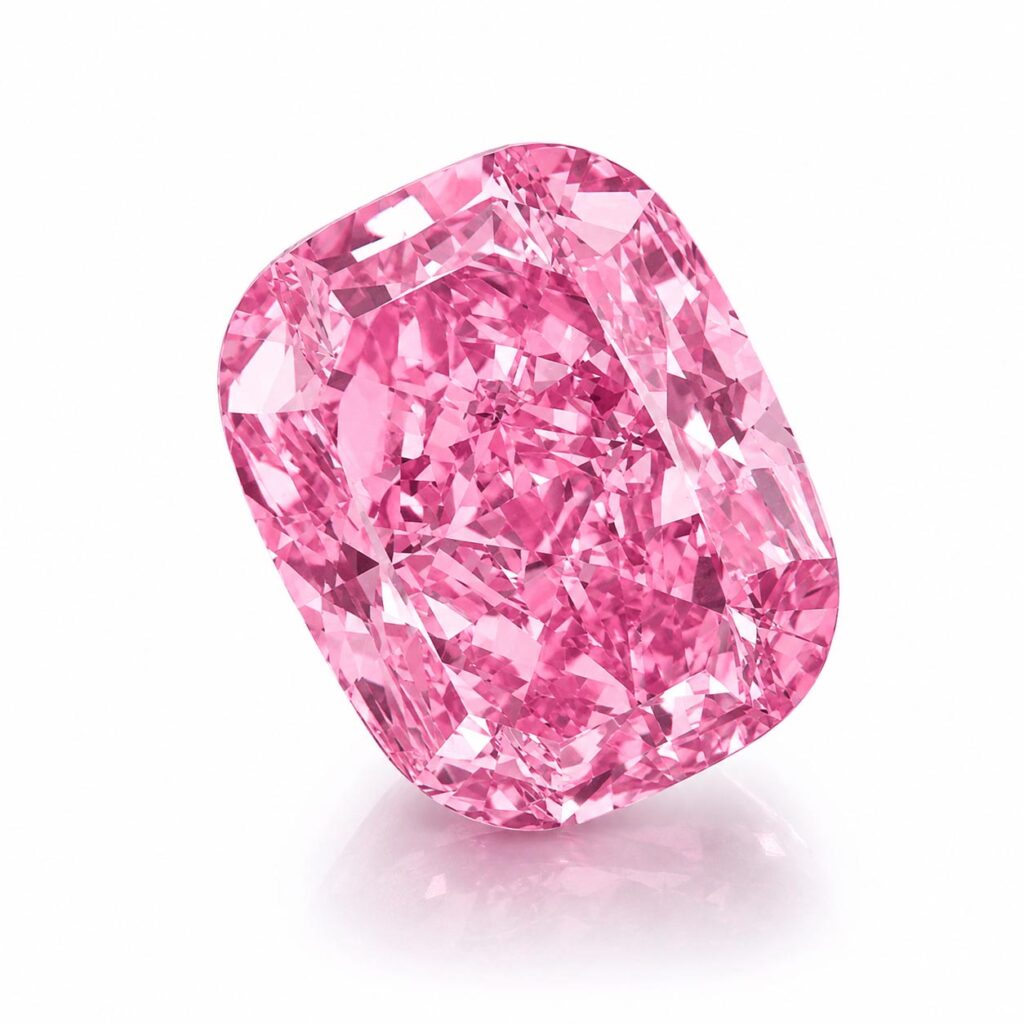
Value: over $5 million per carat for the finest specimens
Pink diamonds have always been rare. Then, in November 2020, the Argyle Mine in Western Australia permanently closed after 37 years of production. The Argyle Mine had produced over 90% of the world’s pink diamonds. It is gone. The land has been rehabilitated. It will never reopen. The supply of new pink diamonds from Argyle – which means the supply of most of the world’s pink diamonds – is finished.
The implications for the market were immediate and significant. Pink diamonds already under collection immediately became rarer by definition, and prices have reflected this reality.
In 2022, the Williamson Pink Star – 11.15 carats of vivid pink – sold at Sotheby’s Hong Kong for $57.7 million, achieving approximately $5.17 million per carat, a world record for price per carat at the time. The CTF Pink Star (59.60 carats) holds the record for the highest price ever achieved for any gemstone sold at auction: $71.2 million, sold in Hong Kong in 2017.
Pink diamonds are graded on colour intensity – from Faint Pink through Fancy Intense to Fancy Vivid, which is the highest grade. A Fancy Vivid Pink diamond, even at 1 carat, is a world-class stone. At 5 carats, it is extraordinary. Above 10 carats, you are in the territory of the most valuable portable objects on earth.
#3 – Red Diamond: Fewer Than Thirty Exist
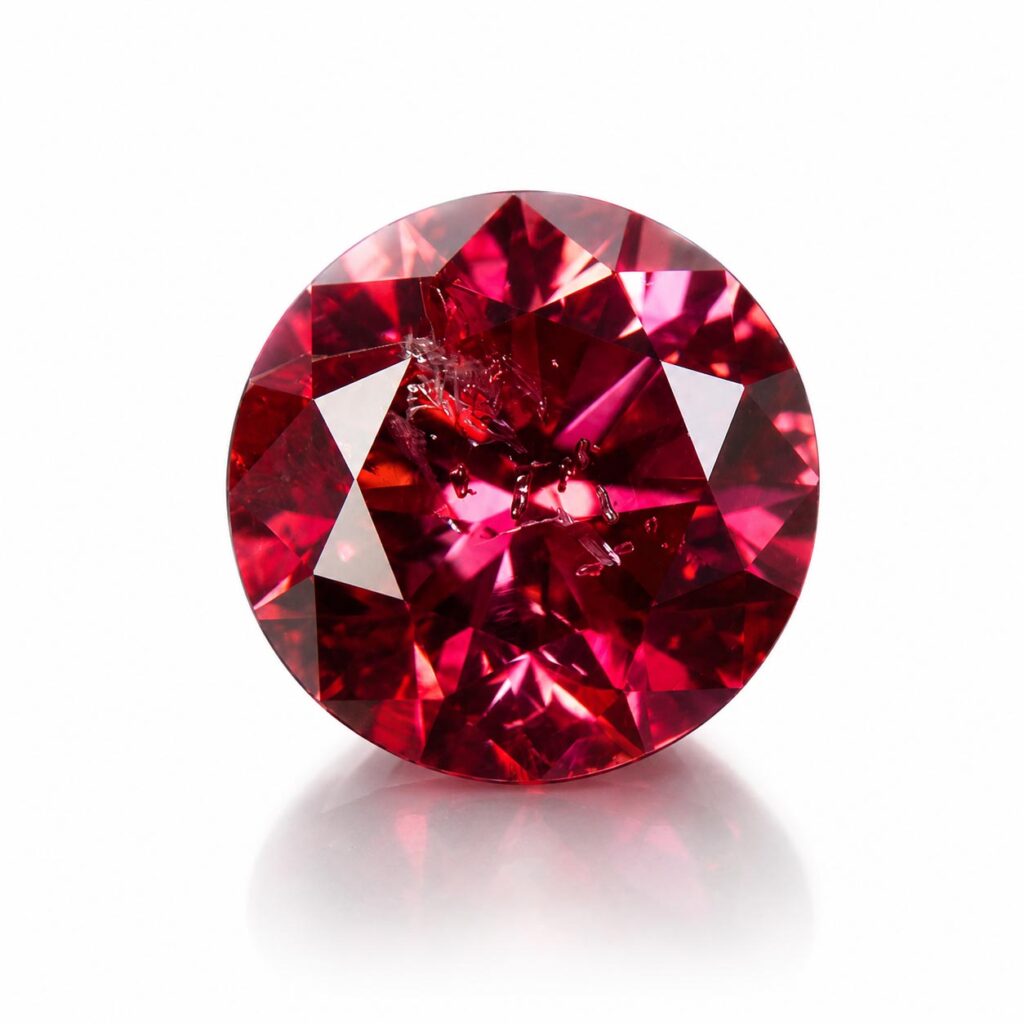
Value: over $1 million per carat – world-class specimens far beyond this
Pink diamonds are rare. Red diamonds are in a different category of rarity entirely. While pink diamonds are described as “fancy colour” diamonds with a primary pink hue, a true red diamond – graded as “Fancy Red” by the GIA – has no qualifying modifier. It simply is red. And fewer than thirty examples of this grade are known to exist in the world.
The cause of red colour in diamonds is not chemical – unlike blue diamonds (boron) or yellow diamonds (nitrogen), red diamonds owe their colour to a structural anomaly in the crystal lattice called plastic deformation. This makes their colour impossible to predict or engineer.
The most famous red diamond is the Moussaieff Red – 5.11 carats of Fancy Red, the largest red diamond known. It was found by a Brazilian farmer in the 1990s, purchased by William Goldberg Diamond Corp., and eventually acquired by Moussaieff Jewellers. Its estimated value is $20 million. It is not for sale. Almost all red diamonds are under 1 carat. A stone above 2 carats is extraordinary. The Moussaieff Red at over 5 carats is in a class that will almost certainly never be equalled.
#2 – Blue Diamond: The Hope Diamond and the $57 Million Record
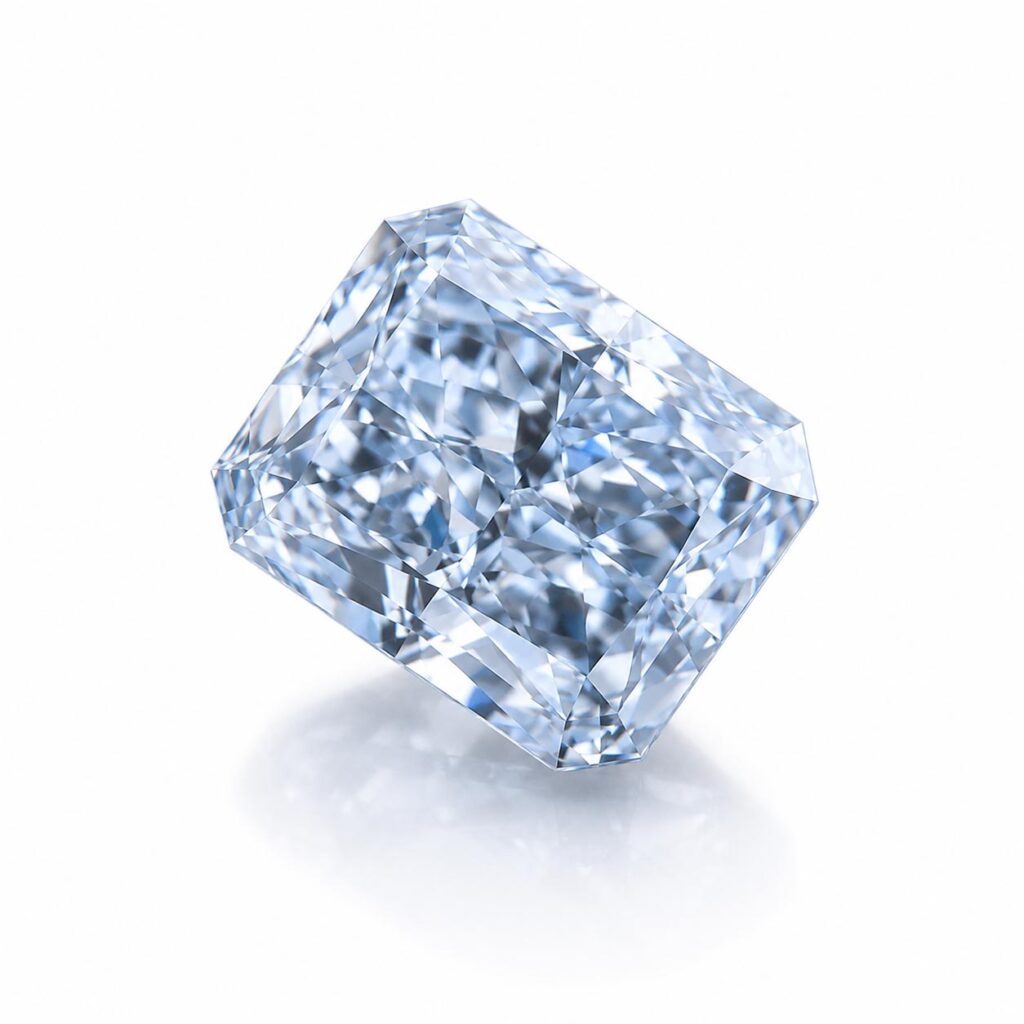
Value: approximately $3.9 million per carat for the finest examples
Blue diamonds owe their colour to trace amounts of boron in the crystal structure – and they are produced almost nowhere on earth. The Cullinan Mine in South Africa is the primary modern source for significant blue diamonds, and even there, a fine blue of 10 carats or more is a generational event.
In 2016, the Oppenheimer Blue – 14.62 carats of Fancy Vivid Blue – sold at Christie’s Geneva for $57.5 million, achieving $3.93 million per carat and setting what was then a world record for any gemstone sold at auction. In 2022, the De Beers Cullinan Blue (15.10 carats) matched it almost exactly, selling for $57.4 million.
The most famous blue diamond in the world is not either of those. It is the Hope Diamond – 45.52 carats of deep blue, currently on permanent display at the Smithsonian National Museum of Natural History in Washington DC, where it is insured for $250 million and seen by millions of visitors each year.
The Hope Diamond’s documented history begins in 17th century India, where it was reportedly mined from the Kollur Mine in Golconda. It was purchased by French gem trader Jean-Baptiste Tavernier and sold to King Louis XIV. It then passed through the French crown jewels, was stolen during the French Revolution, disappeared for decades, surfaced in London, was eventually purchased by American socialite Evalyn Walsh McLean, and was donated to the Smithsonian by jeweller Harry Winston in 1958. The stone’s alleged curse – said to bring misfortune and death to its owners – has made it one of the most famous objects in human history, gem or otherwise.
#1 – Kyawthuite: The Only One on Earth
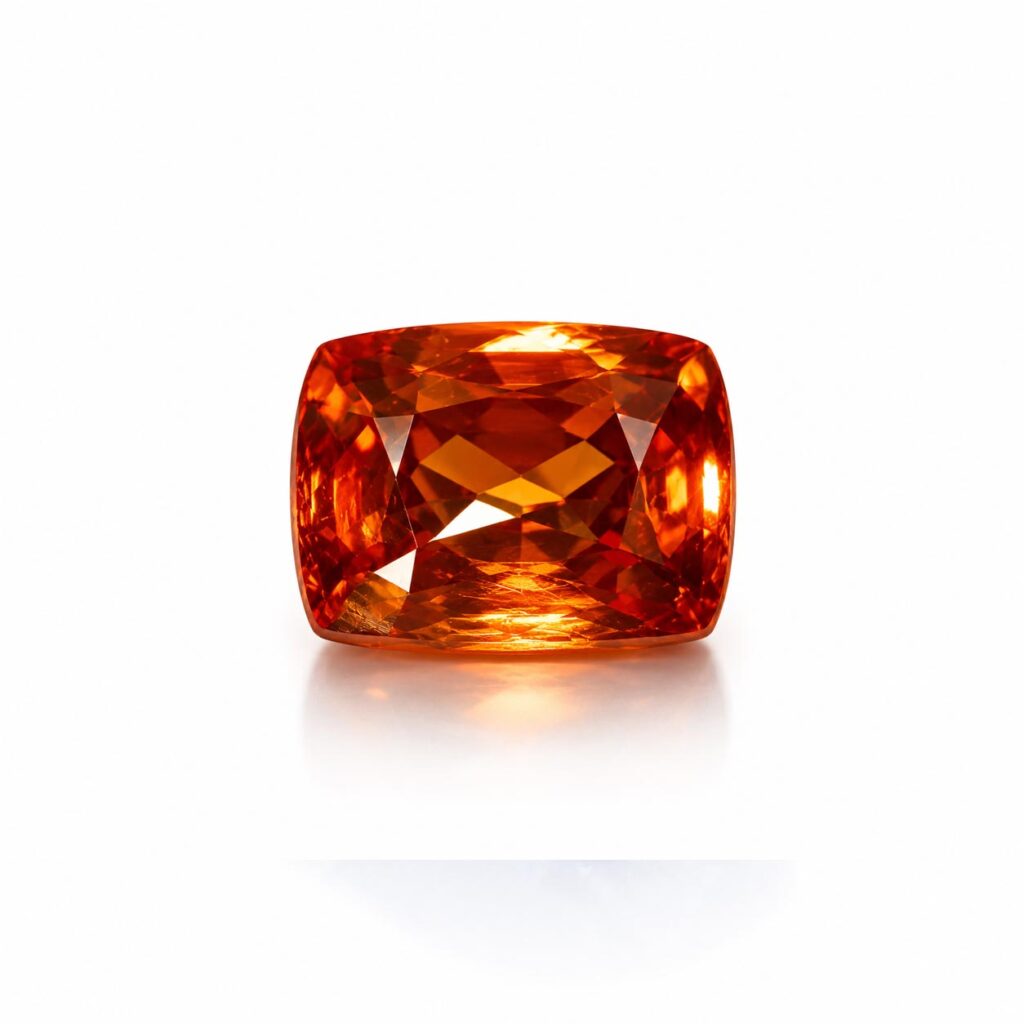
Value: cannot be priced – only one specimen exists
Every other stone on this list is rare. Kyawthuite is not rare. Kyawthuite is unique. There is exactly one specimen of this mineral species known to exist anywhere in the world: a single 1.61-gram crystal, found in Mogok, Myanmar, currently housed in the collection of the Natural History Museum of Los Angeles County.
Kyawthuite was formally recognised as a new mineral species by the International Mineralogical Association in 2015. It is a bismuth antimonate – its full chemical name is bismuth antimony oxide – and the combination of conditions that produced this single crystal is so specific, so unlikely, that no geologist believes another specimen will be found.
You cannot buy it. You cannot find another one. You cannot commission a search for it. It exists as the definitive answer to the question: what is the rarest gemstone in the world?
Every other stone on this list – the pink diamonds, the Kashmir sapphires, the imperial jadeite – can theoretically be acquired if you have sufficient resources. Kyawthuite cannot. It belongs to a museum, which is the only appropriate place for the only example of a mineral species ever recovered from the earth.
What These Stones Tell Us
The stones on this list are not just expensive. They are records – of geological time, of human history and of extraordinary luck colliding with extraordinary conditions.
The Sunrise Ruby took hundreds of millions of years to form under specific pressure and temperature conditions inside the earth, was mined from a remote Burmese valley, survived the gem trade intact without heat treatment, and eventually ended up behind glass in Geneva. The Hope Diamond crossed oceans, changed hands through royalty and revolution, was stolen, lost, found and donated. The single crystal of kyawthuite was produced by a geological event so improbable that it happened once in the entire history of the planet.
Whether you approach gemstones as a collector, an investor, or simply someone who finds beauty and meaning in rare things, these stones represent something that cannot be manufactured, cannot be replicated and cannot be rushed. They are genuinely, irreplaceably, extraordinary.
Frequently Asked Questions
What is the most expensive gemstone in the world?
By auction record, the CTF Pink Star diamond holds the record at $71.2 million. By price per carat, blue diamonds have achieved up to $3.93 million per carat. But for pure rarity, kyawthuite – of which only one specimen exists – has no price because it is not available for sale.
Is diamond the rarest gemstone?
No. Diamonds are among the most heavily marketed gemstones in the world, but they are not exceptionally rare. Red beryl, musgravite, grandidierite and painite are all significantly rarer than diamond. Red diamonds are an exception within the diamond family – truly rare stones – but colourless and near-colourless diamonds are mined in very large quantities annually.
What gemstones are good investments?
Gemstones are illiquid assets and require specialist knowledge to buy and sell. That said, historically strong performers include no-heat Burmese rubies, Kashmir sapphires, Colombian emeralds (no oil treatment), Brazilian Paraíba tourmalines and pink diamonds from Argyle. Always obtain independent laboratory certification (GIA, AGL, Gübelin or SSEF) before any investment purchase. For a full guide to gemstone investing, see our complete buying guide at GemGuideBook.
Where can I learn more about gemstones?
For in-depth guides on individual gemstones, what to look for when buying, how to spot fakes and how to understand gemstone value, visit GemGuideBook.com – your complete resource for gemstone education.
All price data reflects publicly available auction results and trade estimates. Gemstone values fluctuate based on market conditions, treatment disclosure, and individual specimen quality. Always obtain independent certification before purchasing any significant gemstone.