
Should You Still Hold Gold in 2026
Gold has had a remarkable few years. After sitting quietly in many portfolios for a decade, it roared back into the conversation — and investors around the world are now asking the same simple question: is gold still worth holding in 2026?
We recently came across a conversation between two seasoned investors that tackled this question head on, and the answers were worth sharing. Whether you collect gemstones, trade precious metals, or simply want to protect what you have built, this guide cuts through the noise — written from the perspective of someone who watches both the precious metal and coloured gemstone markets closely.
over long periods
allocation to gold
gold must beat
in 2026
What Makes Gold Different From Every Other Form of Money
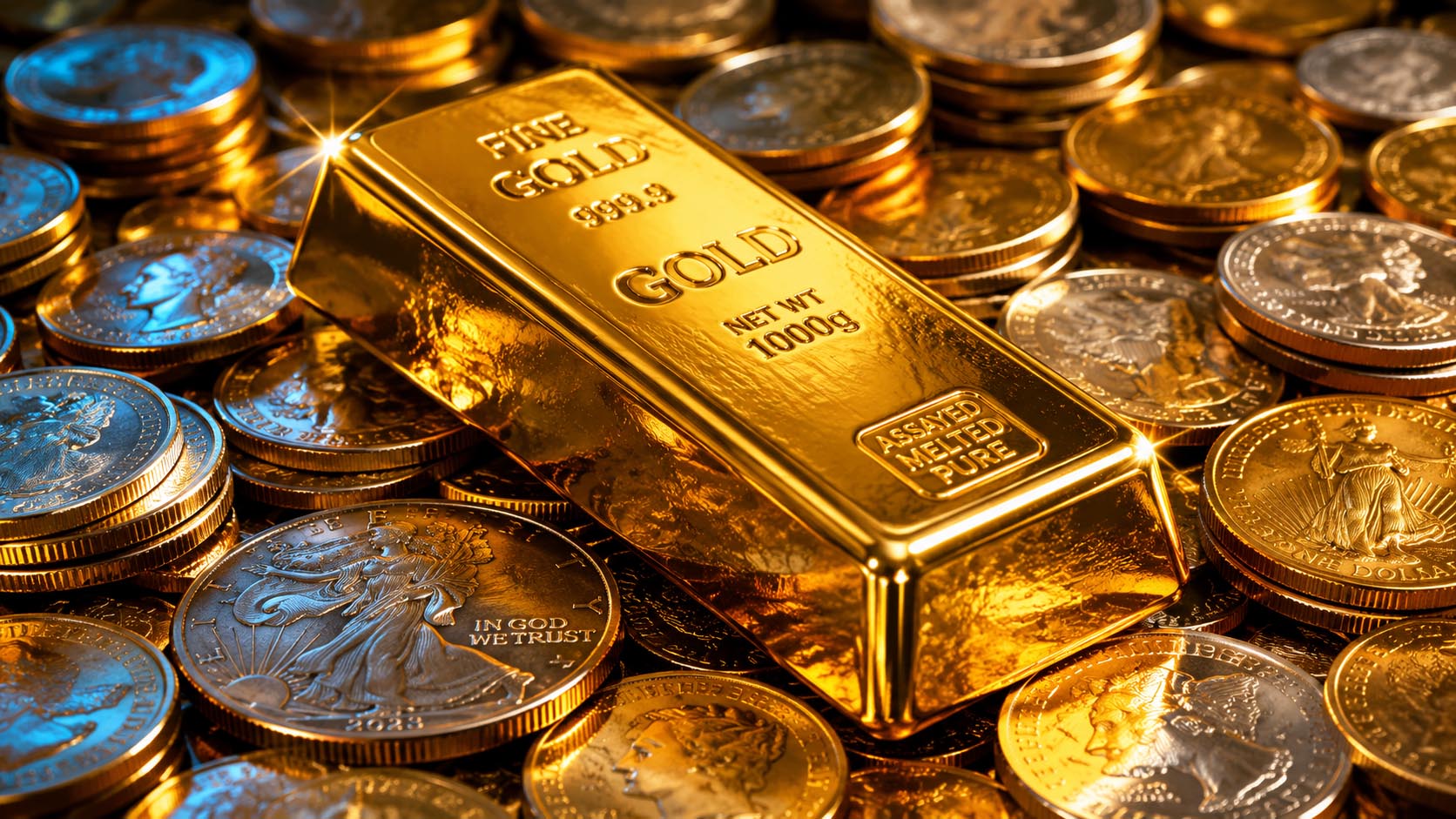
Most people understand that gold holds value, but fewer think carefully about why. Every other form of money depends on someone giving you something in return. Your dollars, your pounds, your bonds, even your bank deposits — they all carry a promise attached. Gold does not. When you hold physical gold, you hold the thing itself, not a claim on the thing.
This makes gold genuinely unique when it comes to what investors call confiscation risk. Governments can freeze accounts. Currencies can be devalued overnight. Bonds can default. But physical gold sits outside the financial system in a way that nothing else quite does. That is not a conspiracy theory — it is just the practical reality of what gold is.
Fascinating Fact
All the gold ever mined in human history would fit into a cube roughly 22 metres on each side. Unlike paper money, no government can authorise more of it to be produced. That physical limitation is the foundation of its enduring value across every culture and century of recorded history.
Of course, no investment is without risk. Even gold faces potential threats. Major new discoveries have historically pushed its value down. And there are long-term questions about whether technology could ever replicate gold the way lab-grown diamonds have disrupted the diamond market. These are real risks worth knowing about, even if they remain distant for now.
The Historical Trap Every Investor Needs to Understand
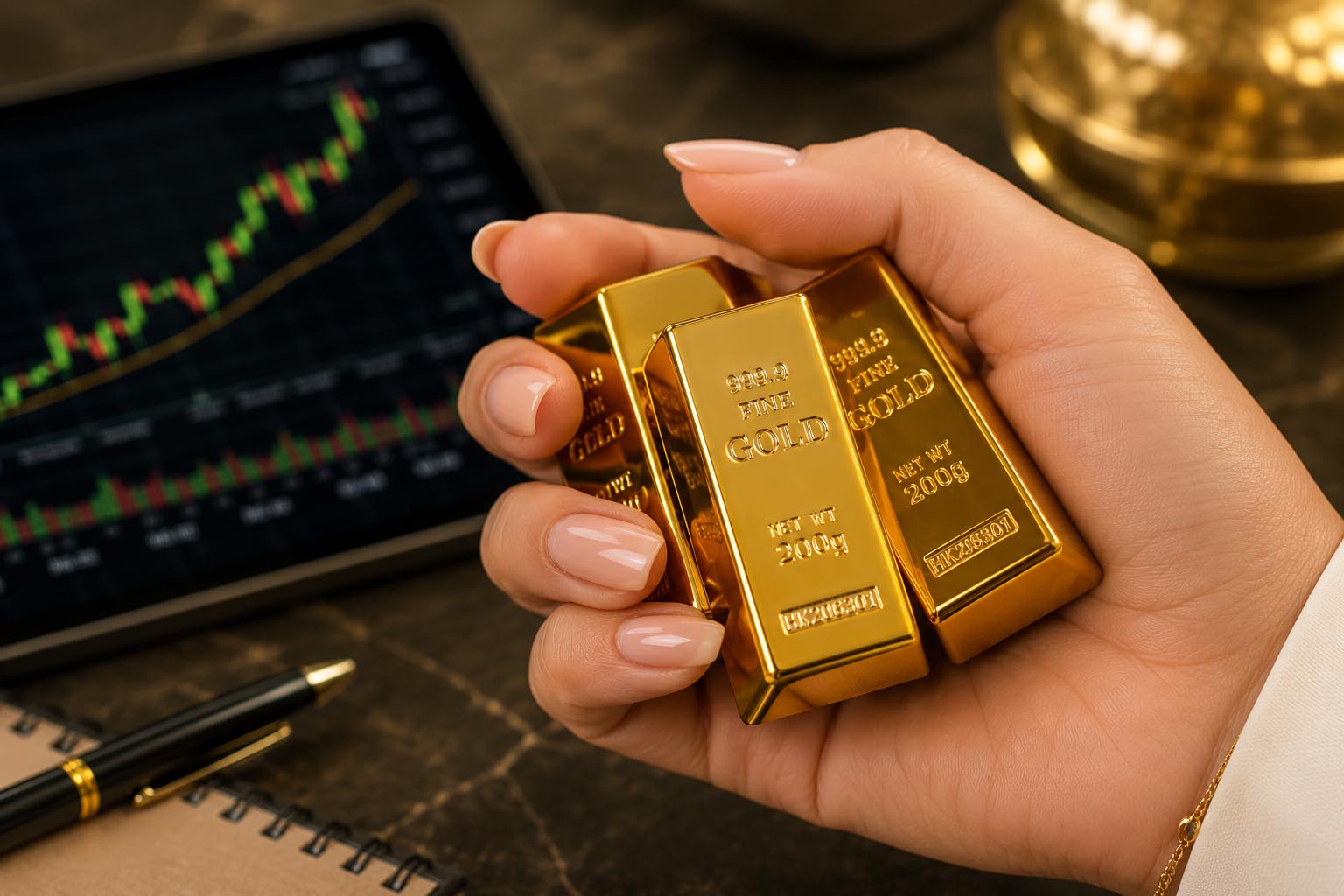
Here is something that has caught investors out for centuries, and it is still happening today. Whenever there is a fiat currency that is easy to print, people face a tempting offer: put your wealth into a promise to get gold back, and we will pay you an interest rate for it. Sounds reasonable. Why hold gold with no yield when you can hold a bond that pays four percent a year?
The problem is that what you are being paid for is credit risk. You are lending your trust to the institution promising to deliver. Throughout history, those promises have broken down repeatedly. The interest rate is compensation for that risk — not a sign that the deal is good.
“Money is debt and debt is money. When you hold your money in most instruments, you are holding a debt instrument. If that debt gets devalued, you are going to be sorry.”
Expert Insight
Today the same logic applies to bonds, treasuries, and most financial instruments. With governments across the US, UK, France, and China currently producing record levels of debt, the argument for holding real assets over paper promises has rarely been stronger. This is not a fringe view — it is the conclusion of some of the most respected macro investors in the world.
Gold vs Bonds in 2026: The Simple Maths
If US dollar bonds are currently offering around four percent per year, does it make sense to hold gold instead? The honest answer comes down to whether you believe gold will appreciate by more than four percent over your holding period. If it does, gold wins. If it rises by less, the bond wins. Simple as that.
| Asset | Yield / Return | Key Consideration |
|---|---|---|
| US Treasuries | ~4% per year | Carries credit risk; return denominated in devaluing fiat currency |
| Swiss Francs | Very low | Low yield but currency considered more stable than USD |
| Physical Gold | 0% yield | No counterparty risk; wins if appreciation exceeds bond yield |
| Gold (long-run avg) | ~1.2% real | Modest return but powerful diversification in crises |
But that comparison only makes sense if you are approaching this as a market timing exercise — and most investors, even experienced ones, should not be doing that. The more important question is what the right long-term allocation looks like for your overall portfolio.
Key Takeaway
5% – 15%
Experts consistently recommend that most individual investors hold between 5% and 15% of their portfolio in gold or a gold-equivalent alternative money — even after significant recent price appreciation. The question is not timing. It is allocation.
Two Ways to Think About Gold in Your Portfolio
The conversation made a clear and useful distinction that a lot of financial commentary misses entirely.
1. Strategic Allocation — The Base Case
Most investors should not be trying to time the market. Gold has a natural place in any well-structured portfolio because it behaves differently from everything else — rising when paper assets suffer most. This is why many cultures around the world, including Indian families who have held gold across generations, have traditionally kept a portion of their wealth in physical gold. It is not speculation. It is sensible wealth preservation.
Gold is a low-returning asset over long stretches of time, with approximately 1.2% real annual return on average. That is modest. But when other parts of your portfolio are doing badly — in periods of money printing, stagflation, or debt crises — gold tends to do well. That diversification benefit is what earns it a permanent seat at the table.
2. Tactical Positioning — The Active View
Then there is the second question: given where we are right now, does it make sense to hold more gold than usual? The investor in the conversation was honest that this is market timing and should be approached carefully. But his view was clear. Too much debt is being created across too many major economies. That makes him prefer gold over fiat currencies on a tactical basis right now — not just as a strategic holding.
Did You Know?
Market timing is the enemy of most investors. Even professional fund managers consistently underperform simple index strategies over long periods. Always establish your base strategic allocation first — then ask whether a tactical adjustment is warranted. Never approach it the other way around.
What This Means for Gemstone Collectors and Alternative Asset Investors
If you follow gemstones as an investment, much of this conversation will feel familiar. The same arguments made about gold apply to high-quality natural gemstones in their own way. Sapphires, rubies, and fine coloured stones are also physical assets that sit outside the banking system. They cannot be printed. They carry no counterparty risk. And like gold, they have held value across centuries of history.
| Asset Type | Shared Strength | Key Difference |
|---|---|---|
| Physical Gold | Cannot be printed; no counterparty risk | Highly liquid; globally standardised |
| Fine Sapphires | Cannot be printed; finite supply | Higher appreciation potential; requires expertise |
| Combined Approach | Best of both worlds | Liquidity + rarity premium |
“Unheated royal blue sapphires represent one of the last genuinely finite luxury commodities. Unlike diamonds, no major new deposits have been discovered. Supply is only decreasing.”
The difference is that gemstones are far less liquid than gold and require specialist knowledge to evaluate properly. But the underlying principle — holding real, tangible, finite assets rather than promises and paper — is exactly the same. For collectors who already think this way, the current environment is a reminder that you are in very good company philosophically.
Common Questions About Holding Gold in 2026
Has gold already gone up too much to buy now?
This is the wrong starting point. Rather than asking whether gold has already risen, ask whether you have the right amount in your portfolio for your personal situation. If you hold none or very little, you may still be underexposed regardless of recent price moves. Allocation comes before timing.
Does gold pay an income?
Physical gold does not pay interest or dividends. Some products like sovereign gold bonds in India offer a yield, but what you are earning there is credit risk compensation — not a true gold return. The income comes with strings attached. If you want pure gold exposure, hold the physical metal or a physically-backed ETF.
What is the biggest long-term risk to gold?
Two risks were highlighted: a major new discovery of gold deposits that significantly increases supply, and the theoretical possibility of replicating gold synthetically — the way lab-grown diamonds have disrupted the diamond market. Both remain distant. Every form of money carries analogous risks; no asset is completely risk-free.
Is gold better than gemstones as an investment?
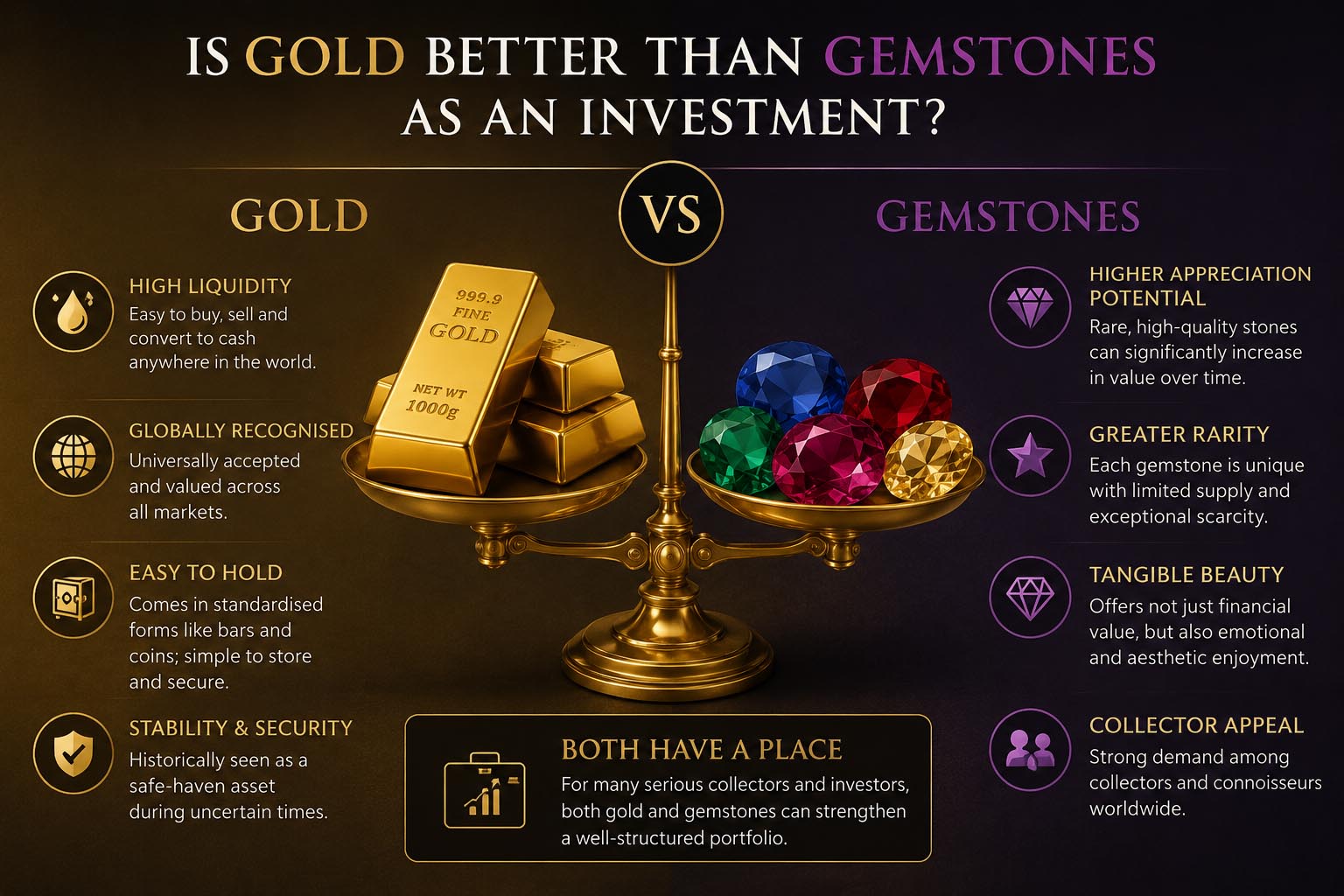
They serve different purposes. Gold is highly liquid, globally recognised, and easy to hold in standardised form. Gemstones offer potential for higher appreciation, greater rarity, and a different kind of tangible beauty. For many serious collectors and investors, both have a place in a well-structured portfolio.
Final Thoughts: Is Gold Worth Holding in 2026?
Gold remains a fundamentally sound part of a well-structured portfolio. Not because of market timing or short-term price predictions, but because of what gold actually is at its core: real, finite, portable, and beholden to nobody.
The key is always the same: understand what you are actually holding, know the difference between gold and a promise to deliver gold, and let allocation — not market timing — drive your decision. A properly sized gold position will serve you well across a range of economic outcomes, and that is a genuinely reassuring thing to hold in a world where debt is growing faster than anyone is comfortable admitting.
“The finest stores of wealth do not compete with paper assets. They occupy their own category entirely — one that rewards knowledge, patience, and a clear understanding of what money actually is.”
Whether you are building your first serious portfolio or adding to an existing collection of tangible assets, the principles in this guide will serve you well. Gold has been a reliable store of value for millennia — that is not a trend, it is a geological and human constant.
Looking to Explore Gemstones as Alternative Assets?
Choose certified, ethically sourced natural sapphires and coloured stones with complete transparency.
Visit airagems.com and shop with confidence.
About the Author
Written by a gemstone trader with first-hand experience sourcing sapphires from Sri Lanka, Madagascar, and the UK trade. For more in-depth gemstone and investment guides, explore GemGuidebook.com.