
Colombian Emeralds: A Gemstone of Prestige and Contradiction
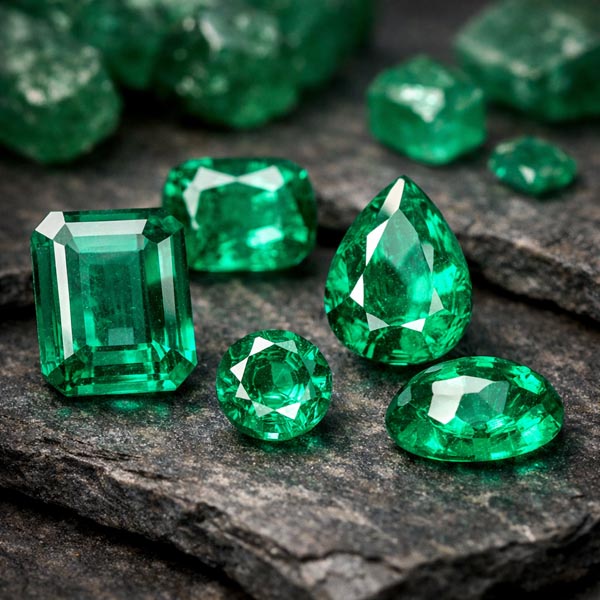
Colombian emeralds are among the most admired gemstones in the world. Celebrated for their vivid green color, exceptional transparency, and rarity, they are favored by collectors, luxury jewelers, investors, and celebrities alike. From red carpets to private vaults, these gems have become symbols of elegance and wealth.
 Yet behind their glamour lies a far more complex story.
In Colombia, the emerald trade is closely tied to danger, secrecy, cash transactions, and informal supply networks. From the legendary mines of Muzo to private buyers in Europe and Asia, the path of an emerald is not always straightforward. While the official trade supplies the global luxury market, a parallel system continues to thrive in the shadows.
This article explores the fascinating and troubling reality behind Colombian emeralds: their origin, their value, their journey through the market, and the risks that surround them.
Why Colombian Emeralds Are So Valuable
Colombia is widely regarded as the most important source of fine emeralds in the world. The country has long been associated with the highest-quality material, producing stones prized for their saturated green color, lively brilliance, and distinctive character.
The town of Muzo, in northern Colombia, is often called the world capital of emeralds. A large share of the finest stones on the international market comes from this region. Buyers from Hong Kong, Monaco, Paris, New York, and other luxury centers seek Colombian emeralds because of their strong reputation and enduring demand.
Several factors contribute to their high value:
1. Exceptional Color
The finest Colombian emeralds display a rich, vibrant green that is difficult to match. Color remains the most important factor in emerald pricing.
2. Geological Rarity
High-quality emeralds are rare by nature. Stones with good clarity, strong saturation, and attractive cut command premium prices.
3. Global Demand
Luxury consumers, investors, and jewelers continue to compete for fine stones, especially those with Colombian origin.
4. Unique Varieties
Colombia is also famous for trapiche emeralds, rare stones with a star-like or wheel-shaped internal pattern. These unusual emeralds are considered highly collectible and are strongly associated with Colombian deposits.
The Emerald Trade in Bogotá
Bogotá is one of the main commercial hubs of the Colombian emerald business. In parts of the city, traders gather openly to buy and sell stones, often carrying emeralds wrapped in tissue paper and negotiating directly on sidewalks or in tightly controlled trade offices.
Transactions can move quickly. Prices are discussed face to face, and deals are often settled in cash, sometimes with little visible paperwork. Buyers range from local dealers to international traders sourcing stones for private clients, jewelry houses, and resale in Europe or Asia.
This kind of trade environment reveals one of the defining features of the emerald business: it is highly relationship-driven. Trust, reputation, and access matter as much as gemological knowledge. A newcomer cannot simply walk into every trading space, especially when the stones involved are worth tens or hundreds of thousands of euros.
Muzo: The Heart of the Colombian Emerald Industry
To understand Colombian emeralds, one must understand Muzo.
Surrounded by rugged hills and mining operations, Muzo is home to some of the world’s most celebrated emerald deposits. The region has built its global reputation on the purity and beauty of its stones. But it also remains a place shaped by risk, tight security, and economic inequality.
The local market operates every weekend, where buyers and sellers gather to trade stones in public. Negotiations are fast, emotional, and entirely cash-based. Prices have risen sharply as international demand has grown, especially for clean, richly colored material.
At the same time, Muzo is not only a marketplace. It is a mining town where fortunes are made by a few, while many others struggle to survive at the margins of the industry.
Life Inside an Emerald Mine
Emerald mining in Colombia is physically demanding and dangerous. Miners work underground in narrow tunnels, often for long hours in heat, dust, and low-oxygen conditions. They drill through rock, remove rubble manually, and sometimes use dynamite to advance deeper into the mountain.
The working conditions described in the transcript show the harsh reality of extraction:
- underground passages can be unstable
- landslides are a real threat
- miners depend on both fixed wages and production-based bonuses
- months may pass without a meaningful find
For many workers, mining is not a chosen profession but an economic necessity. Young men often enter the mines because they have few other options, especially in poorer rural areas.
This contrast is one of the most striking aspects of the emerald trade: stones that later appear in luxury jewelry often begin their journey in hazardous environments where workers earn very little.
The Guacheros: Searching for Emeralds in Mine Waste
One of the most dramatic parts of the Colombian emerald economy exists outside the formal mine itself.
Around mining areas, men and women known as guacheros wait for trucks carrying discarded rubble. Once the loads are dumped, they rush in to sift through the debris in hopes of finding tiny emerald fragments overlooked during extraction.
For some, this has been a way of life for decades.
Their finds are usually very small and may sell for modest amounts, sometimes just enough to cover food or daily expenses. Yet these fragments can later become far more valuable once they reach buyers, cutters, and jewelry markets.
This informal scavenging economy highlights the imbalance within the gemstone trade. At one end, a rough shard may be sold for a few euros. At the other, a polished emerald set in jewelry may sell for hundreds or thousands.
Cash, Secrecy, and Security in the Emerald Business
The emerald trade described in the transcript is dominated by cash transactions and strict security practices. Traders travel with bodyguards. Mine owners move under armed escort. Private auctions are guarded heavily. Buyers and sellers are cautious around cameras and outsiders.
This atmosphere is driven by several realities:
- emeralds are small, portable, and extremely valuable
- large sums of money move quickly
- theft is a constant concern
- trust is often personal, not institutional
High-value lots can be sold privately for millions. In one case described in the transcript, a large parcel of emeralds weighing several kilograms was auctioned among elite mine owners and buyers in a heavily protected setting. Once cut and prepared for the luxury market, such material could multiply in value.
This system makes emerald trading highly profitable, but it also creates ideal conditions for underreporting, undeclared transport, and tax evasion.
Smuggling Colombian Emeralds Into Europe
One of the most troubling aspects of the story is the movement of emeralds across borders without proper declaration.
According to the transcript, some traders transport valuable stones personally, concealing them in clothing or pockets while presenting low-value goods in luggage with invoices. The goal is simple: avoid import taxes and customs scrutiny.
For example, cut emeralds with significant market value may be carried discreetly into France, where they can then be sold privately to buyers, investors, or jewelers. If declared properly, these stones may be subject to substantial tax. Avoiding declaration increases profit margins but turns the transaction into illegal smuggling.
This underground route is attractive because emeralds are compact, easy to conceal, and difficult for non-specialists to value at a glance.
Emeralds as an Investment Asset
Beyond their use in jewelry, Colombian emeralds are increasingly promoted as an investment.
This is especially true for fine stones with:
- strong Colombian origin
- good clarity
- desirable color
- high carat weight
- attractive shape or cutting potential
Some buyers view emeralds as a portable store of wealth. Compared with larger physical assets, gemstones are easy to transport, discreet to store, and globally recognized. This has encouraged a growing class of private investors interested in precious stones.
However, gemstone investment is far from simple.
Unlike standardized assets, emerald value depends on multiple variables: origin, treatment, color, inclusions, transparency, cutting quality, certification, and market timing. Liquidity can also vary widely. A stone may be worth a great deal on paper but still require the right buyer to realize its full price.
The Gap Between Rough Price and Retail Price
The transcript repeatedly shows how dramatically emerald values can increase from source to final sale.
A rough stone bought in Colombia may later be:
- cleaned and sorted
- cut or recut
- certified
- transported internationally
- sold to a dealer, jeweler, or investor
- mounted into fine jewelry
At each stage, the value rises.
This pricing ladder explains why traders accept risk. A parcel purchased for tens of thousands of euros in Colombia may be worth much more once cut and offered in Europe or Asia. A fine gem can increase significantly in value after proper cutting, and exceptional stones may command premium prices in high-end jewelry markets.
The Ethical Questions Behind Colombian Emeralds
Colombian emeralds are extraordinary gemstones, but the trade raises important ethical questions.
Consumers and collectors should consider:
- Where did the stone come from?
- Was it mined under safe and fair conditions?
- Was it declared and traded legally?
- Is there reliable documentation of origin and ownership?
- Has the stone been certified by a respected gemological laboratory?
These questions matter because beauty alone does not tell the full story of a gemstone. Provenance, legality, and transparency are becoming increasingly important for buyers who want confidence in what they purchase.
Final Thoughts
Colombian emeralds remain some of the most beautiful and desirable gems on earth. Their color, rarity, and prestige continue to captivate the global market. From Muzo’s mines to elite buyers in Monaco, Paris, Hong Kong, and beyond, these stones travel through a world where luxury and hardship exist side by side.
But the emerald trade is not only about elegance and investment. It is also about risk, inequality, informal commerce, and hidden networks that operate beyond the polished surface of the gemstone industry.
For gem enthusiasts, this reality makes Colombian emeralds even more fascinating. They are not merely precious stones. They are objects shaped by geology, human labor, commerce, and power.
To understand emeralds fully, one must look beyond their color and into the complex world that brings them to market.