
Andalusite Gemstone Guide: Prices, Quality, and Why This Rare Gem Is Worth Discovering
If you have never heard of andalusite, you are not alone. It is one of the most uncommon gemstones in the world, yet it offers a unique beauty that stands out from more popular stones. For anyone interested in rare gems, custom jewelry, or unusual color effects, andalusite is definitely worth a closer look.
This guide breaks down everything you need to know about andalusite in simple terms, including its price range, quality factors, durability, and how it is used in jewelry.
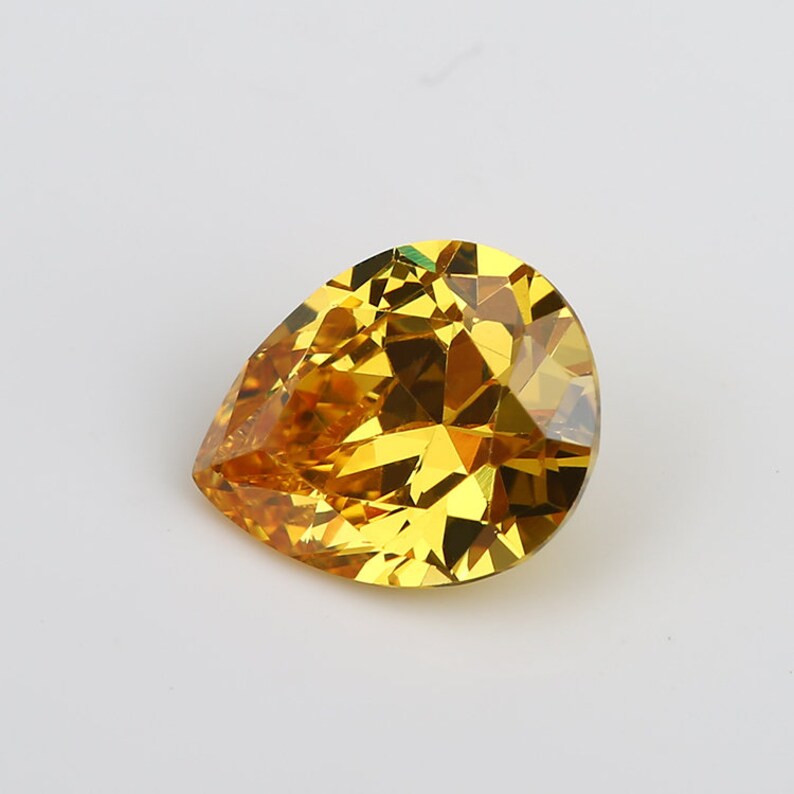
What Is Andalusite?
Andalusite is a natural gemstone known for its pleochroic properties. This means it can display multiple colors at the same time depending on how light hits it. In a single stone, you may see shades of green, brown, and red blending together.??
This color-changing effect is what makes andalusite so special. Unlike many gemstones that show a single consistent color, andalusite offers a dynamic and earthy appearance that feels perfect for autumn-inspired jewelry.
Andalusite Price Guide
One of the most appealing aspects of andalusite is its affordability compared to other rare gemstones.
Here is a general pricing overview:
- Low quality stones can start around $200 per carat
- Good quality stones typically range between $300 and $600 per carat
- Higher quality stones with better transparency and color can go above this range
- Large stones between 5 to 10 carats can become significantly more expensive due to rarity While it is not considered a luxury-priced gemstone like spinel or sapphire, it sits slightly above entry-level stones such as amethyst, garnet, or peridot. For the best balance of quality and value, it is often recommended to stay within the $400 to $500 per carat range.
Understanding Andalusite Quality
When buying andalusite, clarity and transparency are important, but they are not perfect in most cases.
Common characteristics include:
- Opaque or semi-translucent appearance
- Visible inclusions such as rutile needles
- Veil-like patterns or internal lines
These inclusions are natural and expected. Even higher quality stones can contain visible internal features. Unlike diamonds or topaz, where clarity is a major value factor, andalusite is appreciated for its natural look and color play rather than perfection.
Is Andalusite Treated or Synthetic?
Andalusite is typically not treated. What you see is what naturally formed in the earth. There are no common heat treatments or enhancements used to improve its appearance.
In addition:
- Synthetic andalusite is very rare
- Imitations are uncommon due to the complexity of its color properties
- Other gemstones like tourmaline may look similar, but they are usually more expensive
This makes andalusite a reliable choice for buyers who want a natural and untreated gemstone.
Durability and Everyday Wear
Andalusite has a hardness of about 6.5 to 7.5 on the Mohs scale. This means it is reasonably durable but not as tough as diamonds or sapphires.
Important things to know:
- It is suitable for rings and jewelry with occasional wear
- It may not be ideal for everyday engagement rings
- The stone is somewhat brittle and can crack on impact
Hardness refers to scratch resistance, but brittleness refers to how easily a stone can break. Even though andalusite can resist scratches fairly well, it still needs protection from hard knocks.
Best Cuts and Shapes for Andalusite
Andalusite is often cut into elongated shapes. This is not random. Stone cutters shape it this way to highlight its natural color zoning.
Popular cuts include:
- Oval
- Elongated cushion
- Marquise
When choosing a shape, it is better to go for options with rounded corners. Sharp corners, like those in princess cuts, are more likely to chip or crack.
Jewelry Setting Tips
The way andalusite is set in jewelry can affect both its durability and appearance.
Here are a few tips:
- Choose protective settings that shield the edges of the stone
- Rounded shapes help reduce the risk of damage
- Bezel settings can be used, but they may reduce light entering the stone
- Ensure there is enough space underneath the stone to allow light through
Since andalusite relies heavily on light to show its color variations, the setting plays a key role in its final look.
Why Andalusite Is So Rare
Andalusite is not commonly used in jewelry, even though it is found in nature. A large portion of the material mined is not suitable for gemstones and is instead used in industrial applications such as heat-resistant materials.
High-quality gem-grade andalusite is difficult to find because:
- Most stones are too opaque
- Clean, transparent pieces are rare
- Larger stones with good color are even rarer
Because of this, sourcing a specific size or shape may take extra time, especially for custom jewelry.
Why Choose Andalusite?
If you are looking for something different from traditional gemstones, andalusite offers several advantages:
- Unique multi-color appearance
- Affordable compared to many rare gems
- Natural and untreated
- Rare and uncommon, making it a conversation piece
It is a gemstone that stands out quietly. Most people will not recognize it, which adds to its charm and exclusivity.
Andalusite is a hidden gem in the jewelry world. It may not have the fame of diamonds or sapphires, but it offers something just as valuable: individuality.
With its natural color shifts, earthy tones, and reasonable pricing, it is an excellent choice for anyone who wants a distinctive piece of jewelry that feels personal and unique.
If you are considering a custom design or simply exploring rare gemstones, andalusite is definitely worth adding to your list.