
Cambodia’s Hidden Gem Trade: Inside the Ruby and Sapphire Mines of Pailin
Tucked away in western Cambodia, near the Thai border, Pailin is a place many travelers overlook. Yet beneath its quiet surface lies a story shaped by gemstones, resilience, and tradition. Known for its rubies and sapphires, this region has transformed from a turbulent past into a small but thriving hub of local mining and craftsmanship.
Today, Pailin offers a unique glimpse into a lesser known side of the global gem trade. It is not driven by large corporations or industrial scale mining. Instead, it survives through small communities, skilled hands, and generations of knowledge passed down along the banks of the Pailin River.
Crossing from Thailand into Cambodia, the cultural shift is immediate. Pailin still carries a strong Thai influence. You can see it in the architecture, hear it in the language, and taste it in the food. At the same time, Theravada Buddhism blends with local traditions, spirit houses, and lively street rituals.
This mix of cultures creates a rhythm of life that feels both grounded and vibrant. Markets buzz with activity, while just a short distance away, the land reveals its hidden treasures.
Small Scale Mining Still Thrives
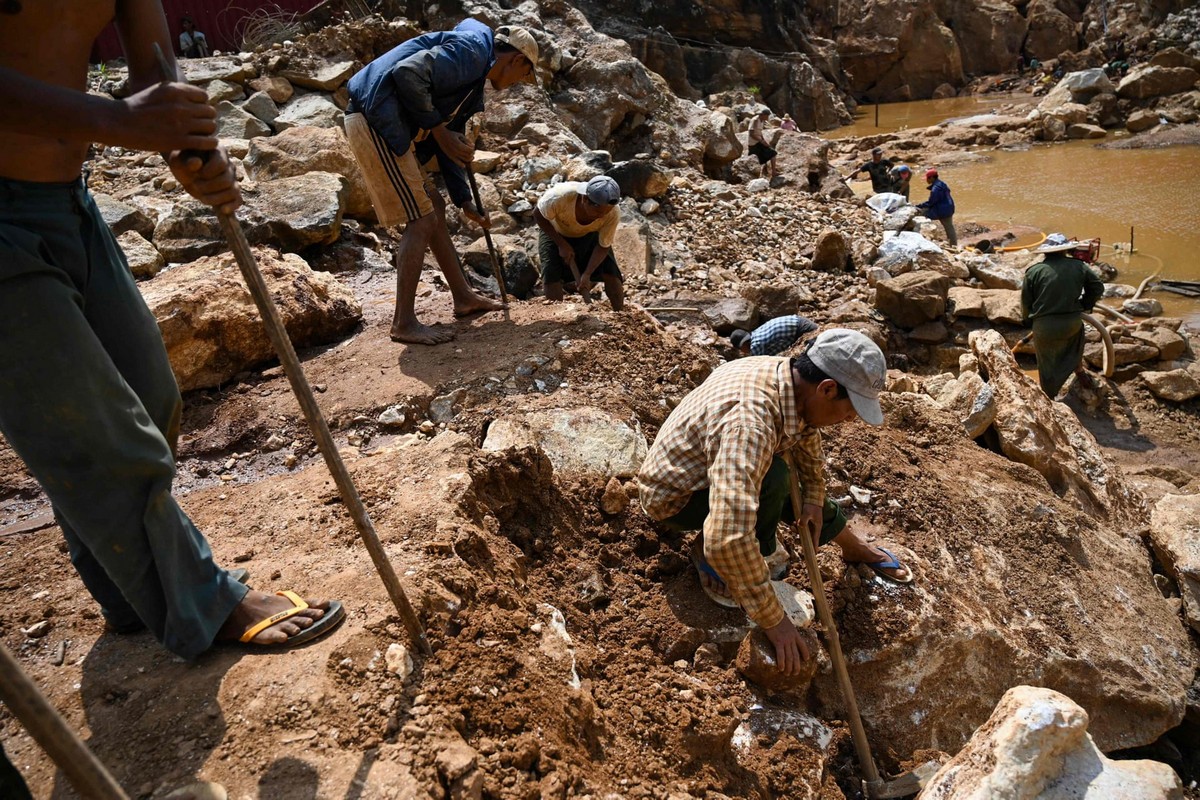
Unlike large mining operations found in other parts of the world, gemstone mining in Pailin remains simple and labor intensive. A short drive from town, followed by a walk through fruit orchards, leads to small alluvial mines.
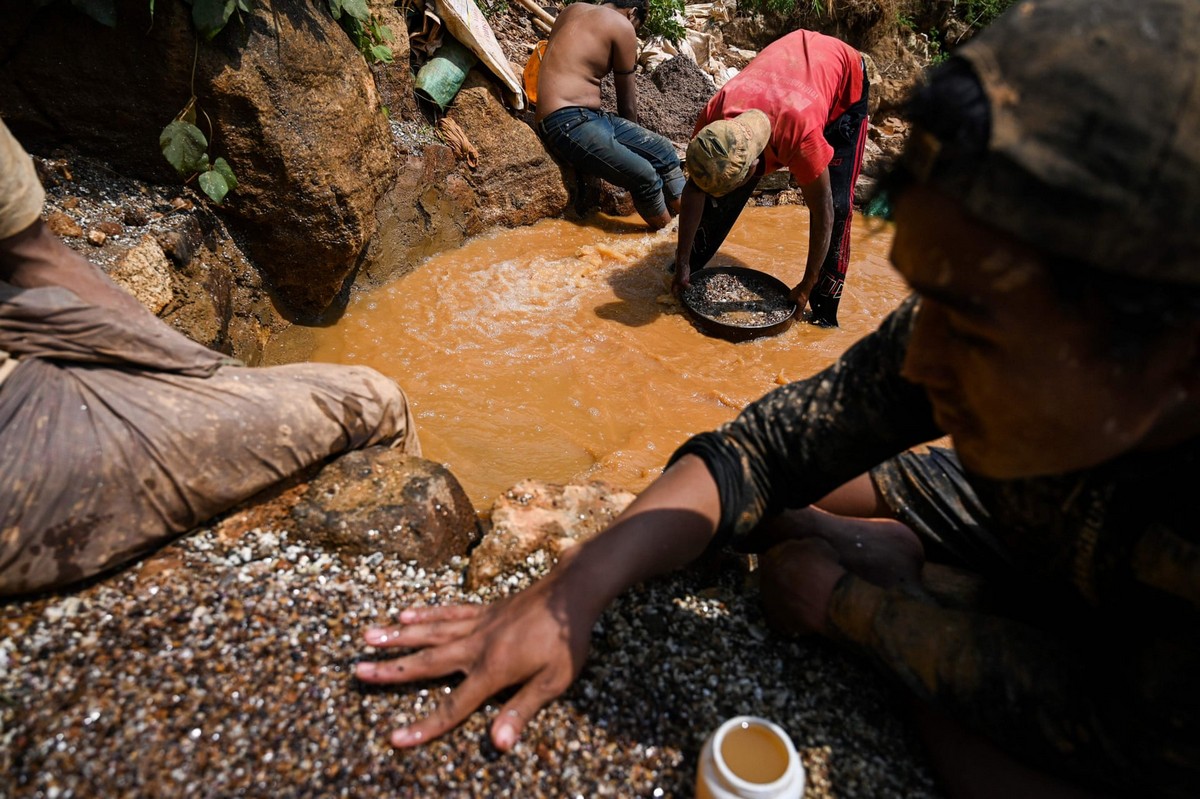
Here, miners work with gravel deposits in open pits. Their process is straightforward but effective:
- First, they wash clay from the gravel
- Next, they move the material to a washing basin
- Finally, they pan the remaining concentrate by hand to search for gemstones
This method has been used for generations. It relies more on patience and experience than on machinery.
The Pailin River’s Natural Gem Traps
The Pailin River plays a crucial role in gemstone discovery. During the rainy season, locals build simple traps along the river to slow down water flow.
These traps work based on density:
- Heavier gemstones like rubies and sapphires settle and get caught
- Lighter materials are washed away by the current
When the dry season arrives, miners return to collect and process the trapped gravel using traditional pans. It is a slow and physically demanding process, often requiring work between large river rocks and uneven terrain.
Traditional Techniques Meet Skilled Craftsmanship
Finding a gemstone is only the beginning. In Pailin, much of the value is added locally through skilled craftsmanship.
Small workshops can be found throughout the region where artisans cut and polish stones. Using Thai style hand tools, they transform rough material into finished gems. Each piece reflects both the quality of the stone and the skill of the cutter.
Beyond cutting, local workshops also produce finished jewelry. Some even use modern computer aided design tools to create detailed and contemporary pieces, blending tradition with innovation.
Heat Treatment and Hidden Processes
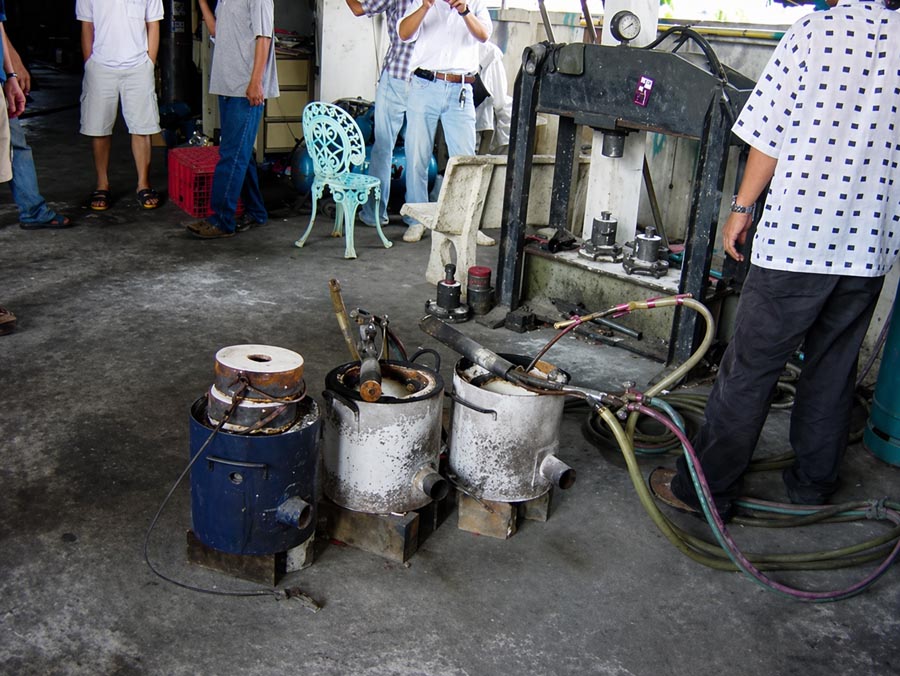
Another important step in gemstone preparation is heat treatment. Although often done behind closed doors, it is widely practiced in the region.
This process involves heating gemstones in gas furnaces at extremely high temperatures. The goal is to enhance color and clarity, making the stones more appealing in the market.
While simple in setup, this technique requires knowledge and precision. It is a key part of how Pailin’s gemstones compete on a global level.
A Modern Twist: Selling Gems Online
One of the most surprising aspects of Pailin’s gem trade is how quickly it has adapted to modern technology. Local dealers now connect with international buyers through social media and messaging platforms. Live video calls allow clients to view stones in real time, creating trust and expanding reach far beyond Cambodia.
This shift has opened new opportunities, especially for younger traders who are building global customer bases without leaving their hometown.
An Informal but Active Gem Market
Unlike structured gem markets found in major cities, Pailin’s trade is largely informal. You will often find brokers sitting in small roadside restaurants, casually showing stones to potential buyers. Shops line the streets with glass cabinets filled with gems from Cambodia, Thailand, and beyond. It is a relaxed and personal way of doing business, where relationships and trust play a major role.
What makes Pailin truly special is not just the rubies and sapphires. It is the story behind them. This region was once marked by conflict, yet today it stands as a symbol of resilience. The gemstone industry here is not about scale or speed. It is about survival, tradition, and rebuilding livelihoods. Every stone carries a piece of that history. From the gravel beds of the river to the hands of local artisans, each gem reflects patience, effort, and hope for the future.
Why Pailin Matters Today
Pailin may not be the most famous gemstone destination in the world, but it offers something rare. It shows how a small community can preserve tradition while adapting to change. For travelers, gem enthusiasts, or anyone curious about hidden industries, Pailin reveals a side of Cambodia that is both authentic and inspiring.
Beneath its soil and riverbeds lies more than beauty. It holds stories of endurance and quiet determination. And through the people who continue this craft, those stories are still being written.