
The Truth About Opals: Why Some Are Worth Thousands
Opals have always had a bit of mystery around them. One look at that shifting rainbow of colors and it is easy to see why people fall in love with this gemstone. But here is the thing most buyers do not realize: not all opals are the same. Some are worth a few hundred pounds, while others can sell for tens of thousands.
If you are thinking about buying an opal, or just curious why they vary so much in price, this guide will break it down in plain English.
What Makes Opals So Unique?
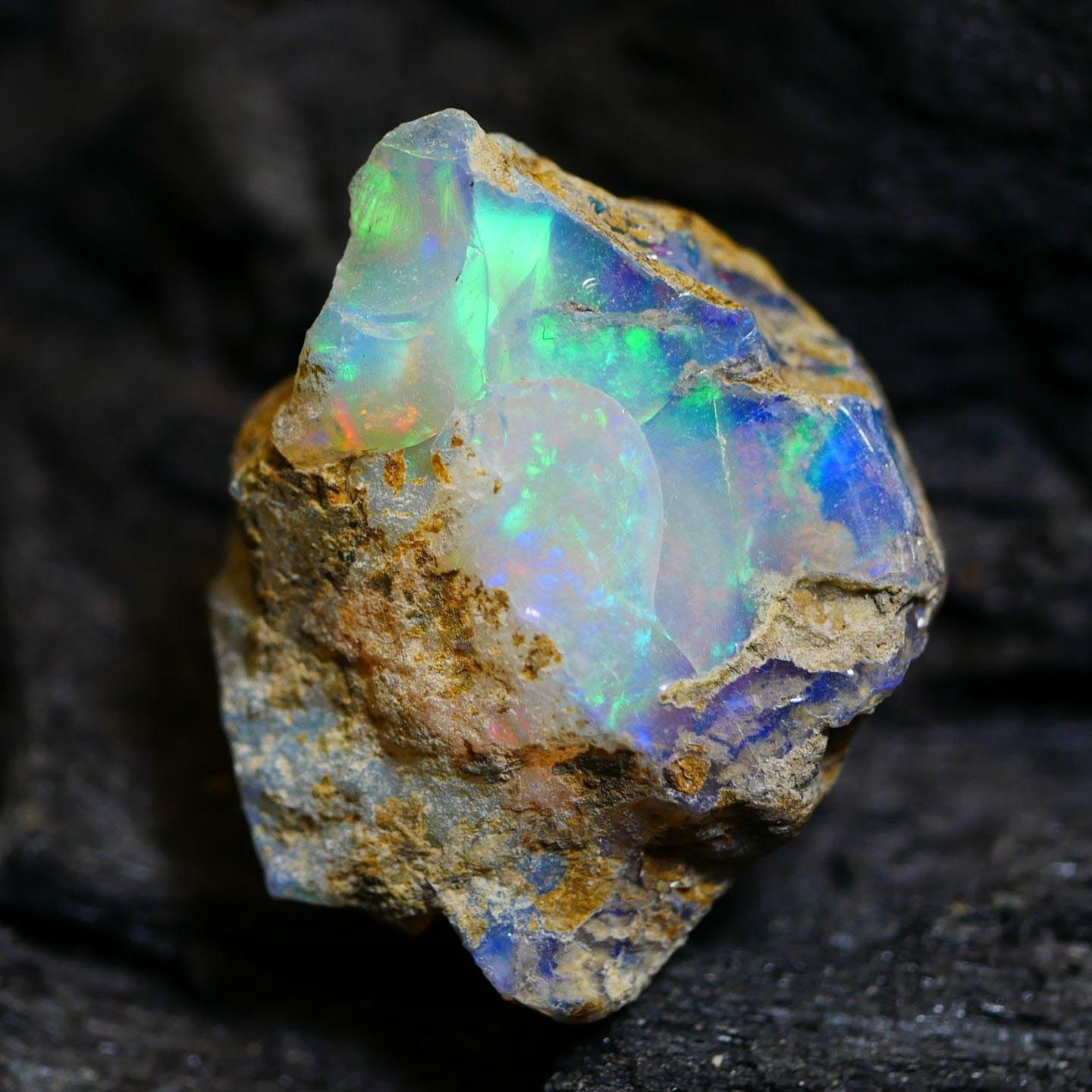
Unlike most gemstones, opals are not crystals. They are made of tiny spheres of silica stacked together in a random pattern. When light hits these spheres, it bends and creates that famous rainbow effect known as play of color.
I. The size of these silica spheres determines the color you see:
II. Smaller spheres produce blues and greens
III. Larger spheres create oranges and reds
Red is the rarest and most valuable color in opals. That is why stones with strong red flashes can cost significantly more.
Precious Opal vs Common Opal
Not every opal has that rainbow sparkle.
- Precious opal: Shows play of color
- Common opal: No color play, just a solid color
Common opals can still be beautiful, especially in soft pastel shades like pink, blue, or green. They are simply less rare and more affordable.
Why Opals Are Usually Smooth and Rounded
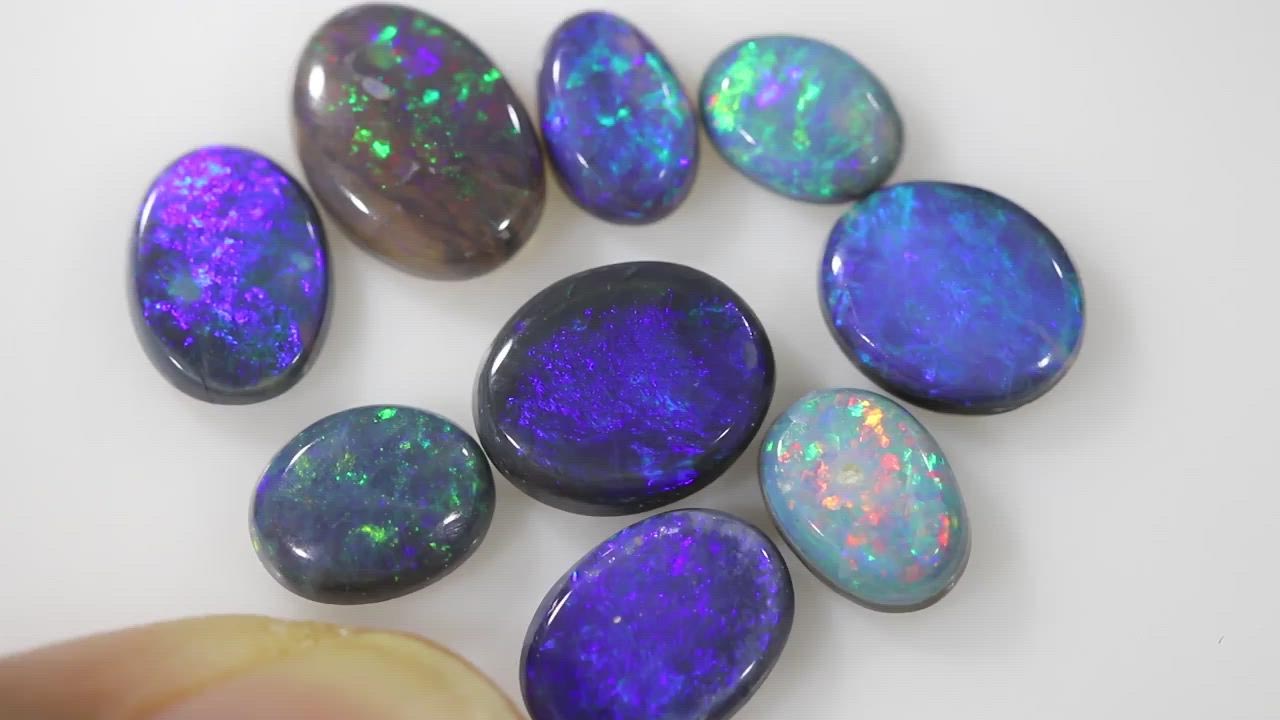
Most opals are cut into a rounded shape called a cabochon. This is not just for style.
A smooth surface helps show off the color play clearly. If opals were cut with sharp facets like diamonds, the light would scatter too much and dull the effect.
Are Opals Fragile?
Opals are softer than gemstones like diamonds or sapphires. They sit around 5.5 to 6.5 on the Mohs hardness scale.
That does not mean they are too delicate to wear. High quality opals can still be used in rings, earrings, and pendants if set properly.
Tips for durability:
- Choose thicker stones rather than thin slices
- Use protective settings like bezels
- Avoid rough daily wear if possible
The Main Types of Opals (And What They Cost)
1. Black Opal – The Most Valuable
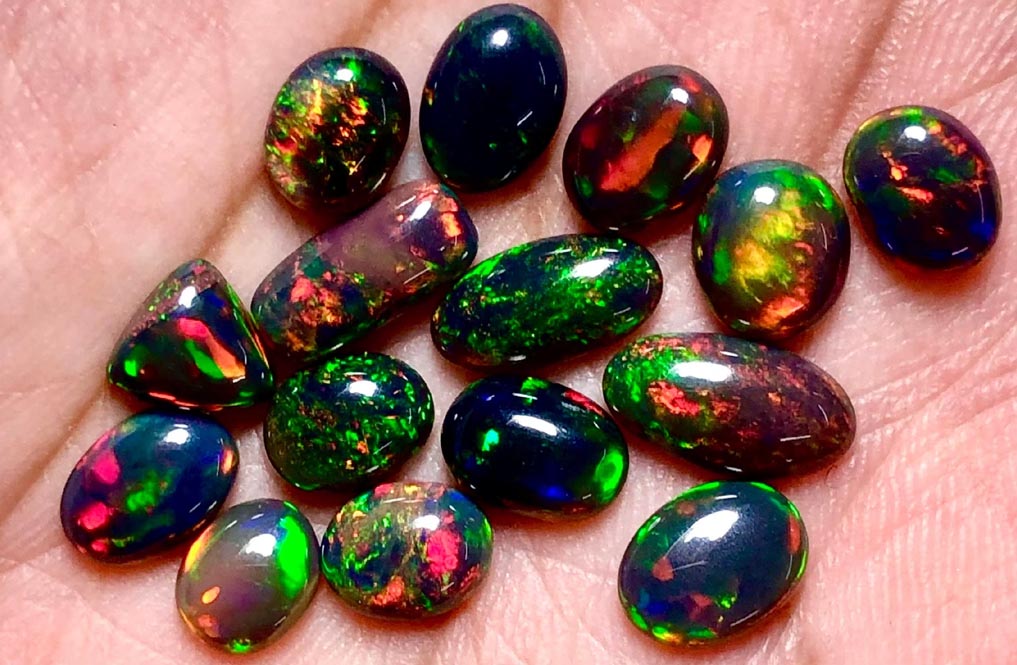
Black opals are the rarest and most expensive type. They usually come from Australia and have a dark body tone that makes the colors appear more vibrant.
Why they are expensive:
- Strong contrast makes colors pop
- Rare patterns like harlequin or large flashes
- Red and orange colors increase value dramatically
Typical price range:
- £1,500 to £6,000 for good quality stones
- £10,000+ for collector pieces
2. White Opal – Soft and Affordable
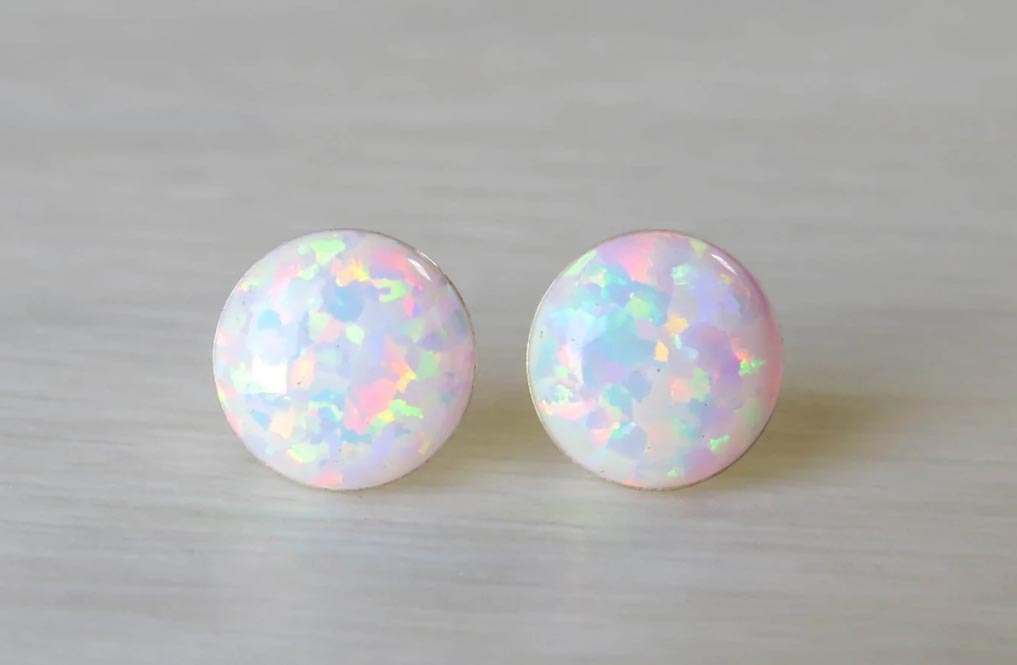
White opals have a light background, so their colors appear more subtle and pastel.
They are a great choice for everyday jewellery.
Typical price range:
- £400 to £1,000 depending on size and color
Tip: Australian white opals are generally more stable than Ethiopian ones, which can change color over time.
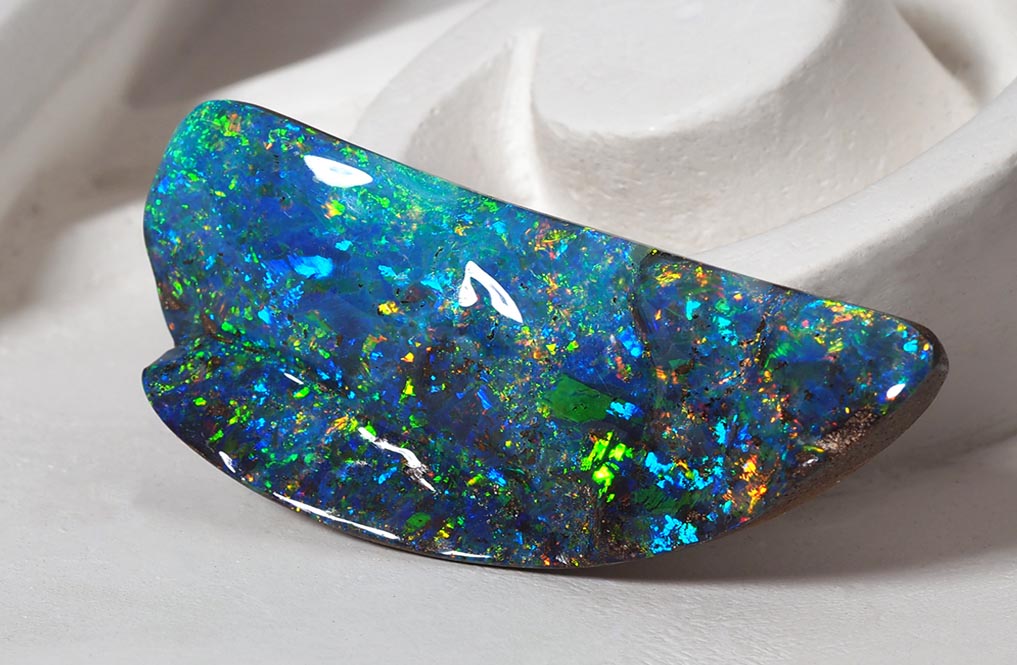
3. Boulder Opal – Bold and Unique
Boulder opals form within ironstone, which stays attached to the gem. This creates a natural backing and adds durability.
Why people love them:
- Larger sizes available
- Unique patterns
- More affordable for the size
Typical price range:
- £100 to £4,000 depending on quality
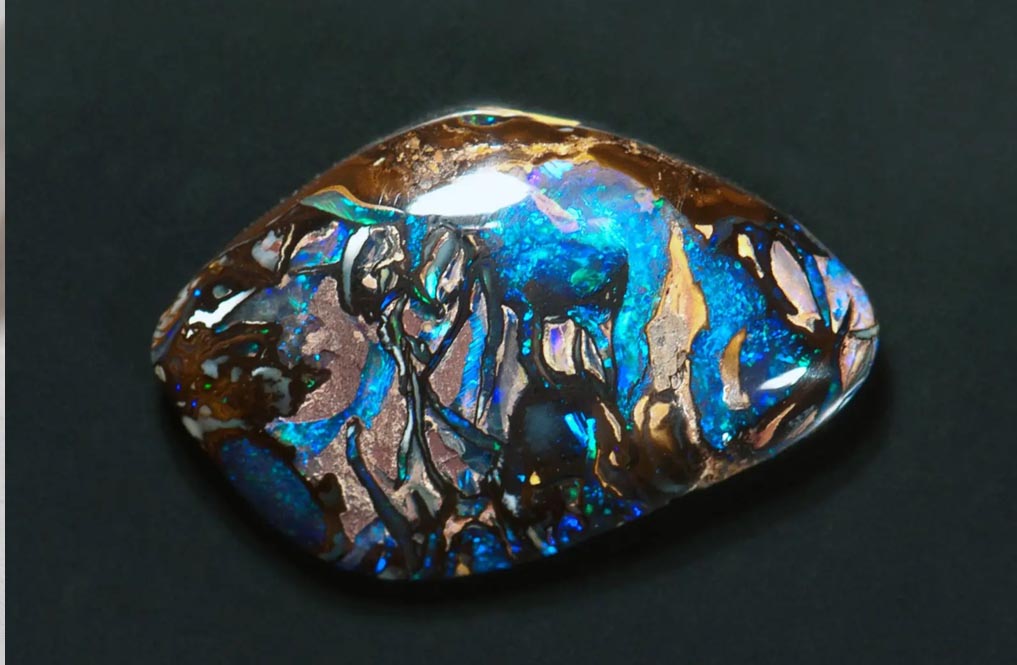
4. Matrix Opal – A Natural Pattern Look
Matrix opals contain tiny specks of opal scattered through the host rock. They often look like abstract art or natural landscapes.
Typical price range:
- £100 to £300
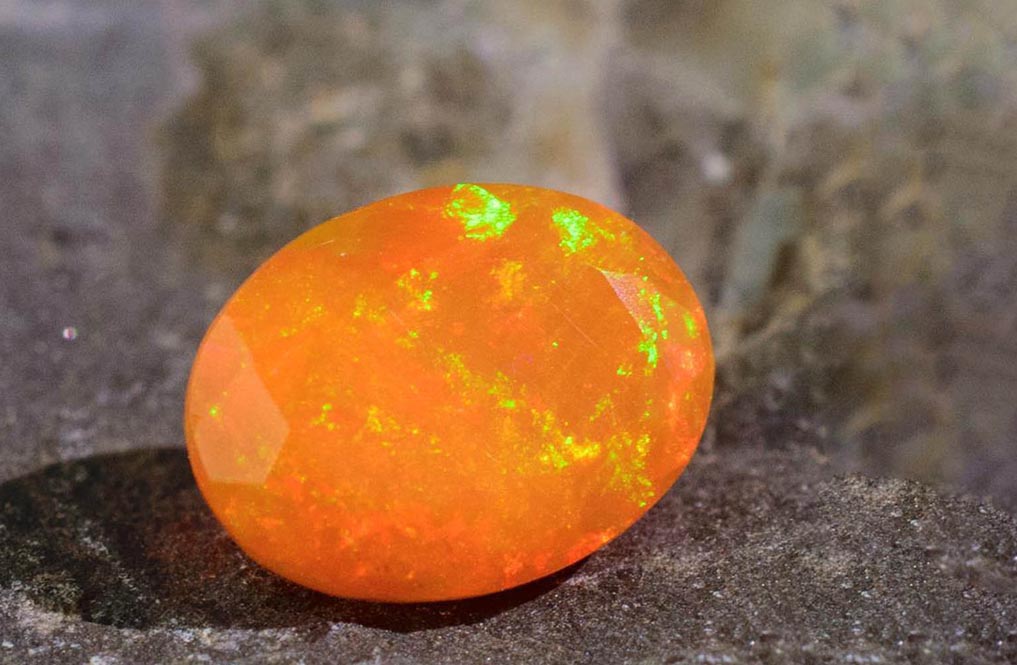
5. Fire Opal – Bright and Fiery
Fire opals are known for their orange, yellow, or red body color. Some have play of color, but many do not.
They are usually transparent or translucent and have a warm glow.
Typical price range:
- Similar to white opals, around £800 to £1,500 for larger stones
6. Common Opal – Simple but Beautiful
These do not show rainbow colors but come in lovely shades like:
- Blue
- Pink
- Turquoise green
They are often used in fashion jewellery.
What Drives Opal Prices?
Several factors affect how much an opal is worth:
Color
- Red and orange increase value
- Blue and green are more common
Pattern
- Large, bold flashes are more valuable than tiny specks
- Rare patterns like harlequin can command high prices
Brightness
- The more intense the color, the higher the price
Size and Thickness
- Thicker stones are more durable and valuable
- Very thin opals are prone to damage
Origin
- Australian opals are often considered more stable
Ethiopian opals can change over time if not properly aged
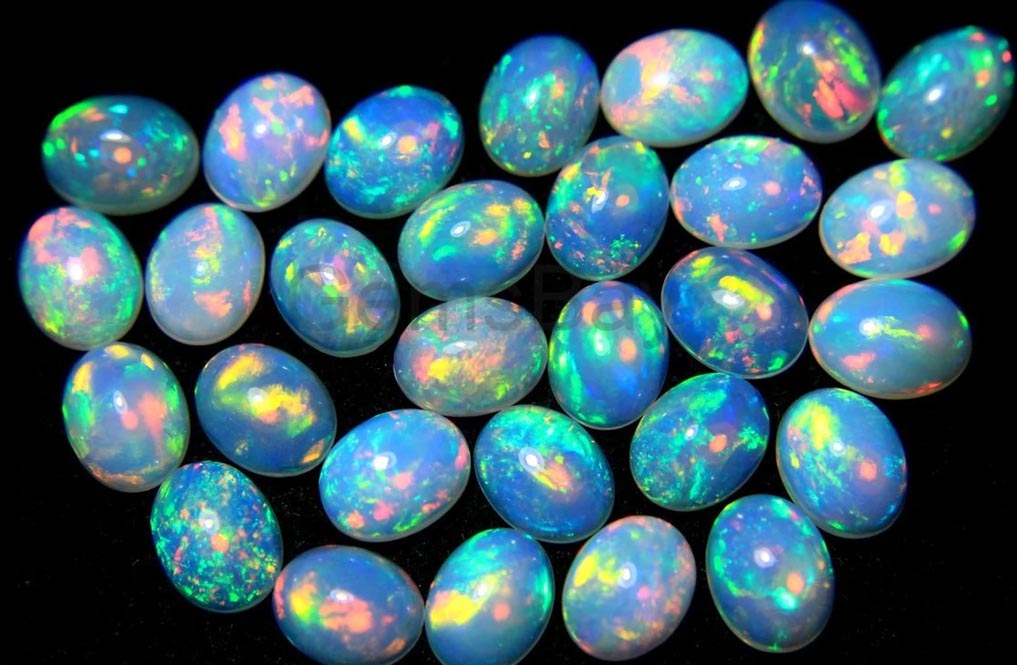
Opals are not just gemstones, they are conversation pieces. No two stones look the same, and that uniqueness is part of their charm.
If you want something bold and rare, go for a black opal. If you prefer something softer and more affordable, white or boulder opals are excellent choices.
The key is understanding what you are buying. Once you know how color, pattern, and quality affect value, you can find an opal that fits both your style and your budget.
And who knows, you might just end up with a stone that looks like a tiny galaxy trapped in a gem.