
The Hidden Cost of Beauty: Are Myanmar’s Rubies the New Blood Diamonds?
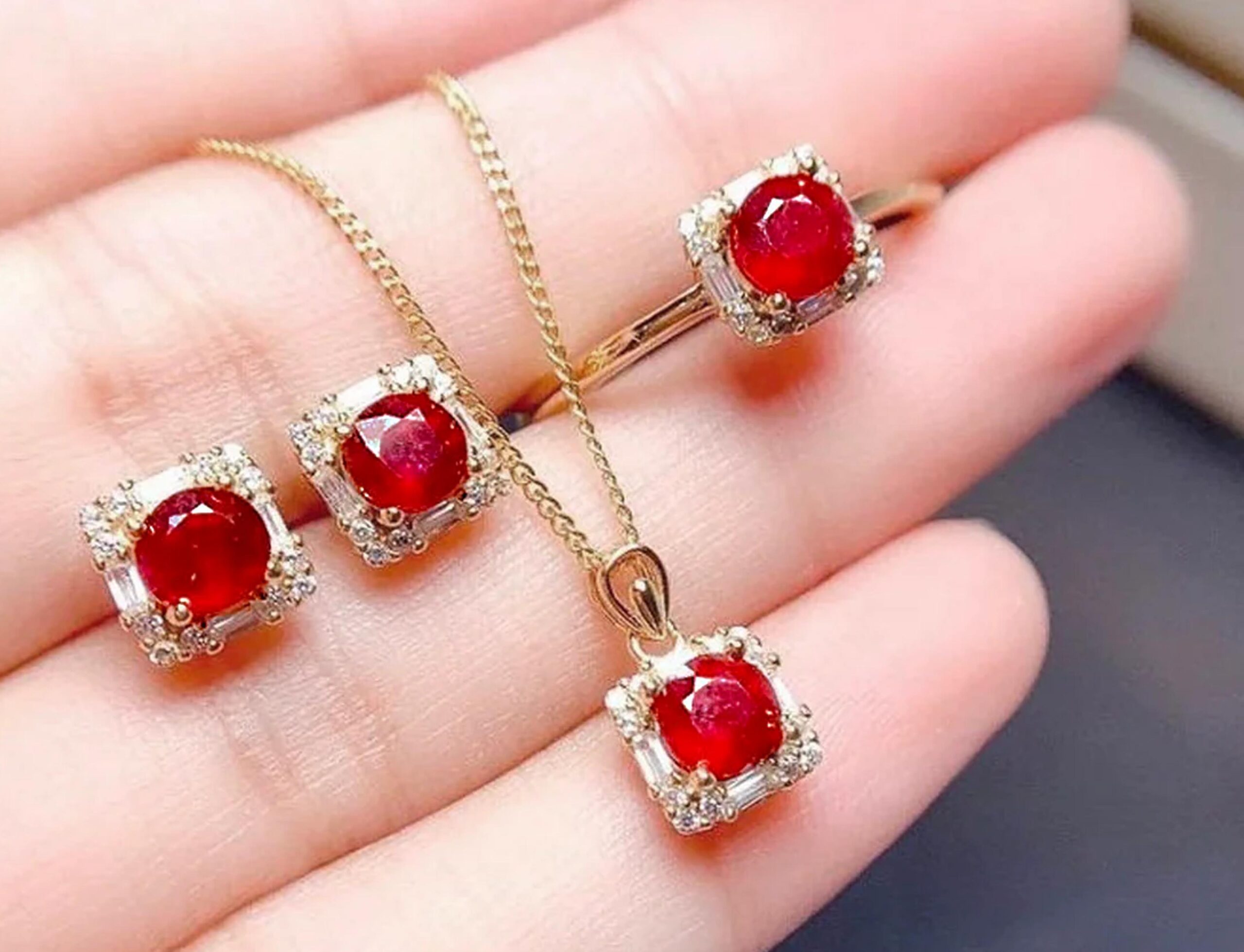
There’s something undeniably captivating about a flawless ruby. Its deep crimson glow, often described as “pigeon blood red,” has enchanted royalty, collectors, and lovers for centuries. But what if that mesmerizing sparkle carried a darker truth?
Behind some of the world’s most prized gemstones lies a story few consumers ever see. It is a story of conflict, power, and human suffering.
From Rare Beauty to Global Controversy
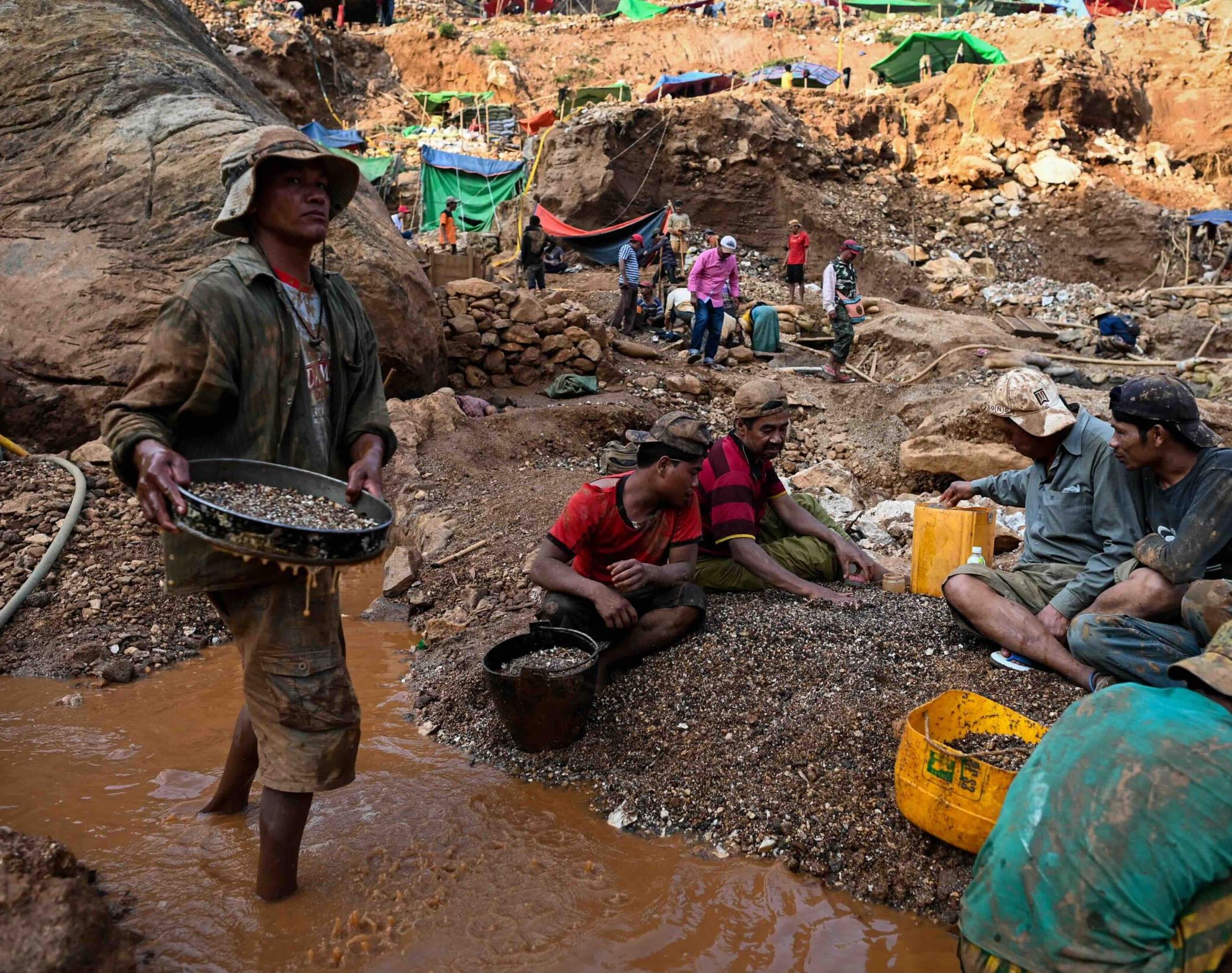
Myanmar (formerly Burma) produces some of the finest gemstones on Earth. In fact, an estimated 90% of the world’s rubies originate there, making it a cornerstone of the global gemstone trade.
These stones travel through glittering markets in Bangkok, Hong Kong, London, and New York, eventually landing in luxury jewelry collections worn by the world’s elite.
But beneath this dazzling global trade is a growing ethical storm.
“Genocide Gems”: A New Name with Heavy Meaning
In recent years, activists have begun using a chilling term: “genocide gems.” The phrase draws a direct parallel to “blood diamonds,” stones historically linked to war and violence in parts of Africa.
The concern is that Myanmar’s gemstone industry is deeply entangled with military power and human rights abuses.
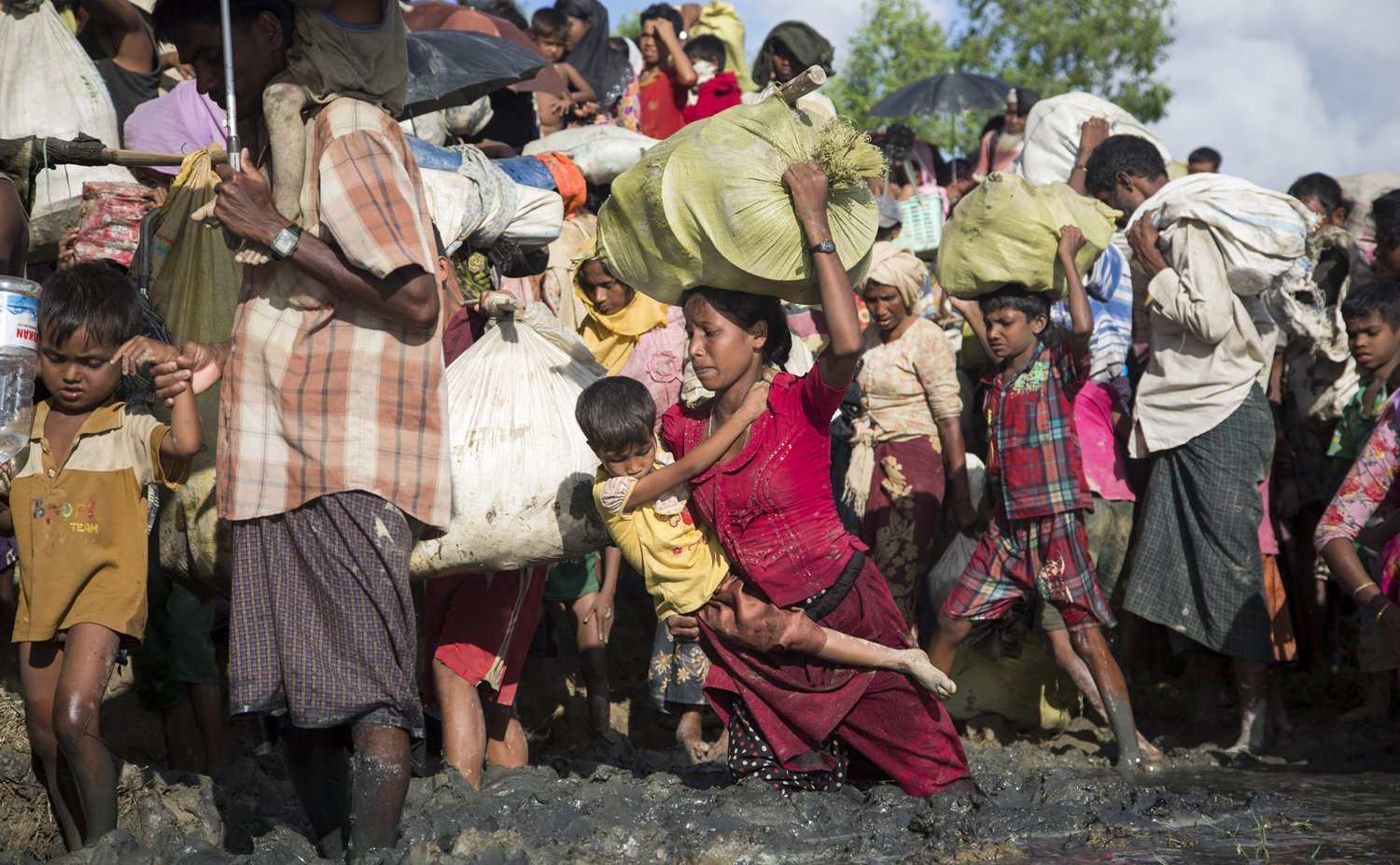
Human rights groups argue that purchasing Burmese gemstones may indirectly fund military linked enterprises, organizations accused of atrocities including violence against the Rohingya minority.
As one campaigner bluntly stated, the goal is to make these gems “as reviled as blood diamonds.”
A Supply Chain Shrouded in Conflict
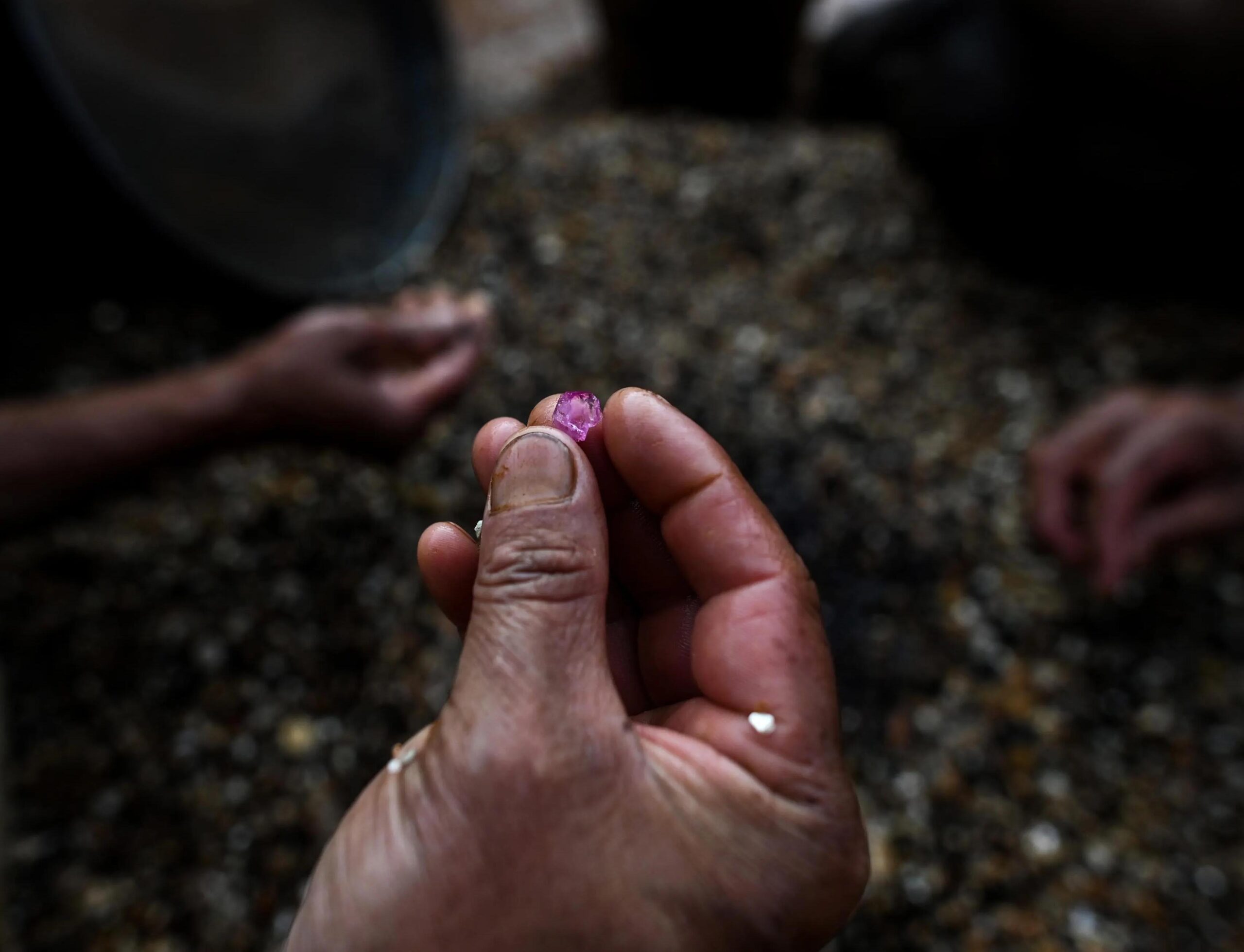
Unlike the romantic narratives often used to sell fine jewelry, the reality of gemstone mining in Myanmar is far more complex.
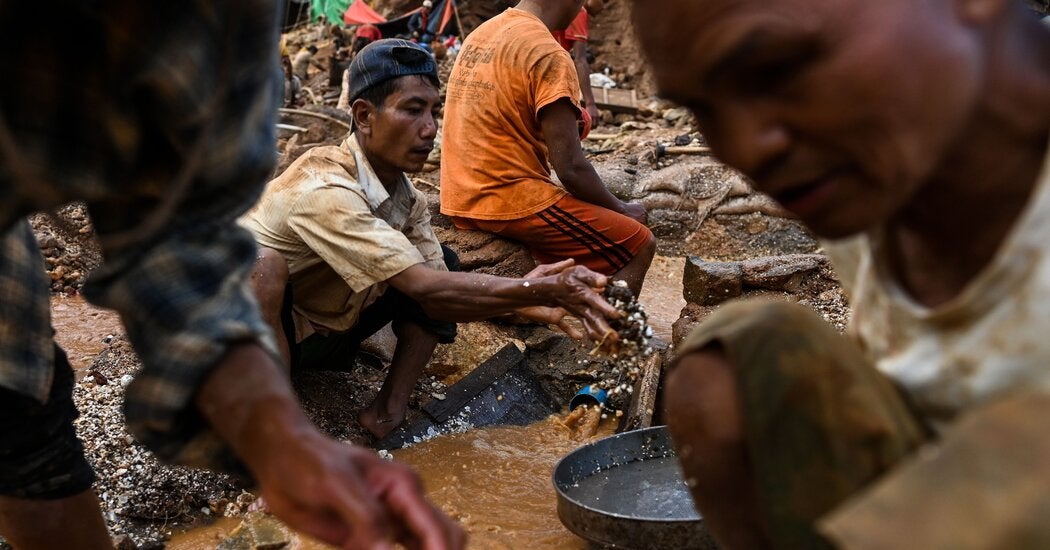
Many mines operate in conflict zones. The industry is marked by corruption and lack of transparency. Armed groups and military entities often control access and profits.
Revenue from gemstones has been linked to funding military operations and strengthening control over the country’s economy and political power.
Meanwhile, local communities frequently see little benefit from the wealth extracted from their land.
Luxury Brands Under Pressure
As awareness grows, so does pressure on the jewelry industry. Activists have targeted major luxury brands, urging them to stop sourcing stones from Myanmar. Campaigns have included protests outside high end boutiques in global cities such as London and New York.
Some brands have already responded. Cartier, for example, has reportedly halted sourcing Burmese gemstones amid ethical concerns.
Even retailers in the UK have removed Burmese rubies after scrutiny over whether sales could indirectly support the military regime.
The Consumer’s Dilemma
This raises an uncomfortable question for gemstone lovers:
Can beauty still be innocent in a globalized supply chain?
Unlike diamonds, which are monitored under the Kimberley Process, colored gemstones like rubies and sapphires often lack strict traceability.
That means a gemstone’s origin and its ethical footprint can be difficult to verify.
A Turning Point for the Gemstone Industry?
History shows that consumer awareness can reshape industries. The outcry over blood diamonds led to global reforms, changing how diamonds are tracked and sold. Now, Myanmar’s gemstones may be approaching a similar crossroads. If enough consumers demand transparency and ethical sourcing, the definition of luxury could shift. It may no longer be about owning something rare, but about owning something responsibly sourced.
The next time you admire a glowing ruby, it is worth asking: Is its beauty only skin deep, or does it carry a story beneath the surface?
Because in today’s world, even the most exquisite gemstone can reflect more than light. It can reflect the choices we make as buyers, as brands, and as a global community.