
Malachite Stone: Meaning, Price, Properties & How to Spot Real vs Fake
Malachite is one of the most recognizable green gemstones in the world, admired for its rich color, unique patterns, and long history in jewelry and art. From ancient Egypt to modern luxury brands like Van Cleef & Arpels, malachite continues to be a timeless favorite.
In this guide, we’ll cover everything you need to know about malachite stone meaning, properties, pricing, quality factors, and how to identify real vs fake malachite.
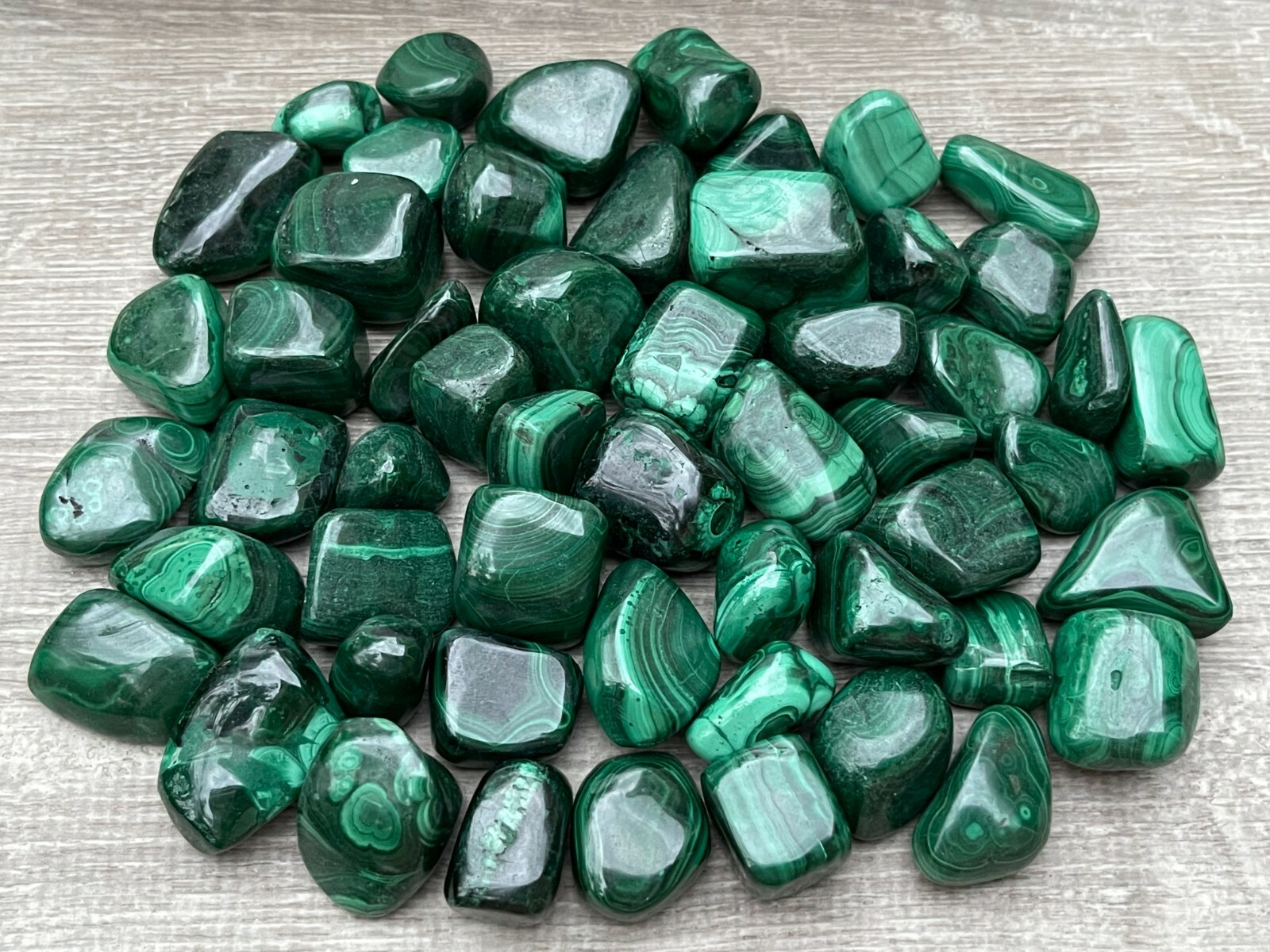
Malachite is a copper carbonate mineral that forms in copper-rich environments. It is known for its vibrant green shades and striking banded patterns.
. Color: Light green to deep forest green
. Hardness: 3.5 – 4 (Mohs scale)
. Composition: Copper carbonate hydroxide
. Main Source: Congo (primary producer today)
Malachite often forms alongside other minerals like azurite, creating beautiful blue-green combinations that are highly valued.
Malachite Meaning & Uses
Historically, malachite has been used for thousands of years.
. Ancient Egyptians used it for jewelry and pigments
. Russian royalty used it in decorative art and architecture
. It was ground into powder for cosmetics and paint
Today, malachite is widely used in:
. Jewelry such as rings, pendants and bracelets
. Sculptures and carvings
. Luxury designer pieces
Its bold green color makes it especially popular in high-end jewelry designs.
Is Malachite Toxic?
This is one of the most searched questions about malachite.
Yes, but only under specific conditions.
. Safe to wear as jewelry
. Safe to touch
. Dangerous if ingested or inhaled
Because malachite contains copper:
. Do not drink water infused with malachite
. Avoid inhaling dust when cutting or polishing
. Professionals use protective equipment when working with it
Wearing malachite is completely safe, but consuming it is not
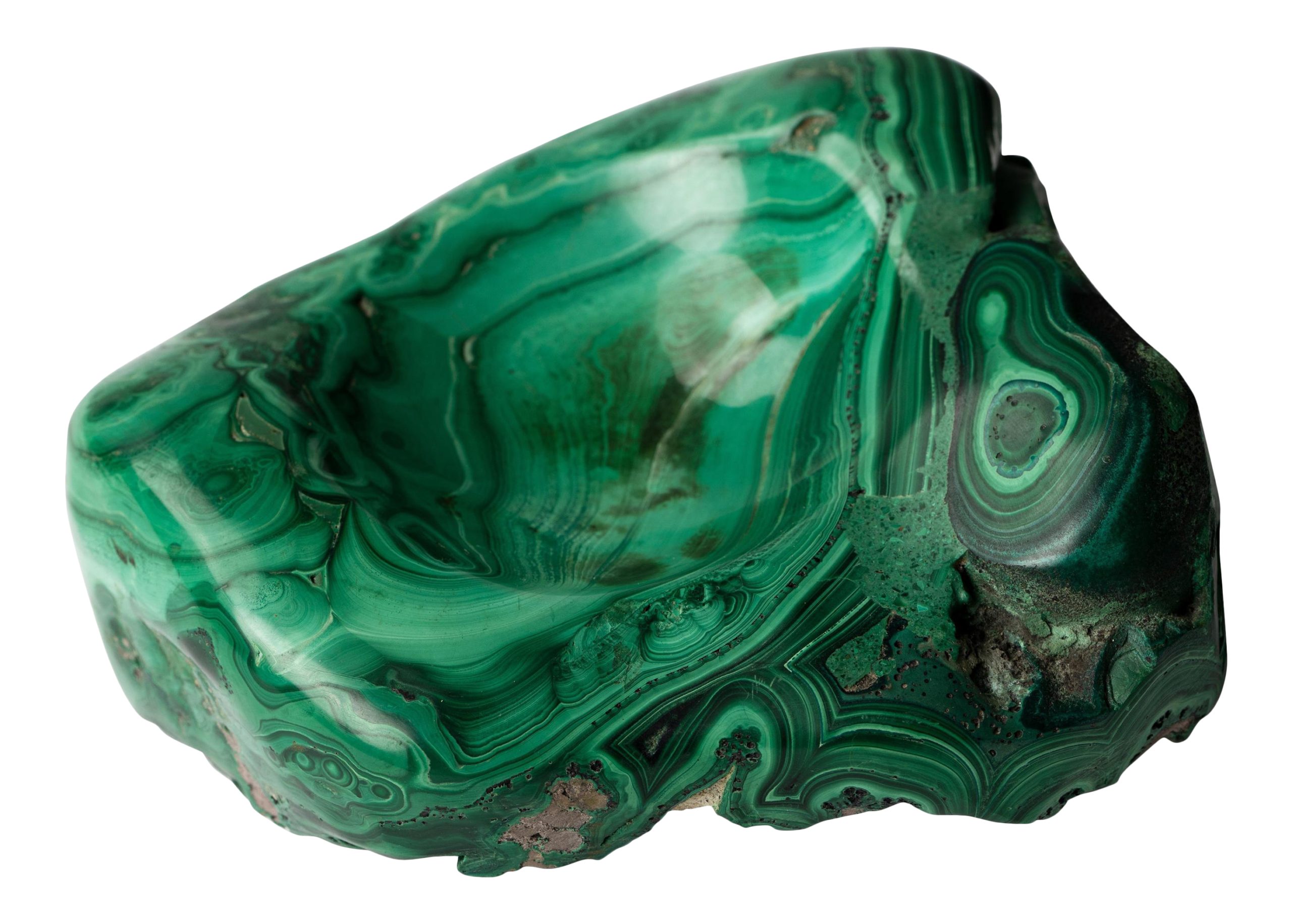
Malachite Quality: What Makes It Valuable?
Not all malachite is equal. Here are the key factors that determine quality.
1. Pattern (Most Important Factor)
The best malachite features distinct banding and patterns, not plain green color.
Highly desirable patterns include:
. Banded patterns with flowing lines
. Orbicular patterns with circular formations
. Silky texture with smooth appearance
Stones with strong contrast are more valuable.
2. Color Contrast
High-quality malachite shows:
. Deep forest greens
. Bright vivid greens
. Strong contrast between light and dark bands
Low-quality stones appear faded with little variation.
3. Formation Type
Rare formations increase value.
. Botryoidal formation creates circular patterns
. Silky malachite shows fine fibrous texture
These are among the most collectible types.
4. Combination Stones (Azurite-Malachite)
When malachite forms with azurite, it creates striking blue-green contrast.
These stones are:
. More unique
. More collectible
. Often higher in price
Malachite Price Guide
Malachite is relatively affordable compared to many gemstones.
. Low quality cabochons: 20 to 40 USD
. Mid-quality patterned stones: 100 to 150 USD
. High-quality large specimens: 300 to 500 USD or more
Despite its beauty, malachite remains accessible for most buyers.
Is Malachite Durable?
Malachite is a soft gemstone, which affects its durability.
. Easily scratched
. Can chip or break if dropped
. Requires careful handling
Best uses in jewelry include:
. Pendants
. Earrings
. Protected ring settings
Does Malachite Fade Over Time?
Good quality malachite is stable.
. Color does not fade in sunlight
. Stable in brief water exposure
However:
. Polish may wear over time
. Surface can become dull
It can be easily repolished by a jeweler.
Malachite Treatments
Most malachite is untreated, but some stones may be enhanced.
Resin Treatment
. Fills natural pores
. Improves durability
. Enhances polish longevity
This treatment is not always disclosed, so buyers should ask.
How to Identify Real vs Fake Malachite
Imitations are commonly made from plastic, glass or reconstructed powder.
1. Temperature Test
. Real malachite feels cold
. Fake materials feel warmer
2. Pattern Check
. Natural patterns are irregular and flowing
. Fake stones often show repetitive or artificial patterns
3. Color Variation
. Real stones show multiple shades of green
. Fake stones look too uniform
4. Structure
. Some imitations are made from compressed powder
. These may look like mosaics under close inspection
Where Does Malachite Come From?
The Democratic Republic of Congo is the main source today.
Other historical sources include:
. Russia
. Egypt
. Namibia
Most modern material comes from Congo, though exporting rough stones is restricted.
How to Care for Malachite Jewelry
Malachite requires gentle care.
Do:
. Clean with mild soap and lukewarm water
. Use a soft brush
Avoid:
. Ultrasonic cleaners
. Harsh chemicals
. Hot water
. Acids
Final Thoughts
Malachite is a unique and visually striking gemstone with a rich history. Its natural patterns ensure that every piece is one of a kind.
It offers:
. Strong visual appeal
. Historical significance
. Excellent value for money
FAQs About Malachite
Is malachite expensive?
No, it is generally affordable compared to most gemstones.
Can you wear malachite every day?
Yes, but it requires careful handling due to its softness.
Is malachite rare?
It is not rare, but high-quality pieces are more valuable.
Does malachite bring good luck?
Traditionally, it is associated with protection and transformation.