
Purple Sapphires: Color Range, Prices, and How They Compare to Amethyst
Purple sapphires are one of the most underrated gemstones on the market today. While blue sapphires often steal the spotlight, purple sapphires offer a unique mix of elegance, rarity, and versatility. If you are considering one for jewelry, especially an engagement ring, it helps to understand their color range, pricing, and how they compare to other purple stones like amethyst and spinel.
The Full Color Range of Purple Sapphires
One of the most fascinating things about purple sapphires is their wide spectrum of colors. They are not limited to a single shade. Instead, they span a beautiful range that can sometimes blur the lines between other gemstone colors.
You can find purple sapphires in shades such as:
- Light lavender and lilac tones
- Soft pastel purples with a hint of pink
- Bluish purple stones that lean toward sapphire blue
- Rich magenta or pinkish purple hues
- Deep, dark violet with strong saturation
- Greyish or muted purple tones
Some stones even display subtle color shifts depending on lighting. For example, certain purple sapphires may appear more blue in daylight and more purple indoors. These are known as color-change sapphires and are especially rare.
Because of this diversity, choosing a purple sapphire often comes down to personal taste. Some people prefer cooler, bluish tones, while others are drawn to warmer, pinkish purples.
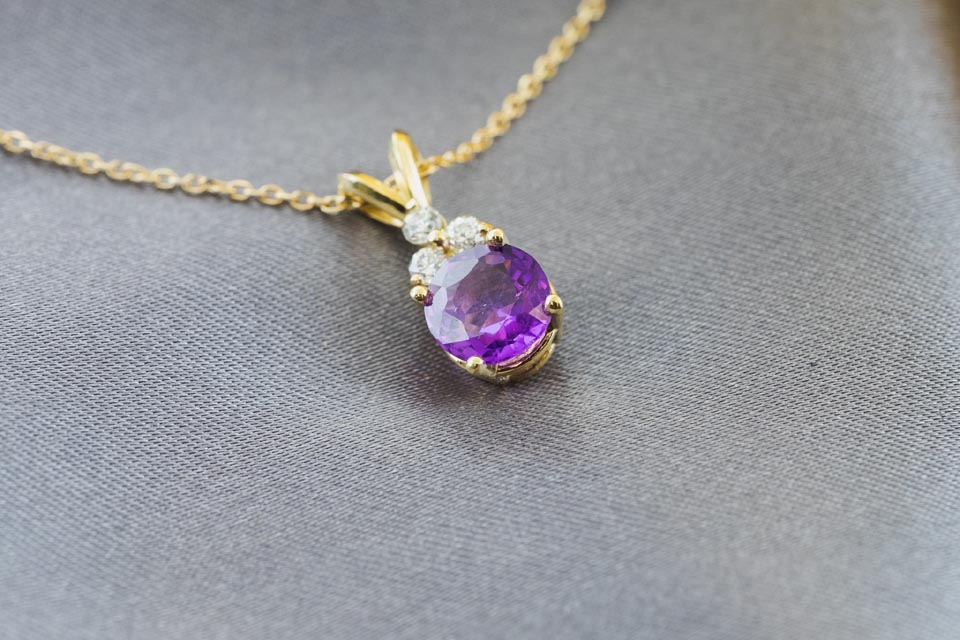
Understanding Purple Sapphire Undertones
Purple sapphires are rarely pure purple. Most have secondary hues that influence their overall look.
Common undertones include:
- Blue, giving a cooler and more classic sapphire appearance
- Pink, creating a softer and more romantic feel
- Grey, which tones down brightness for a subtle look
- Slightly warm or rosy tones that sit between pink and purple
These undertones play a big role in how the gemstone looks once set in jewelry. A stone that appears purple on its own might lean more pink or blue depending on surrounding colors.
Are Purple Sapphires Expensive?
Pricing for purple sapphires is not as straightforward as with blue sapphires. Instead of following a strict pattern, prices vary based on several factors.
Key factors that influence price:
- Color preference and demand
- Carat weight
- Clarity and overall quality
- Whether the stone is treated or untreated
- Rarity of the specific shade
Interestingly, lighter pastel purples can sometimes be more expensive than darker, more saturated stones. This is because soft lavender and lilac shades are currently in high demand.
Some general observations about pricing:
- Pastel and “easy-to-wear” shades are often highly sought after
- Unique colors like color-change sapphires command premium prices
- Less popular shades may be more affordable, even at larger sizes
In short, purple sapphire pricing is driven more by market demand and rarity than by a fixed color hierarchy.
Heat Treatment and Natural Color
Many sapphires on the market are heat treated to enhance their color. However, purple sapphires are a bit different.
In many cases:
- Purple sapphires are left unheated
- Heating can reduce or shift the purple color into blue or pink
- Natural, untreated purple stones are quite common
This makes untreated purple sapphires especially appealing for buyers who value natural gemstones.
Purple Sapphire vs Amethyst
Amethyst is often the first gemstone people think of when they want a purple stone. While it is beautiful and affordable, it is not always the best choice for long-term wear.
Here is how they compare:
Durability
- Purple sapphire is extremely hard and durable, ideal for daily wear
- Amethyst is softer and more prone to scratches over time
Brilliance and Appearance
- Sapphires typically have better brilliance and sparkle
- Amethyst can appear less lively, especially in certain lighting
Longevity
- Sapphire holds up much better in engagement rings and everyday jewelry
- Amethyst may wear down or lose polish over time
A popular alternative for those who love amethyst is to use it as a hidden accent stone inside a ring band, while choosing a purple sapphire as the main stone.
Purple Sapphire vs Spinel
Spinel is another gemstone that often gets compared to purple sapphire. It offers a similar look and is gaining popularity.
Key points of comparison:
- Spinel comes in a wide range of purple shades, including greyish and bluish tones
- It has good hardness, making it suitable for jewelry
- It is usually less expensive than sapphire, but not dramatically cheaper
- Visually, high-quality spinel can look very similar to sapphire
Spinel can be a great option if you want more variety or are open to alternatives, but purple sapphire still holds stronger long-term value and prestige.
Choosing the Right Purple Sapphire
When shopping for a purple sapphire, it helps to focus on what matters most to you.
Consider the following:
- Do you prefer a cooler blue-purple or a warmer pink-purple
- Are you drawn to light pastel shades or deeper, richer tones
- Is natural, untreated origin important to you
- What is your budget range
Because purple sapphires come in so many variations, finding the perfect one may take time. If you are flexible with color, the process becomes much easier.
Purple sapphires offer a rare combination of beauty, durability, and individuality. With shades ranging from soft lavender to deep violet, there is truly something for every style.
They are also a smart alternative to amethyst for those who want a purple gemstone that will last a lifetime. And while spinel provides an interesting comparison, purple sapphires continue to stand out for their natural appeal and long-term value.
If you are looking for a gemstone that feels unique yet timeless, a purple sapphire is definitely worth considering.