
Ethical Gemstone Sourcing Guide: How to Choose a Responsible Engagement Ring
Choosing an engagement ring is not only about beauty, sparkle, or price. Today, many buyers also want to know where their gemstone came from and whether it was sourced responsibly. Ethical gemstone sourcing has become one of the most important topics in the jewellery industry, especially for engagement rings.
From human rights concerns to environmental protection, ethical sourcing helps ensure that the gemstone in your ring was mined and traded in a responsible way. If you are planning to buy a sapphire, diamond, emerald, ruby, or any other gemstone for an engagement ring, this guide will help you understand what ethical gemstone sourcing really means.
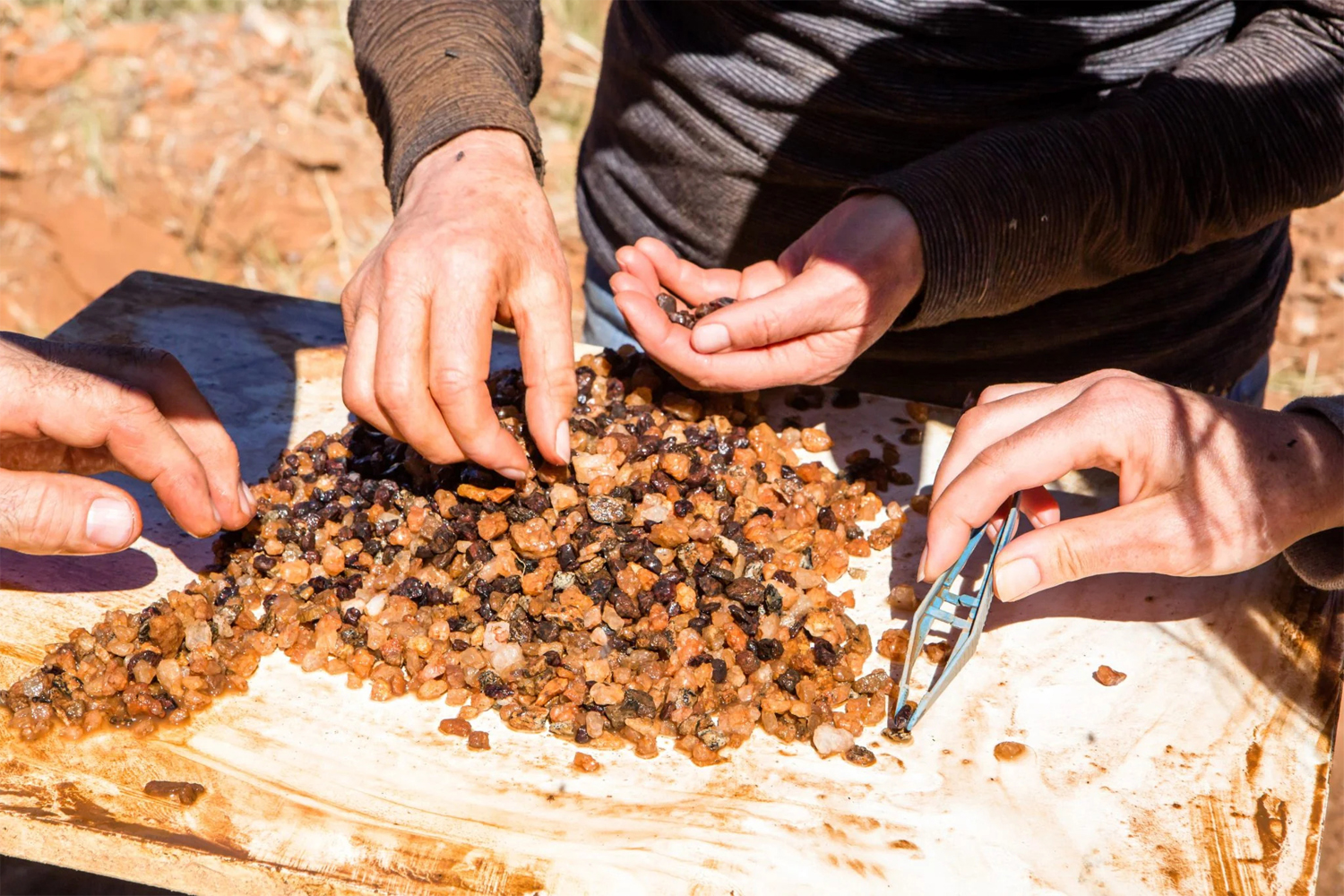
What Is Ethical Gemstone Sourcing?
Ethical gemstone sourcing means obtaining gemstones in a way that respects people, communities, and the environment.
This includes several important factors:
- Protecting human rights
- Providing safe working conditions
- Avoiding child labour
- Preventing gemstones from funding wars or conflicts
- Reducing environmental damage
- Supporting local mining communities
Ethical sourcing is about making sure the journey of the gemstone is fair from the mine to the final jewellery piece.
Why Ethical Gemstones Matter
Many gemstones are mined in developing countries where regulations may be weak. Unfortunately, some mining operations have been linked to unsafe working conditions, poor wages, human rights violations, and environmental destruction.
The term “blood diamonds” became widely known after reports revealed that some diamonds were used to finance armed conflicts in parts of Africa. Even today, concerns still exist in parts of the gemstone trade.
When buyers choose ethically sourced gemstones, they help support responsible mining practices and businesses that care about workers and communities.
Main Ethical Concerns in Gemstone Mining
1. Human Rights Violations
One of the biggest concerns in gemstone mining is the treatment of workers. Ethical mining operations should provide fair treatment, reasonable wages, and safe conditions.
Unfortunately, illegal or poorly regulated mines may expose workers to dangerous environments and exploitation.
2. Child Labour
In some mining regions, children may be forced to work in difficult and unsafe conditions. Ethical gemstone companies work to prevent child labour and support education and community development instead.
3. Conflict Gemstones
Conflict gemstones are stones sold to fund wars or armed groups. Diamonds are the most famous example because they are easy to transport and hold high value.
This is why many buyers today ask questions about the origin of their diamonds and gemstones.
4. Environmental Damage
Mining can seriously affect the environment if it is not managed properly. Problems may include:
- Deforestation
- Water pollution
- Soil erosion
- Habitat destruction
Responsible mining companies often invest in land restoration and environmental protection programs.
Do Gemstone Certificates Guarantee Ethical Sourcing?
Many people believe that a gemstone certificate automatically means the stone is ethically sourced. However, this is not always true.
A grading report from labs like Gemological Institute of America mainly focuses on gemstone quality such as:
- Colour
- Clarity
- Cut
- Carat weight
- Treatments
Most standard gemstone certificates do not guarantee ethical sourcing.
Some gemstones may include an origin report that identifies where the stone came from, but even this does not always confirm the full ethical history of the gemstone.
What Is the Kimberley Process?

The Kimberley Process was created to reduce the trade of conflict diamonds. It introduced rules and certification systems designed to track rough diamonds between countries.
While the Kimberley Process helped improve transparency in the early years, many experts believe it still has limitations today. Critics argue that loopholes and weak enforcement can allow unethical stones to enter the market.
Because of this, many jewellery buyers now rely on trusted jewellers and transparent supply chains rather than certificates alone.
How Ethical Jewellers Source Gemstones
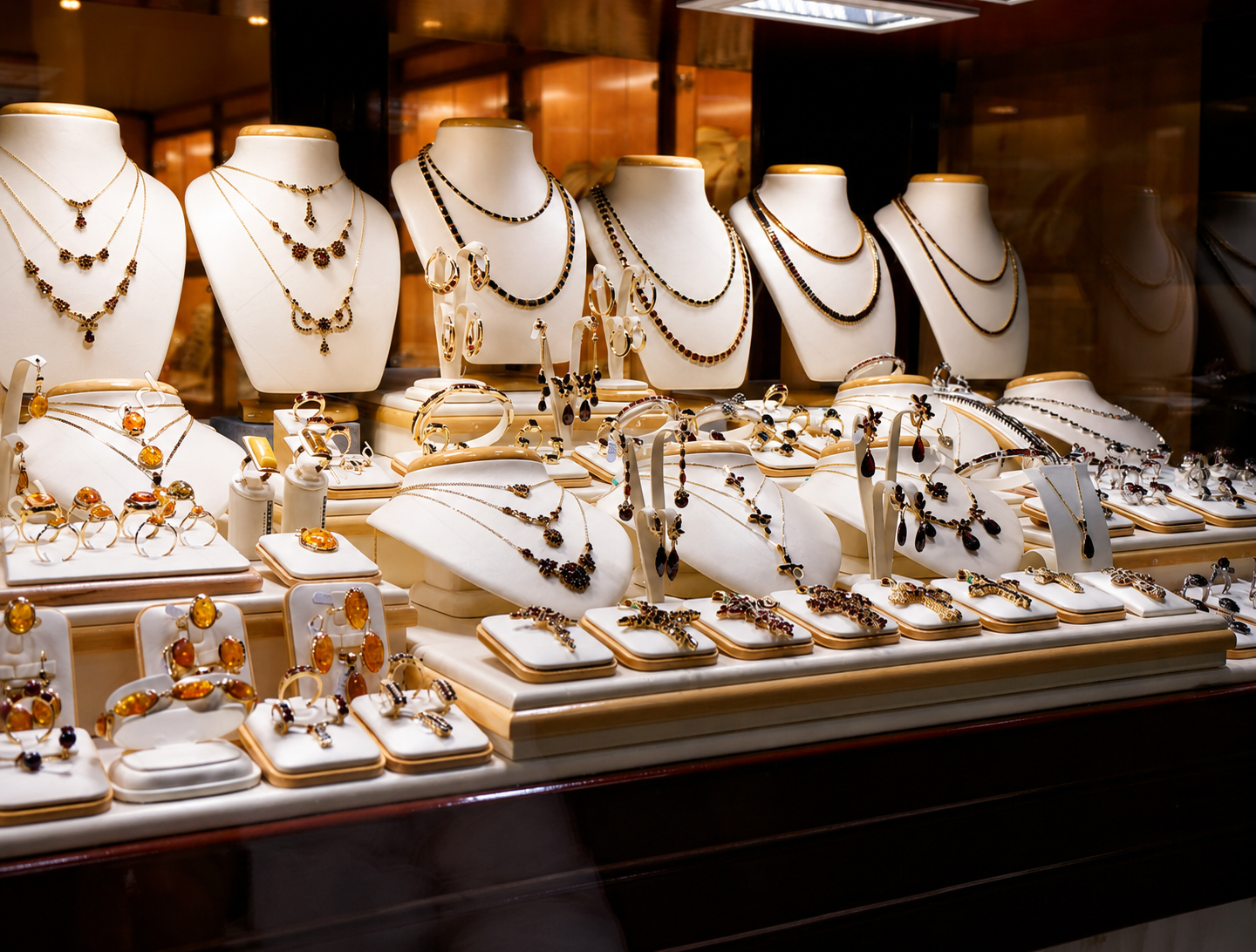
Responsible jewellers often build direct relationships with trusted gemstone suppliers and miners.
Instead of buying stones from unknown sources, they:
- Visit gem shows and mining regions
- Meet suppliers personally
- Learn about mining practices
- Review sourcing documentation
- Support small mining communities
- Work with long-term ethical partners
This approach creates better transparency and trust throughout the supply chain.
Why Relationships Matter in the Gemstone Trade
The gemstone industry is complex. A gemstone may pass through miners, cutters, wholesalers, exporters, and retailers before reaching the final customer.
Because of this, it can be difficult to trace every stone perfectly. Trusted relationships become extremely important.
Jewellers who work closely with ethical suppliers are more likely to receive:
- Better quality gemstones
- Honest descriptions
- Reliable sourcing information
- Consistent ethical standards
In many cases, ethical suppliers also invest back into local communities and mining regions.
Tips for Buying an Ethically Sourced Engagement Ring
If ethical sourcing matters to you, here are some important questions to ask before buying a gemstone engagement ring:
Ask About Origin
Find out where the gemstone was mined. Ethical jewellers are usually transparent about gemstone origins.
Ask About the Supply Chain
A trustworthy jeweller should be able to explain how the gemstone reached their store.
Research the Jeweller
Look for businesses that openly discuss ethical sourcing practices on their websites or social media.
Consider Smaller Independent Jewellers
Smaller jewellers often work more closely with gemstone suppliers and may provide better transparency than mass-market retailers.
Look Beyond Certificates
Certificates are useful for gemstone quality, but they are not the full answer for ethical sourcing.
Ethical Gemstones Can Still Be Beautiful
Some buyers worry that ethical sourcing limits their gemstone options. In reality, responsibly sourced gemstones can be just as beautiful and high quality as any other stones.
Popular ethically sourced engagement ring gemstones include:
- Sapphires
- Rubies
- Emeralds
- Spinel
- Morganite
- Aquamarine
- Diamonds from responsible suppliers
The key is working with jewellers who care about transparency and long-term relationships.
An engagement ring is one of the most meaningful jewellery purchases you will ever make. Beauty and quality are important, but understanding where your gemstone came from matters too. Ethical gemstone sourcing is about protecting people, communities, and the environment while supporting responsible mining practices. Although no system is perfect, asking questions and choosing trusted jewellers can help you make a more informed decision.
When you buy an ethically sourced gemstone, you are not only investing in a beautiful ring. You are also supporting a more responsible and sustainable jewellery industry.