
Painite: The World’s Rarest Mineral That Almost No One Has Ever seen
Painite: The World’s Rarest Mineral That Almost No One Has Ever Seen
For decades, only two crystals existed on Earth. Today, painite remains so scarce it makes diamonds look commonplace — here’s everything you need to know.
📅 Discovered 1951 | 📍 Origin: Mogok, Myanmar | 🕐 6 min read
The Accidental Discovery That Changed Mineralogy
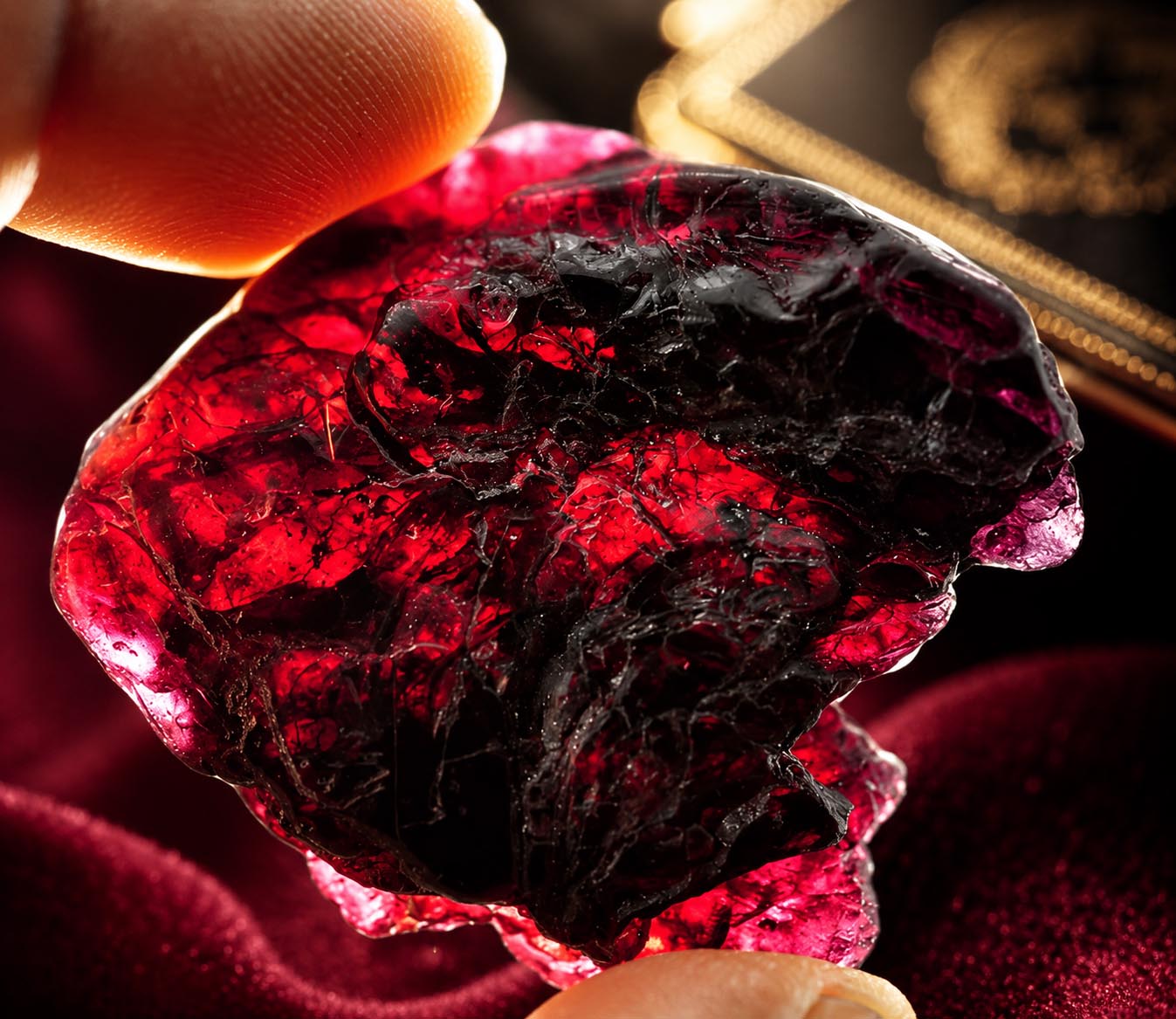
In 1951, British mineralogist Arthur C.D. Pain was in the Mogok region of Burma (modern-day Myanmar), a territory long celebrated for its extraordinary gemstone wealth — rubies, sapphires, spinels. Mogok wasn’t just a mining district; it was a legend whispered among gemologists the world over.
Pain came across a cluster of unusual reddish-brown crystals in the alluvial deposits. Intrigued, he sent them to the British Museum for analysis. The verdict arrived six years later, in 1957 — the crystals were unlike anything previously documented. An entirely new mineral species. It was named painite in his honour.
“The discovery of painite ignited a spark of adventure, inspiring expeditions to the most remote corners of the globe.”
A Timeline of the World’s Most Elusive Crystal
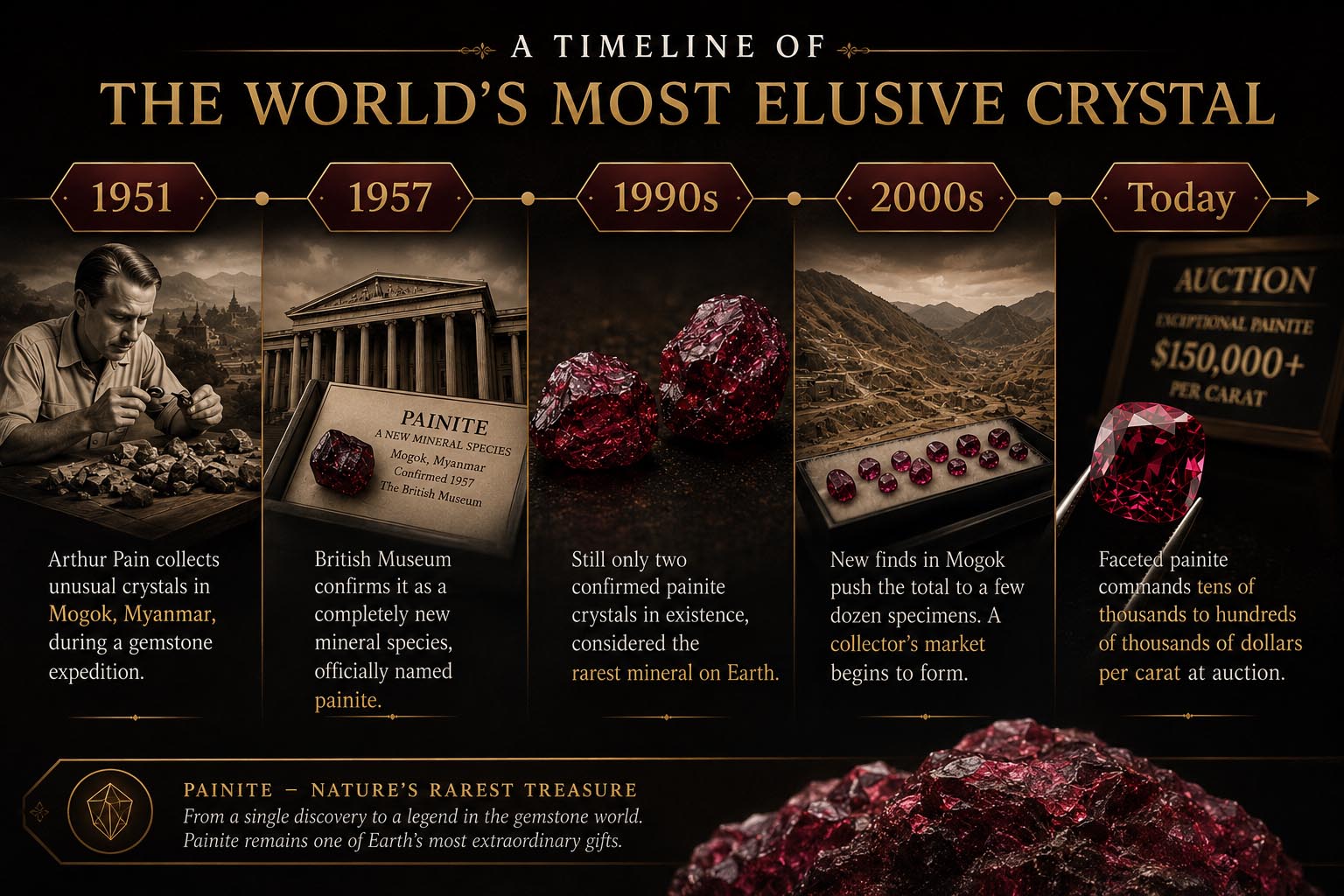
1951 — Arthur Pain collects unusual crystals in Mogok, Myanmar, during a gemstone expedition.
1957 — British Museum confirms it as a completely new mineral species, officially named painite.
1990s — Still only two confirmed painite crystals in existence, considered the rarest mineral on Earth.
2000s — New finds in Mogok push the total to a few dozen specimens. A collector’s market begins to form.
Today — Faceted painite commands tens of thousands to hundreds of thousands of dollars per carat at auction.
What Makes Painite So Rare? The Science Explained
Painite’s scarcity isn’t an accident of history — it’s baked into its very chemistry. The mineral’s formula is CaZrAl₉O₁₅(BO₃). Calcium, zirconium, aluminium, boron, and oxygen must be present simultaneously, in precise proportions, under extraordinary pressure and temperature conditions.
Zirconium and boron rarely occur together in nature — their chemical behaviour tends to keep them apart in most rock-forming environments. For painite to crystallise, the rules of geology essentially have to break down in a very specific, very localised way.
Painite at a Glance
- Chemical formula: CaZrAl₉O₁₅(BO₃)
- Crystal system: Hexagonal
- Colour: Deep reddish-brown to orange-red
- Hardness: ~8 on the Mohs scale
- Primary source: Mogok Valley, Myanmar
- Record price: Up to $300,000+ per carat for top-quality faceted stones
Why Mogok? The Geological Sweet Spot
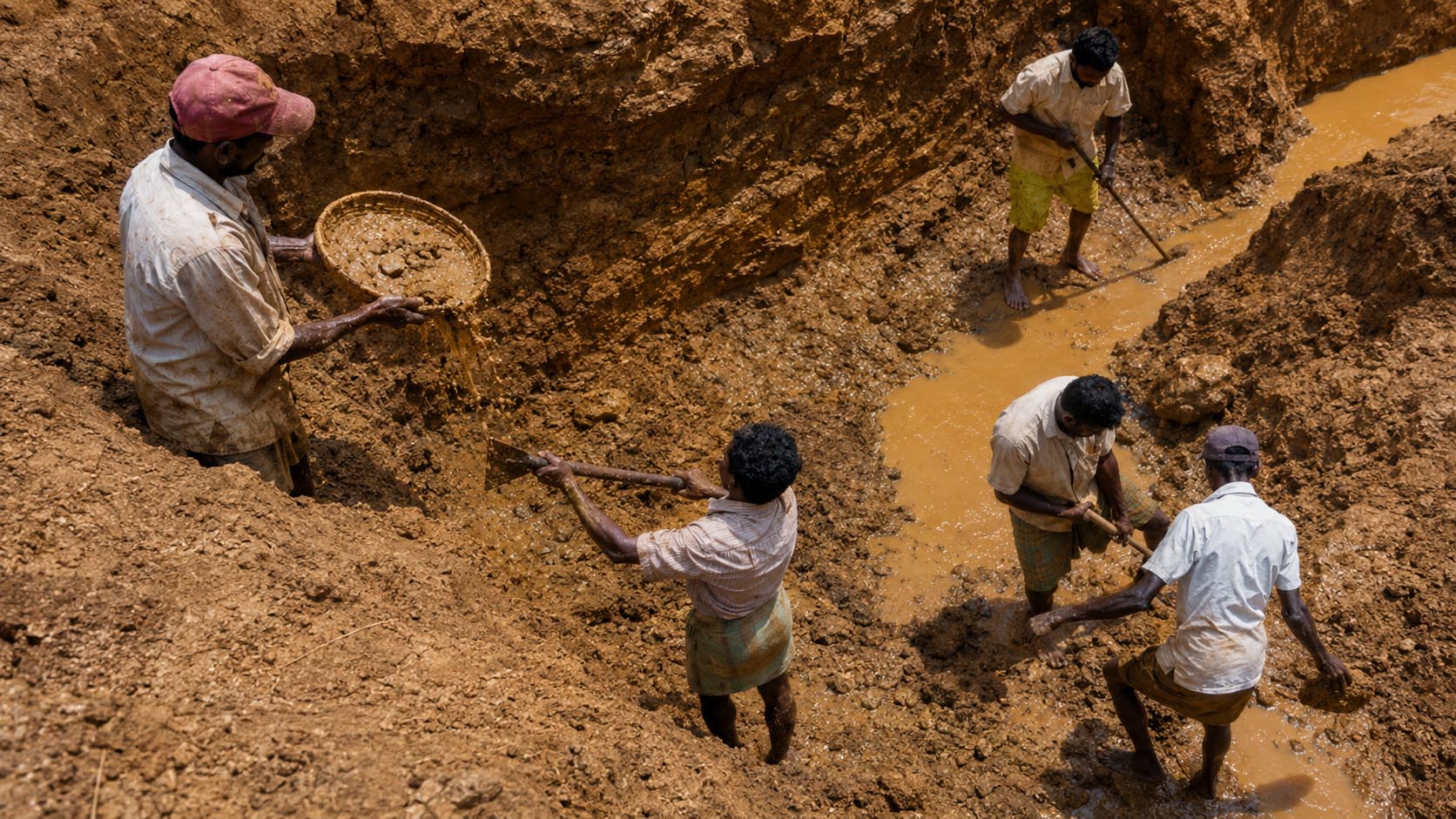
The vast majority of painite crystals have emerged from a single stretch of earth: the Mogok Valley in northern Myanmar, nestled in the foothills of the Himalayas. The leading geological theory links painite’s formation here to the slow-motion collision of the Indian and Eurasian tectonic plates — a crunch of continental rock ongoing for tens of millions of years.
That collision created conditions of extreme heat and pressure, forging minerals that exist nowhere else. Over millennia, tectonic uplift and surface erosion brought these painite-bearing rocks to the surface. Remove any one element — the collision, the chemistry, the erosion — and painite simply doesn’t exist.
What Is Painite Worth Today?
In the early years after its discovery, painite had no market value — you couldn’t buy what didn’t exist in any quantity. Today, with a few hundred known specimens globally, faceted painite can range from tens of thousands to hundreds of thousands of dollars per carat, depending on size, colour saturation, clarity, and cut quality.
For collectors, painite isn’t simply an investment. It’s a piece of geological history — an object so statistically improbable that owning one is, in a quiet and understated way, a kind of miracle.
“Painite is a reminder that the Earth still holds secrets potent enough to rewrite the textbooks.”
The Future of Painite Research
Scientists aren’t done with painite yet. Advanced analytical techniques are revealing new details about how painite’s crystal lattice behaves under various conditions. Material scientists have noted that its unique properties could have applications in specialist optical and electronic technologies, though the mineral’s rarity makes large-scale use essentially impossible for now.
The search for new deposits continues across Southeast Asia and beyond. But Mogok remains, stubbornly and magnificently, the undisputed home of painite.