
Lead Glass Filled Rubies and Sapphires: What Buyers Must Know Before Buying
Rubies and sapphires are two of the most loved gemstones in the world. Both belong to the same mineral family called corundum. Natural high-quality ruby and sapphire can be very expensive, so the gem trade uses different treatments to improve lower-quality stones. One of the most important treatments to understand is lead glass filling. This treatment can make a very poor-quality stone look bright, clear, and jewellery-ready. But it also changes the stone’s durability, value, and identity.
What Are Lead Glass Filled Rubies and Sapphires?
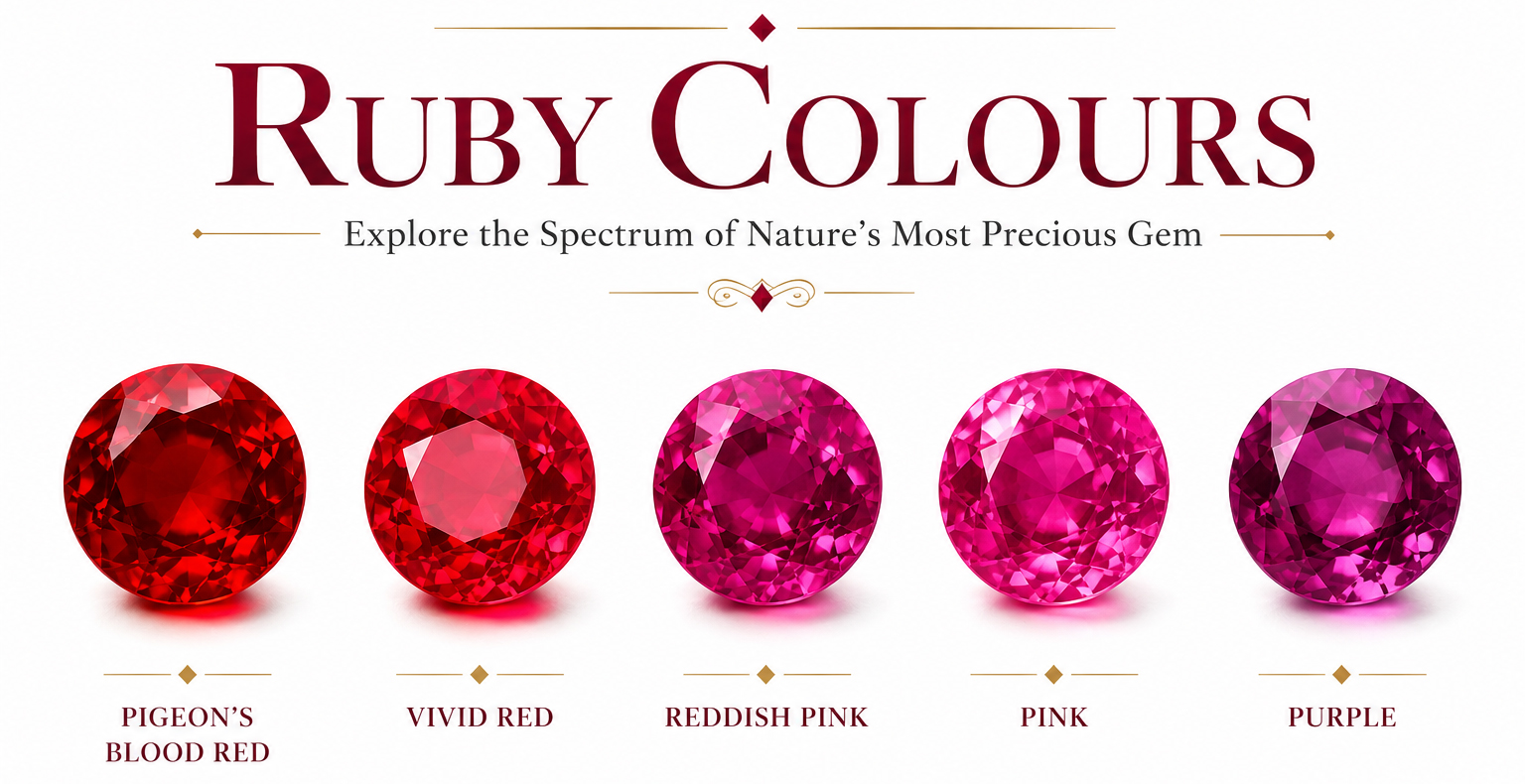
Lead glass filled rubies and sapphires are heavily treated gemstones. They start as low-quality corundum that is full of cracks and fractures. The cracks are filled with lead glass. This makes the stone look clearer, brighter, and more attractive. Without this filling, many of these stones would break apart and could not be cut into gems.
Because the final stone is made from both corundum and glass, many gem experts describe it as a composite gemstone, not just a normally treated ruby or sapphire.
Why Are They Made?
Natural fine ruby and sapphire are rare and expensive. Lead glass filling allows very low-grade material to be used in jewellery.
This treatment improves:
- Colour
- Transparency
- Apparent clarity
- Overall appearance
- Marketability
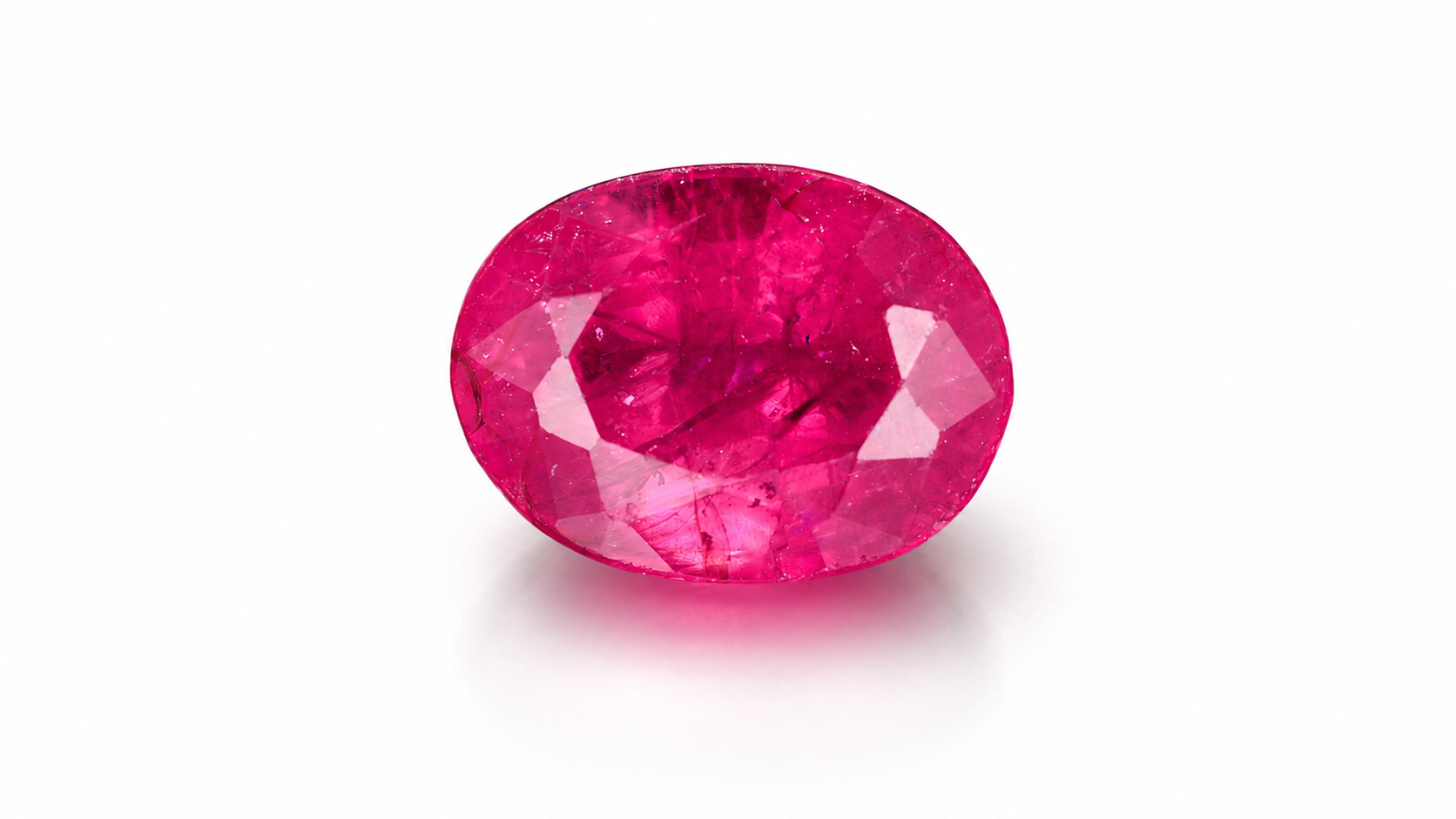
A rough, cloudy, fractured ruby can become a bright red faceted stone after treatment. This makes the gemstone affordable, but it also means the buyer must know exactly what they are buying.
Are Lead Glass Filled Rubies Real Rubies?
This is where many buyers get confused.
The original material may be natural ruby or sapphire, but the finished product contains glass. In some stones, the amount of glass can be small. In others, a large part of the stone may be glass.
So it is not the same as an untreated ruby, a heated ruby, or a natural sapphire. It should be clearly described as:
- Lead glass filled ruby
- Ruby glass composite
- Glass filled sapphire
- Cobalt lead glass filled sapphire
Sellers should not simply call it “natural ruby” without explaining the treatment.
How Are Lead Glass Filled Rubies Made?
The process usually starts with very low-quality ruby rough. This material is often dark, cloudy, and heavily fractured.
The treatment usually involves:
- Removing unwanted parts of the rough stone
- Cleaning the fractures with acid
- Heating the stone
- Mixing it with lead oxide and silica
- Melting the glass into the fractures
- Cutting and polishing the treated material
The glass fills the cracks and helps hold the stone together. This is why the finished gemstone can look much better than the original rough.
Lead Glass Filled Sapphires
Lead glass filled sapphires are similar, but blue versions often use cobalt-coloured glass. The starting material may be almost colourless corundum. The blue colour can come mainly from the cobalt glass inside the cracks, not from the sapphire itself. This is very important for buyers because the colour may not be natural sapphire colour.
Durability Problems
Lead glass filled rubies and sapphires are much less durable than normal corundum.
Ruby and sapphire have a hardness of 9 on the Mohs scale. But lead glass is much softer, around 4 to 5. This makes the filled areas easier to scratch, damage, or wear away.
These stones can also be damaged by:
- Jeweller’s torch heat
- Ultrasonic cleaners
- Steam cleaners
- Pickling acid
- Strong cleaning chemicals
- Bleach-based cleaners
- Lemon juice and vinegar
A jeweller’s torch can melt the glass filling. In some cases, the stone may crack or fall apart. Because of this, jewellers should be told before any repair work is done.
How to Identify Lead Glass Filled Rubies
Some signs can be seen with a loupe or microscope.
Look for:
- Surface-reaching fractures
- Blue or orange colour flashes
- Gas bubbles inside the stone
- Different lustre between ruby and glass areas
- Filled cavities
- Flow-like patterns in the glass
- Yellowish glass patches
Blue colour flashes in ruby are one of the strongest signs of lead glass filling.
How to Identify Cobalt Lead Glass Filled Sapphires
Cobalt lead glass filled sapphires may show:
- Colour concentrated inside cracks
- A colourless or pale sapphire body
- Pink colour flashes
- Gas bubbles
- Surface fractures
- Glass-filled cavities
- Flow structures
If the blue colour appears mainly in the cracks, that is a warning sign.
Should You Buy Lead Glass Filled Ruby or Sapphire?
You can buy them if the price is low and the treatment is clearly disclosed. They can be attractive for affordable jewellery, but they should not be priced like fine natural ruby or sapphire.
Before buying, ask the seller:
- Is the stone lead glass filled?
- Is it a composite gemstone?
- Has the treatment been disclosed in writing?
- Can it be safely cleaned?
- Is it suitable for daily wear?
- Is there a gem lab report?
For engagement rings or daily-wear jewellery, these stones are usually not the best choice because they are less durable. Lead glass filled rubies and sapphires can look beautiful, but buyers must understand what they are. They are not the same as untreated or simply heated gems. They are composite stones made from corundum and glass.
The biggest risk is not the treatment itself. The real problem is poor disclosure. If a seller clearly explains the treatment and prices the stone fairly, the buyer can make an informed choice.
For beginners, the best rule is simple: if a ruby or sapphire looks large, bright, clean, and surprisingly cheap, always ask whether it is lead glass filled before buying.