
How to Avoid Jewelry Buying Scams: 9 Smart Tips to Protect Your Money
Buying jewelry should feel exciting, not stressful. Whether you are shopping for an engagement ring, a gold chain, diamond earrings, or a meaningful gift, you are spending real money on something that should last and mean something. That is exactly why jewelry scams can hurt so much. A bad purchase does not just waste your money. It can also leave you with disappointment, regret, and a piece that is not worth what you paid.
The good news is that most jewelry scams can be avoided when you know what to look for. A little research, a few smart questions, and a careful approach can protect you from dishonest sellers and overpriced pieces. Here are nine practical tips to help you buy jewelry with confidence.
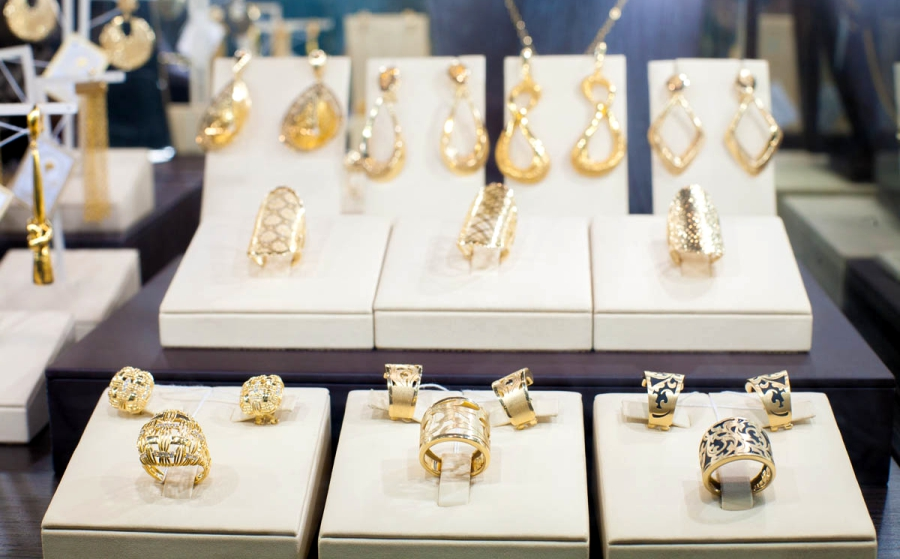
1. Research the jeweler before you buy
The first step is simple. Look into the seller before you spend a single dollar.
Check their website, online reviews, social media pages, and customer testimonials. Ask friends or family members if they have heard of the business. Look at how long the company has been around and whether they clearly explain what they sell. A trustworthy jeweler should have a visible track record and enough information for you to feel comfortable.
If a seller has little to no online presence, unclear contact details, or a pattern of unhappy customer reviews, take that as a warning sign.
2. Buy only from trustworthy sources
Doing research is important, but you also need to ask whether the seller is genuinely credible.
A good jeweler should be transparent about their business, their products, and their policies. They may be an authorized retailer, belong to a recognized jewelry association, or have established partnerships that support their reputation. They should also use safe and secure payment methods that help protect your purchase.
Trust matters when you are buying a high value item. If the source does not feel reliable, it is better to walk away.
3. Learn the basics about what you are buying
Knowledge gives you power as a buyer. Before purchasing jewelry, spend some time learning about the product itself.
If you are buying a diamond, understand the 4Cs: cut, color, clarity, and carat weight. If you are shopping for moissanite, lab grown diamonds, gold, or platinum, learn the basic differences in quality, value, and pricing. You do not need to become an expert, but you should know enough to spot a deal that sounds unrealistic.
This matters because scams often work by taking advantage of buyers who do not know what questions to ask. Once you understand the product, it becomes much easier to tell if a price is fair, inflated, or suspiciously low.
4. Ask for a certificate of authenticity
When you are spending serious money on jewelry, proof matters.
For diamonds and certain gemstones, ask for certification from a respected gemological laboratory. A certified diamond should come with documentation that matches the stone you are buying. In many cases, the diamond will also have an inscription that matches the certificate.
If you are spending thousands on a piece, you should never have to rely only on the seller’s word. Proper documentation helps confirm that the stone is real and that its quality matches the description.
5. Use secure payment methods
How you pay is just as important as what you buy.
Avoid risky payment methods, especially for expensive jewelry purchases. Credit cards often offer fraud protection, which can give you an extra layer of security if something goes wrong. Reputable jewelry sellers should also use secure payment systems on their websites or in store.
Be cautious if a seller pushes for wire transfers, cash only deals, cryptocurrency payments, or other methods that are hard to trace or dispute. Those requests can be major red flags.
6. Read the return, exchange, and warranty policies
Never buy jewelry without understanding the seller’s policies first.
Before you complete the purchase, read the return policy, exchange terms, repair coverage, and warranty details. These should be clearly written and easy to understand. If a jeweler becomes vague, defensive, or unwilling to explain their policies, that should make you think twice.
A reputable seller knows that customers want peace of mind. Clear policies show professionalism and give you protection if the item is not what you expected.
7. Be extra careful with pre owned or vintage jewelry
Pre owned jewelry can be beautiful, unique, and sometimes more affordable. It can also come with more risk.
If you are buying antique, vintage, or pre loved jewelry, make sure the piece can be properly authenticated. You want to know if the metal is truly gold or platinum, whether the stones are genuine, and whether the age and history of the piece are being represented honestly.
In these cases, a third party appraiser can be extremely helpful. An independent professional can examine the jewelry and give you a more accurate picture of what you are buying. That step can save you from paying premium prices for something that has been misrepresented.
8. Compare prices the right way
Price comparison is smart, but only if you are comparing similar items.
Two rings may look nearly identical in a photo, yet have very different value. One may be solid gold while the other is hollow or plated. One may use higher quality diamonds while the other uses lower grade stones. The size, weight, craftsmanship, and material quality all affect the final price.
This is why it is important to compare apples to apples. A lower price does not always mean a better deal. Sometimes it simply means the piece is made with less metal, lower quality gemstones, or weaker construction.
Ask questions about:
- Metal type and purity
- Total weight
- Whether the piece is solid, hollow, or plated
- Gemstone quality
- Certification and documentation
- Craftsmanship and setting details
The more specific you are, the easier it becomes to judge whether the price makes sense.
9. Trust your instincts and never rush
One of the most common scam tactics is pressure.
A dishonest seller may try to make you feel that you have to buy right now or lose the deal forever. They may promise a once in a lifetime offer, push you to act fast, or make you feel foolish for asking too many questions. That pressure is a warning sign.
If something feels off, pause. Take a step back. Talk to someone you trust. Ask more questions. Research the seller again. A real professional will understand that a major jewelry purchase takes thought.
If the deal sounds too good to be true, it usually is.
Quick checklist for safe jewelry buying
Before buying jewelry, make sure you can say yes to these questions:
Have I researched the seller?
Does the business look credible and established?
Do I understand the basics of the product?
Is there a certificate or proof of authenticity?
Is the payment method secure?
Are the return and warranty policies clear?
Have I verified any pre owned or vintage item?
Am I comparing similar items fairly?
Do I feel comfortable, informed, and not pressured?
Jewelry is often tied to important moments in life, such as engagements, anniversaries, birthdays, milestones, and gifts that carry emotional value. That is why buying carefully matters. The right purchase can bring joy for years. The wrong one can become an expensive lesson.
The best way to avoid jewelry buying scams is to slow down, ask smart questions, and work only with sellers who have earned your trust. When you combine research, product knowledge, documentation, and good judgment, you greatly reduce the chance of being taken advantage of.
A beautiful piece of jewelry should come with confidence, not doubt.