Understanding the 4C’s of a Gem: A Beginner’s Guide
When it comes to gemstones, one of the first things you hear about is the “4C’s.” But what exactly are the 4C’s, and how do they affect the value of a gem? In this article, we’ll break down the 4C’s in a simple, easy-to-understand way. Whether you’re new to gemology or just curious about how gemstones are evaluated, this guide will give you all the essential information you need!
What Are the 4C’s of a Gem?
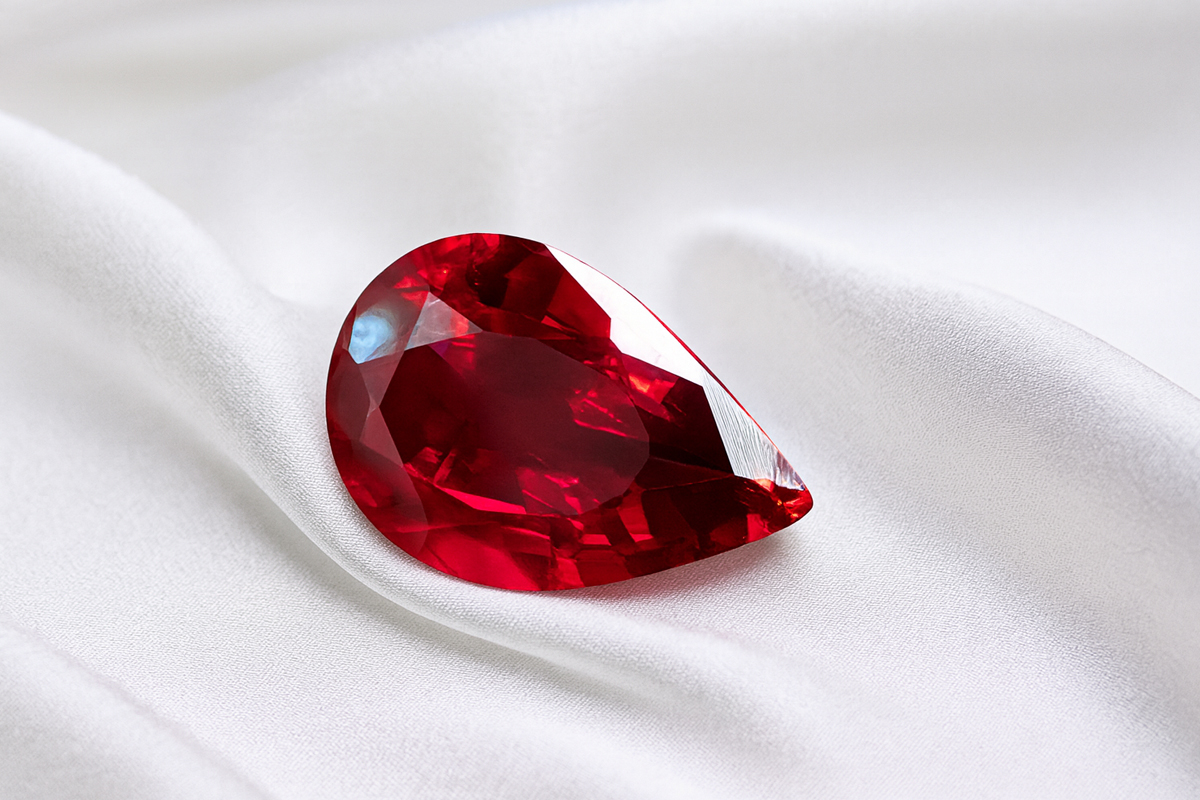
The 4C’s are the four key factors used to evaluate the quality and value of a gemstone. These include Cut, Color, Clarity, and Carat Weight. Think of the 4C’s as the “ingredients” that determine how a gemstone looks, how rare it is, and how much it’s worth. Each factor plays a role in its overall beauty and desirability.
-
Cut
-
Colour
-
Clarity
-
Carat Weight
Let’s explore each of these in detail.
- Cut – The Shape and Facets of a Gemstone
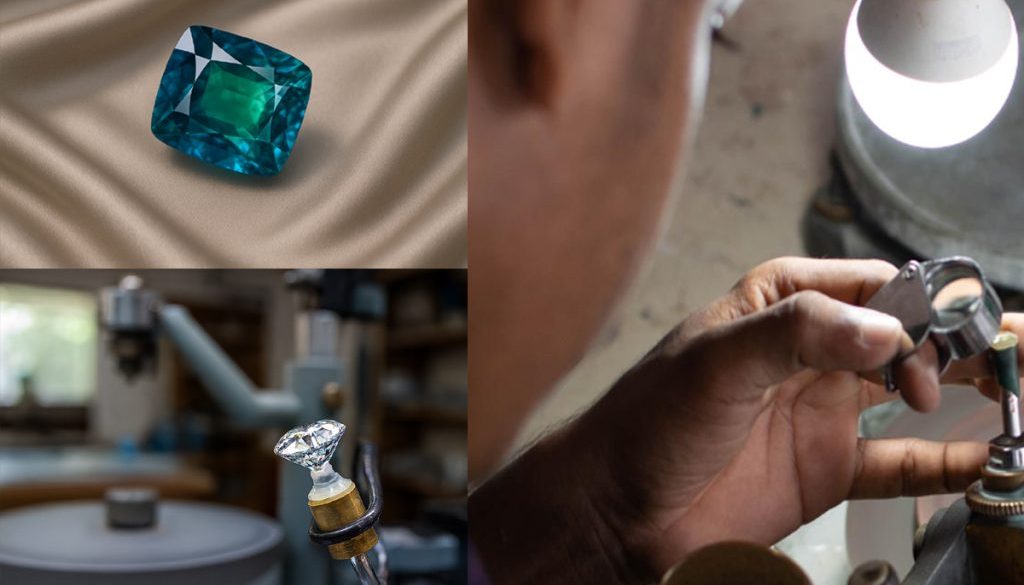
When you hear people talking about a gemstone’s “cut,” they’re not talking about its shape (like round or square). Instead, the “cut” refers to how well the gemstone has been shaped and faceted to maximize its brilliance, sparkle, and overall visual appeal. A well-cut gem reflects light beautifully, while a poorly cut gem may appear dull or lifeless.
How Cut Affects the Value
The cut is often considered the most important of the 4C’s because it directly influences how the gem sparkles and catches the light. A well-cut gemstone will shine brightly, while a poorly cut one can appear flat, even if it has the best color or clarity.
For example, diamonds are cut into specific shapes, such as round brilliant, princess, or oval, to maximize the way light interacts with the stone. A diamond with an excellent cut will shine with intense brilliance, adding significantly to its value.
- Color – The Hue of the Gemstone
Color is one of the most important characteristics that people look for when choosing a gemstone. For most gemstones, the richer and more vivid the color, the more valuable the stone. But the color of a gem isn’t just about how bright or dark it is – it’s also about its hue, tone, and saturation.
How Color Affects the Value
Gemstones come in a wide range of colors, from the fiery red of a ruby to the vibrant green of an emerald. But not all colors are equal when it comes to value. For instance, in diamonds, a completely colorless diamond is considered the most valuable, while diamonds with noticeable yellow or brownish tints are less valuable. Similarly, sapphires that are rich blue in color tend to be the most highly prized.
Color Factors to Consider:
- Hue: The actual color of the gemstone (e.g., red, blue, green, yellow).
- Tone: The lightness or darkness of the color.
- Saturation: The intensity or strength of the color.
An example: The most valuable rubies are those that have a deep, vibrant red hue, often called “pigeon’s blood” red, while lighter or more orangey red rubies are considered less valuable.
- Clarity – The Presence of Inclusions or Blemishes
Clarity refers to the presence of any inclusions (internal flaws) or blemishes (external flaws) within or on the surface of a gemstone. When a gem forms in the Earth, natural elements such as gas bubbles, minerals, or other crystals can become trapped inside the stone, creating inclusions. External blemishes, like scratches or nicks, can also affect a gemstone’s clarity.
How Clarity Affects the Value
In general, the fewer inclusions and blemishes a gemstone has, the more valuable it is. However, not all inclusions are visible to the naked eye, so gemologists use magnification tools to inspect gemstones more closely. Some inclusions may even add character or uniqueness to a gem.
For example, in diamonds, stones with no visible inclusions or blemishes under 10x magnification are considered “flawless” and are extremely rare and valuable. A diamond with visible inclusions, such as a cloudy spot or a crack, will be worth significantly less than a flawless one. However, a gemstone like jade or emerald may have inclusions that are considered acceptable and even desirable, as they don’t detract from its value.
- Carat Weight – How Heavy is the Gemstone?
Carat weight measures how much a gemstone weighs, not its size. One carat is equivalent to 200 milligrams, but because gemstones come in various shapes and cuts, two stones with the same carat weight can have different sizes. Larger gemstones are generally rarer and more valuable, especially if they are of high quality in all the other 4C’s.
How Carat Weight Affects the Value
Carat weight plays a big role in the price of a gemstone. Generally speaking, the more carats a gemstone has, the higher its price. However, two gemstones of the same carat weight can have vastly different prices depending on their cut, color, and clarity. For example, a 2-carat diamond with excellent cut, color, and clarity could cost much more than a 2-carat diamond with poor quality in those areas.
How the 4C’s Affect the Value of a Gem
Now that we know what the 4C’s are, let’s discuss how each one influences a gem’s overall value.
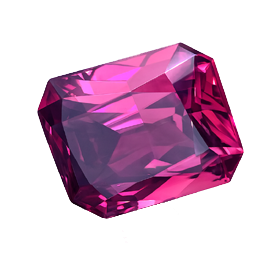
- Cut: A well-cut gemstone increases its brilliance and sparkle, making it more attractive. A poorly cut gemstone loses its potential to shine and is worth less.
- Color: A gemstone’s color is one of the most important factors in determining its value. The richer and more vivid the color, the more valuable the gem. For diamonds, colorless stones are the most valuable.
- Clarity: The fewer the inclusions and blemishes, the higher the value. However, clarity doesn’t always mean perfection – some gemstones, like emeralds, may be valued despite having visible inclusions.
- Carat Weight: Larger gemstones are generally more expensive, but a gem’s size should be considered in conjunction with its cut, color, and clarity.
Conclusion: Understanding the 4C’s of a Gem
The 4C’s – Cut, Color, Clarity, and Carat Weight – are the four most important factors in determining the quality and value of a gemstone. Each factor plays a critical role in how a gemstone is evaluated, and together they help determine how much a gemstone is worth. Whether you’re buying a diamond, a ruby, or an emerald, understanding the 4C’s can help you make an informed decision about your purchase.
Remember, the 4C’s are not just about numbers or technicalities – they are about what makes a gemstone truly beautiful and unique. By learning about these factors, you’ll not only be able to understand gemstone value better, but you’ll also gain an appreciation for the natural beauty of the gems that catch your eye.