
Why Ethical Sourcing Matters in the gem industry
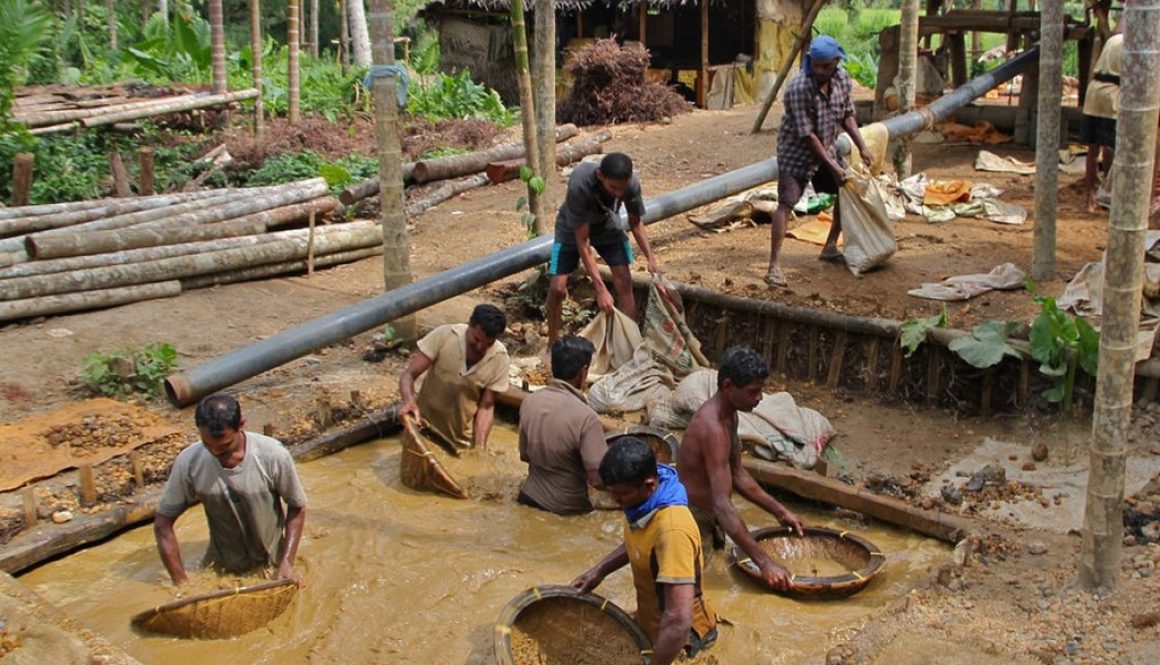
In the global economy, gem industry plays an important part especially in developed countries. As gemstones are a valuable resource, gems such as diamonds, emeralds, sapphires and rubies can provide an income and employment for many people. Yet, the gem industry’s been associated with severe downfalls. That includes child labor, armed conflict, environmental damage and unsafe working conditions.
Image Credit : www.airasl.com
Ethical sourcing promotes responsible gemstone production by human rights, worker safety, local communities, and the environment sustainability.
Meaning of ethical sourcing
Ethical sourcing means responsible gemstone production and trading. In fact, this contains:
- No forced or child labor.
- Working conditions of safety and health for miners.
- Gemstones can’t be used for violence and conflict.
- Activities such as mining cause fewer harm to the environment.
- Gemstones can be tracked from the mine to the final customer.

Image Credit : www.airasl.com
According to the United Nations, across the world more than 40 million people work in small scale and artisanal mining across the world. Most of these labors work are informal and also they lack legal protection. Ethical sourcing intentions are to improve their working conditions instead of them being rejected from the global marketplace.
Conflict Gemstones and Ethical Actions
In the 1990s, diamonds were taken to finance supplied conflicts in countries such as Angola, and Liberia. These were known as conflict diamonds.
To deal with this problem, in 2003, the Kimberley Process Certification Scheme was established to prevent conflict diamonds from going into global markets. It is a global system that involves the government, civil society and the diamond industry. According to official Data shows that over 99% of rough diamonds that are traded today are certified through this process.
But the Kimberley Process focus mainly on conflicts relating to rebel groups and doesn’t fully protect the labor rights or wider human rights issues. This shows that stronger ethical sourcing standards are required.
Working conditions and Human rights
Study by Human Rights Watch and the International Labour Organization (ILO) shows that precious stone mining in some regions remains to involve:
- Child labor
- Unsafe and unbalanced mining conditions
- Tunnel collapses and injuries
- Long working hours and low wages
To improve safety standards to follow labor laws, and allow regular reviews, ethical sourcing programs require traders. These processes help protect labors and help funding their families.
Environmental Effect
If it’s not maintained properly, gemstone mining can cause severe environmental damage. Common issues include:
- Deforestation
- Soil erosion
- Pollution of rivers and groundwater
- Loss of wildlife habitats
The United Nations Environment Programme (UNEP) highlights that responsible mining follows land rebuilding and controlled water use, can significantly decrease environmental damage. Ethical sourcing sponsors the use of these practices.
Transparency and Traceability
However it’s difficult to identify the gemstones true origins because they often pass through many traders before reaching the final consumer.
Ethical sourcing supports:
- Clear certification of gemstone origins
- Independent checks and certifications
- Better transparency in supply chains
- Digital and blockchain-based tracing systems
Companies identify and manage ethical risks in mineral supply chains, by the management of The Organization for Economic Co-operation and Development (OECD).
Importance of ethical sourcing
Ethical sourcing includes:
- Protects miners and local groups
- Builds trust with customers and traders
- Reduces permitted, financial, and reputational risks
- Helps companies meet universal laws and standards
- Responds to developing demand for responsibly sourced gemstones
Conclusion
For the continuing sustainability of gemstone production and trade, Ethical sourcing is very important. It helps to avoid human rights exploitations, protects the environment, and supports fair financial development.
The sector can move past its history of conflict and abuse and build a more clear, fair, and responsible future, by obligating to ethical sourcing.