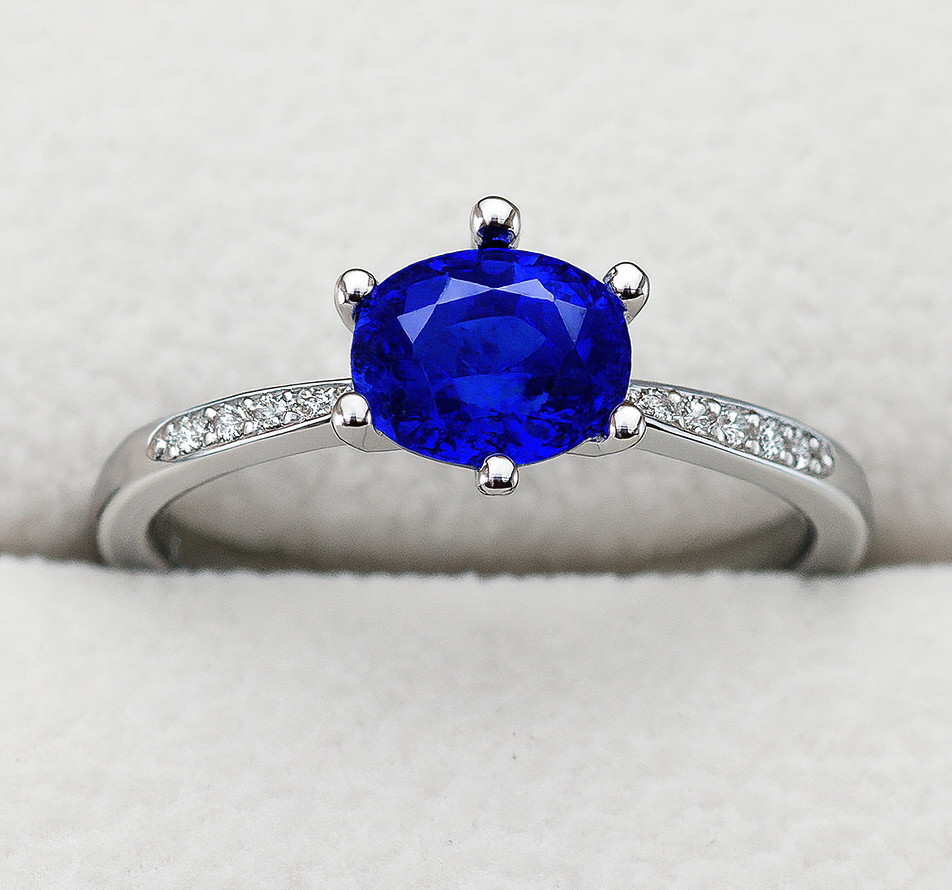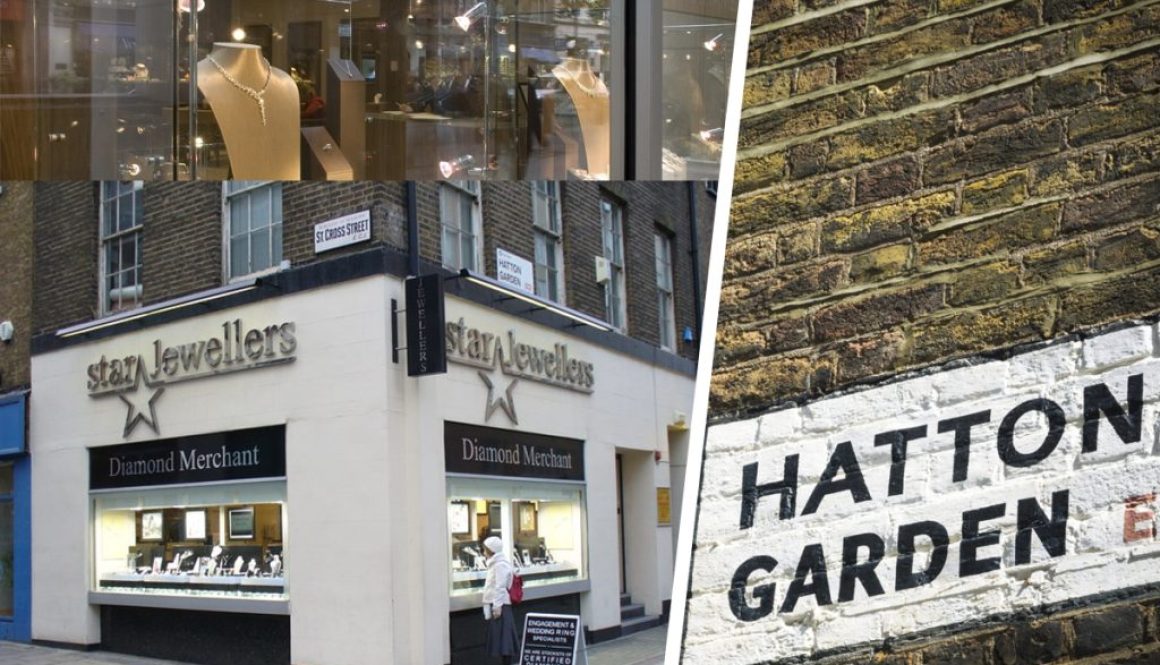
Why the World Still Buys Its Engagement Rings in Hatton Garden
Hatton Garden, London: History, Jewelry, and Useful Insight
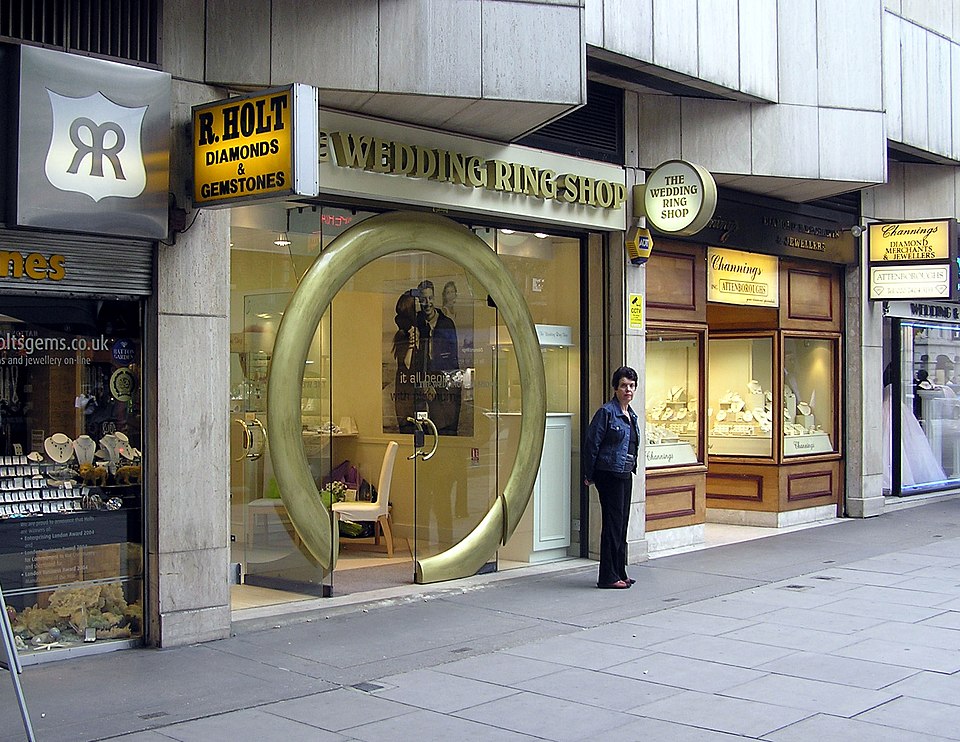
Image Credit : https://en.wikipedia.org/
Hatton Garden Located in Holborn, in the London Borough of Camden and it is widely known as the Centre of the UK’s jewelry and diamond trade. For over a century it has been a place where gems are sold, brought cut and displayed. And it also has some of London’s most skilled craftspeople work. Today, Hatton Garden remains to put historic legacy with modern knowledge, making it an essential destination for anyone interested in fine jewelry.
To increase in value Hatton Garden fully, it helps to understand where it came from and how it operates today.
Origins: From Church Land to City District
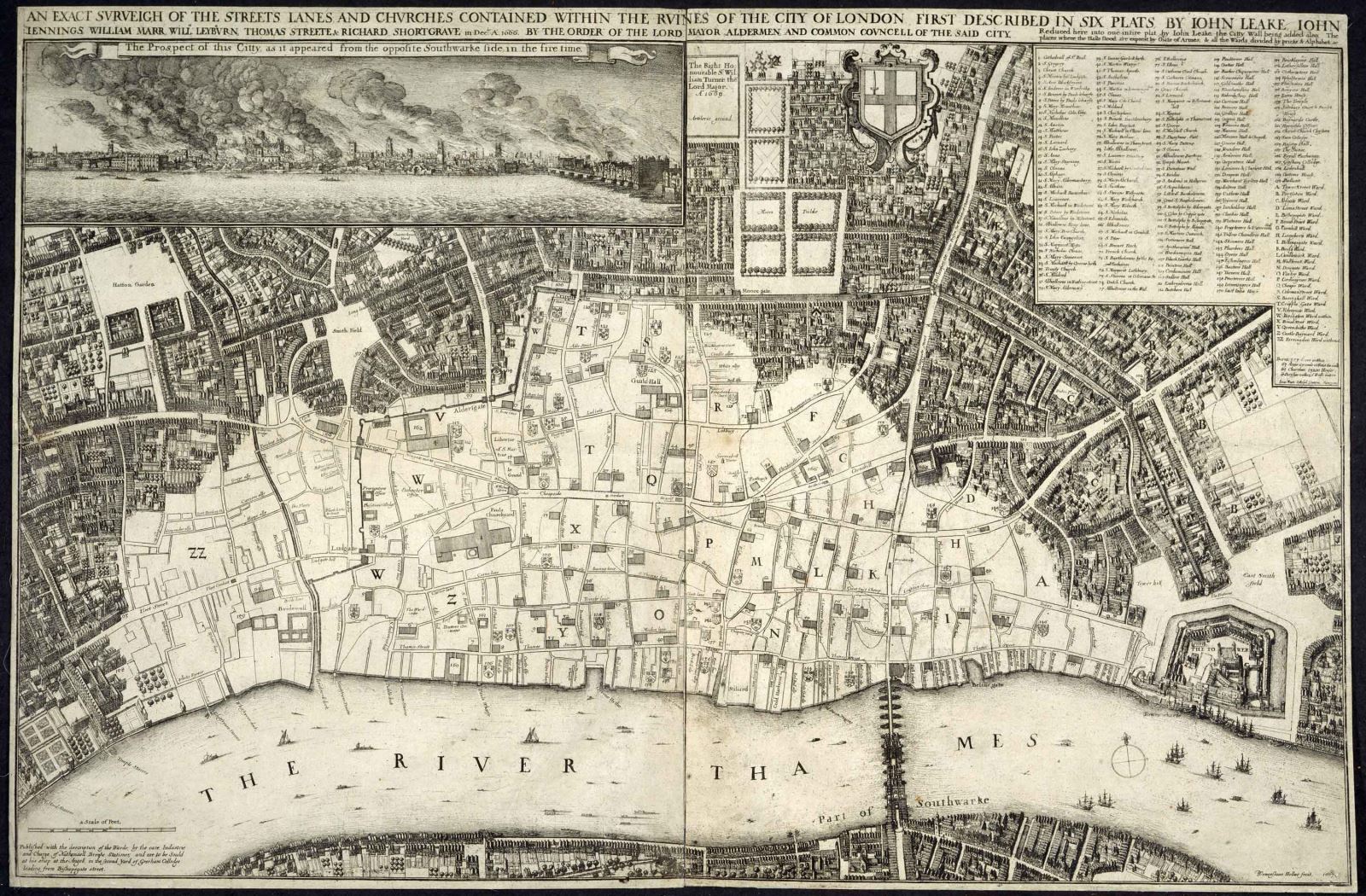
Image Credit : https://www.hatton-garden.london/visit/guides/hatton-garden-history-growth-of-the-garden-
The range now known as Hatton Garden was originally part of the land of the Bishops of Ely which was used as gardens and woods beyond the medieval City of London. This open land remained largely untouched for centuries until 1581, when Queen Elizabeth I decided it to her Lord President, Sir Christopher Hatton. As London expanded, the gardens were built over and the district gradually adopted his name. Hatton Garden had become a mixed residential and commercial area, by the 17th and 18th centuries. One of the flawless reminders of its early history is St Etheldreda’s Church in Ely Place, one of the oldest remaining medieval churches in London, which is still in use today.
The Progress of the Jewelry Quarter

Image Credit : https://www.hatton-garden.london/hatton-garden-jewellers/eternity-jewels
It is located near the City of London, Hatton Garden’s identity as a jewelry district developed in the 19th century. It’s, along with access to banks, insurers, and transport routes, made it perfect for handling high-value goods. Skilled jewelers and diamond dealers—many connected to European diamond centres such as Amsterdam and Antwerp—established workshops and exchange offices in the area.
Hatton Garden had become London’s principal jewelry quarter by the late 1800s. Over time, it established a tightly connected network of specialists, including diamond dealers, stone cutters, setters, designers, valuers, goldsmiths and secure vault operators. This attention of expertise remains its defining feature, with around 300 jewelry-related businesses in the district today.
Hatton Garden Today
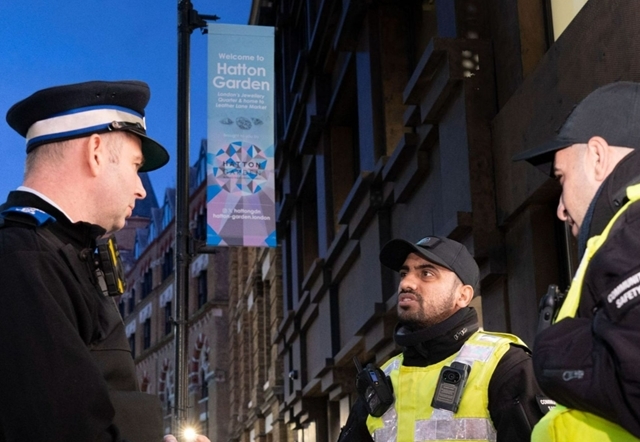
Image Credits : https://www.hatton-garden.london/news-and-events
Modern Hatton Garden is not a typical shopping street but a working trade environment. Many grounds have discreet entrances and go by an appointment, combining trade showrooms with workshops and offices on upper floors.
The area is on the whole known for:
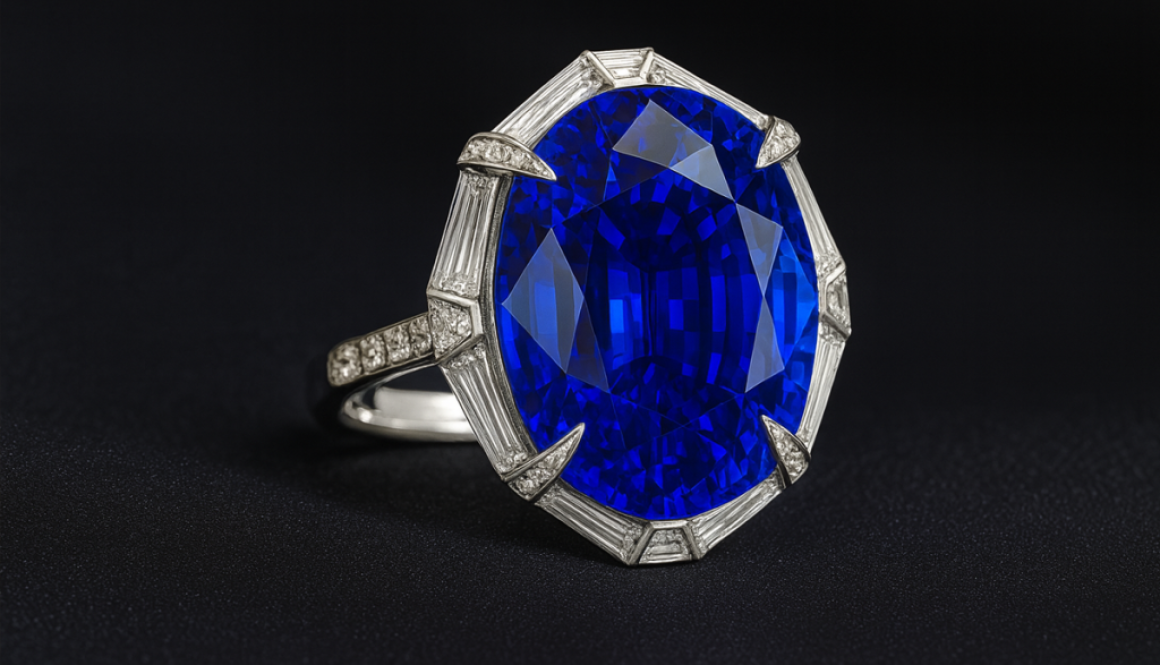
• Engagement and wedding rings
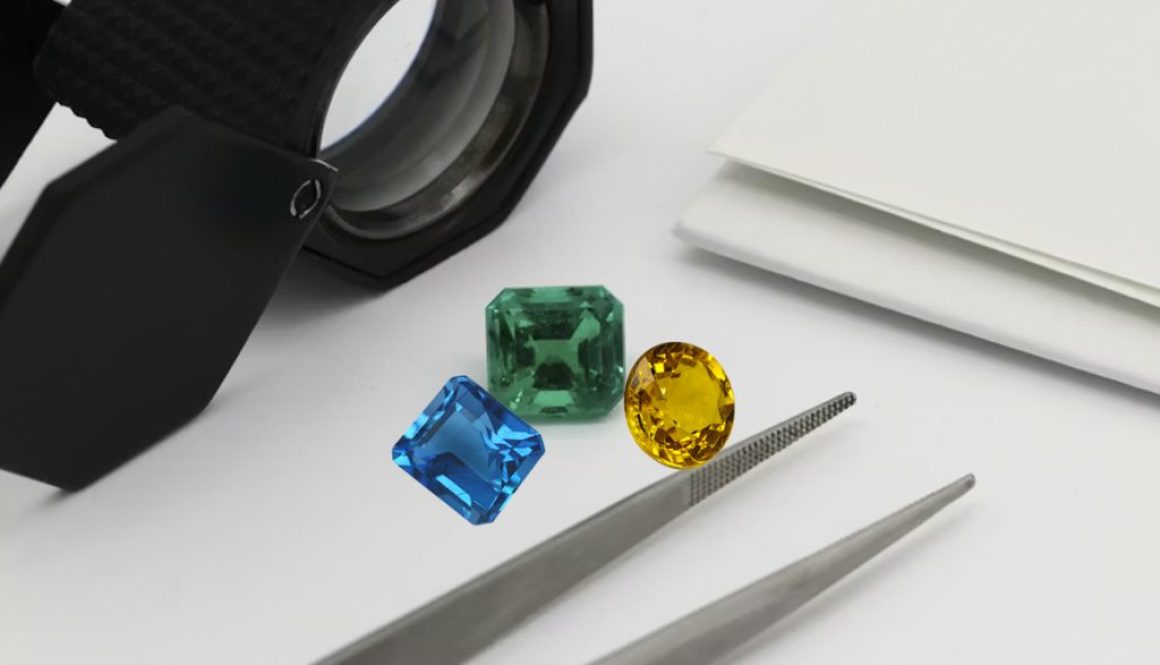
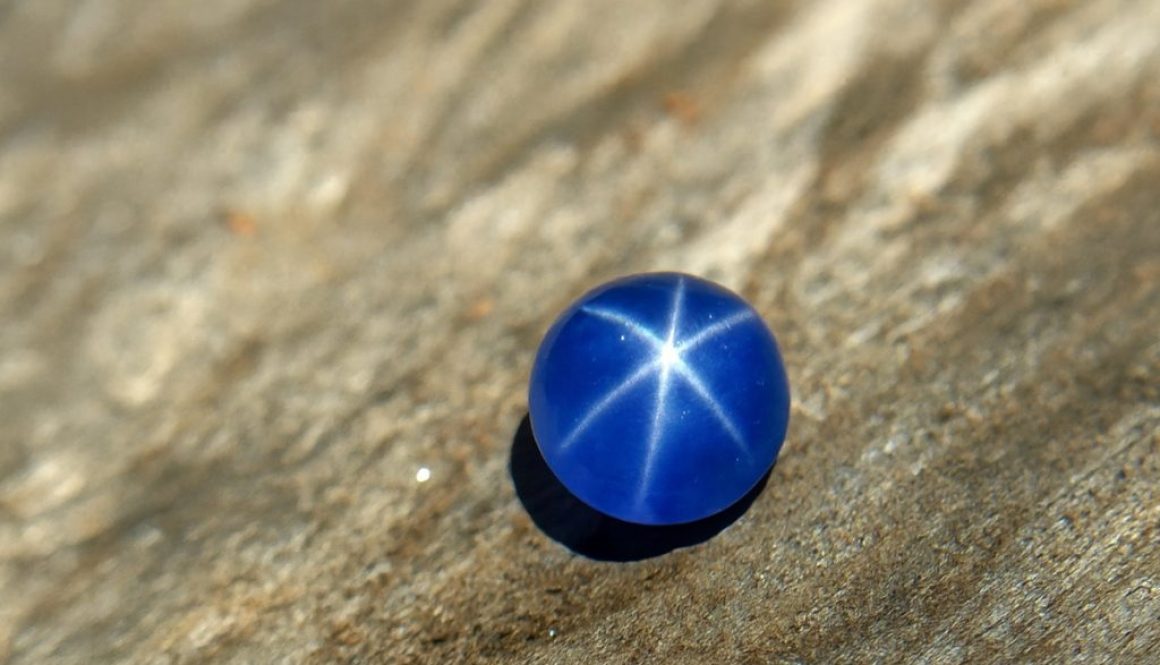
• Loose diamonds and coloured gemstones
• Modified and custom-made jewelry
• Jewelry repairs, remodeling, and valuations
Numerous globally major companies have been based here over the years, including De Beers, underlining Hatton Garden’s role in the global diamond trade.
Useful Advice for Visitors and Buyers
For those planning to buy jewelry, Hatton Garden offers advantages—provided visitors approach it considerately.
It is sensible to visit multiple jewelers, as charges, design styles, and stone quality can be different. Trustworthy dealers will explain the 4 Cs of diamonds and provide recognized certification, which is most commonly from the GIA or HRD.
One of Hatton Garden’s strong suit is customized work. Hiring a custom piece often costs no more than purchasing a branded high-street item, while allowing better control over design and materials. Security measures can feel official, but they are standard in a district treatment valuable goods; professional service is the standard.
Opening Hours and Position
You can find Hatton garden between Holborn Circus and Clerkenwell Road.. Most businesses trade during conservative weekday hours, which are usually Monday to Friday, 10am to 5pm.it has limited Saturday opening are available, with most grounds closed on Sundays. Also appointments are recommended for consultations or custom-built jewelry.
Crime, public Attention and Vaults
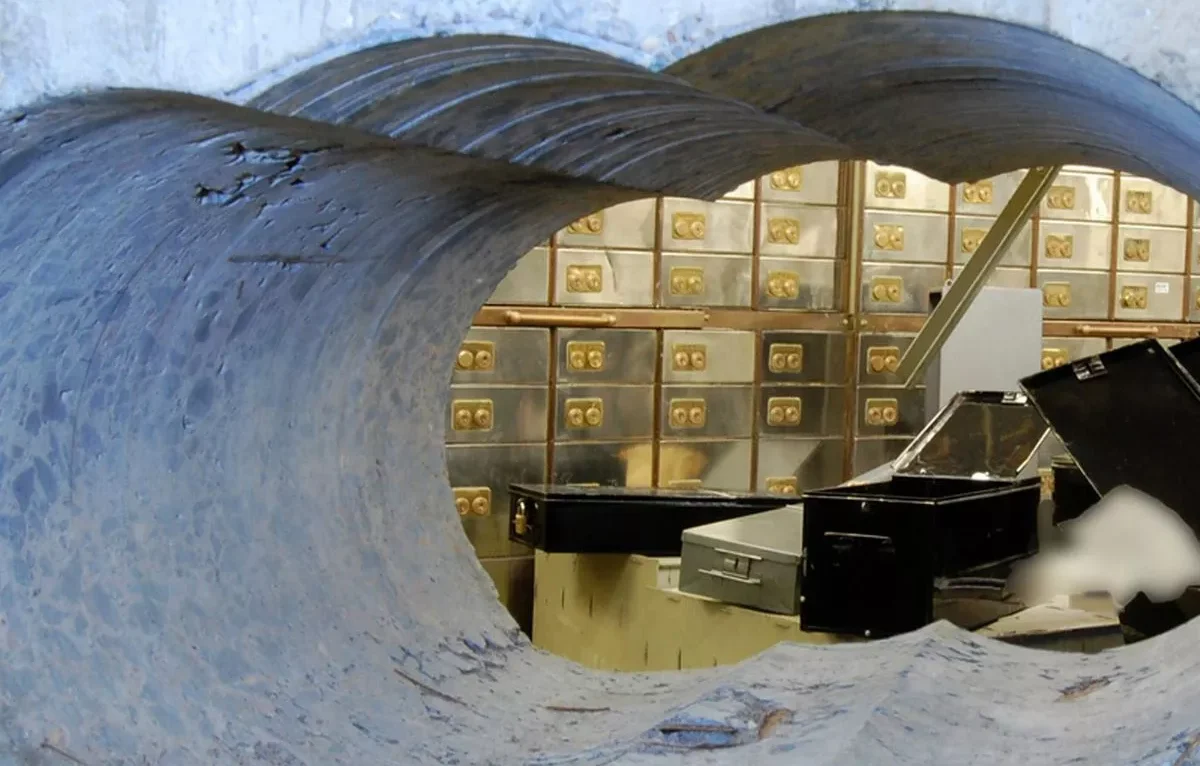
Image Credits : https://tavexbullion.co.uk/
The concentration of wealth has also brought disrepute. About £7 million value of jewels were stolen from Graff Diamonds In 1993. The part became internationally well-known again in 2015. It happened when a group of thieves bankrupt a safe-deposit vault over the Easter weekend. Courts later established that around £14 million was stolen; most of it was never recovered.
The Neighboring Area
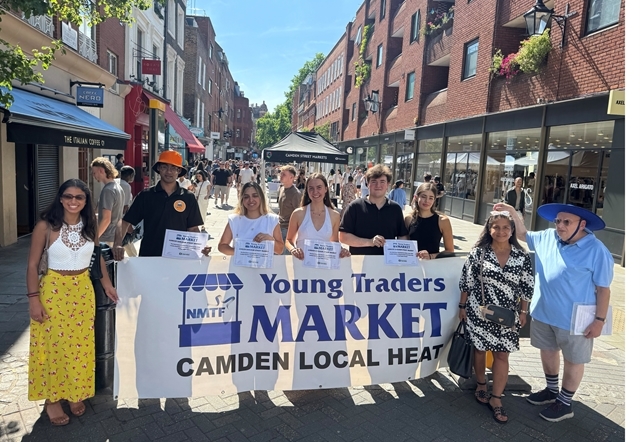
Hatton Garden forms part of a historically rich compact of central London. Just a few meters away, Ely Place offers a sight of medieval London, Leather Lane Market makes this area more busier by establishing weekday food stalls, and Clerkenwell is recognized for its architectural legacy, design studios, and typical pubs.
A definite worthy place to visit

Image Credits : https://www.hatton-garden.london/visit/guides/a-brief-history-of-hatton-garden-jewellers
Yes—if you have a clear purpose. Hatton Garden is not designed for a casual look around or tourism alone. Its value lies in capability, expertise, and access to specialist acquaintance. For those buying fine jewelry, especially diamonds or engagement rings, it remains the most focused and competitive jewelry district in the UK.
Quietly operating behind secure doors in the Centre of London, Hatton Garden endures because it effectively combines centuries of history with a living and Professional trade.