Beginner’s Guide to Buying a Sapphire
Welcome to Gemguidebook.com! If you’re just starting to explore the world of sapphires and want to buy one with confidence, this guide is for you. We’ll walk you through the basics—from sapphire types and color quality to treatments, pricing, and where to shop—so you can make a beautiful, informed, and lasting purchase.
Why Sapphires Make Excellent Long-Term Purchases
Fine sapphires, especially top-quality stones, are prized both as luxury jewelry and as potential long-term assets. Blue sapphires from Sri Lanka (Ceylon), Kashmir, and Burma (Myanmar) are especially sought after and can rise in value over time, particularly if they’re completely untreated.
Sapphires combine several advantages:
-
Rarity & Beauty: High-quality stones are limited in supply and visually striking.
-
Durability: As the second hardest natural gemstone after diamond, sapphires are ideal for daily wear.
-
Timeless Style: Classic sapphire jewelry doesn’t go out of fashion and can be passed down as an heirloom.
Fun fact:
The famous 12-carat blue sapphire in Princess Diana’s engagement ring—now worn by Catherine, Princess of Wales—dramatically boosted global interest and demand for sapphires.
The Main Types of Sapphires
Sapphires are far more diverse than just blue. Here are the key categories:
-
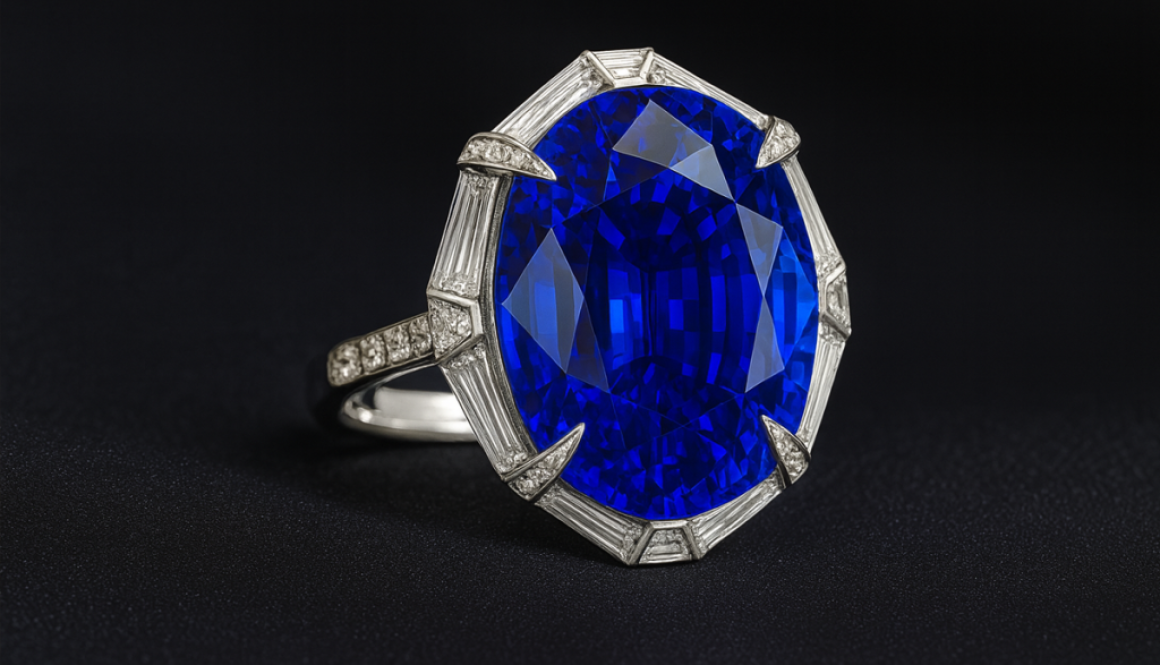
Blue Sapphire
The iconic sapphire. The most coveted stones often come from Sri Lanka, Kashmir, and Burma. -
Padparadscha Sapphire
A rare and highly prized pinkish-orange variety, most commonly associated with Sri Lanka. -
Fancy-Colored Sapphires
These include pink, yellow, green, and purple sapphires and are gaining popularity among modern buyers. -
Star Sapphire
Contains fine needle-like inclusions that create a star-shaped pattern (asterism) across the surface when viewed under a direct light. -
Color-Change Sapphire
These shift color depending on the light—typically appearing blue in daylight and purplish under incandescent lighting.
Some buyers specialize in a single type (for example, only padparadscha), while others build collections with a wide range of colors and effects.
Understanding Sapphire Color: Hue, Tone, and Saturation
Color is the most important value factor in sapphires. Professionals often break color into three components:
-
Hue: The basic body color (e.g., blue, pink, yellow).
-
Tone: How light or dark the color appears.
-
Saturation: How intense or vivid the color is.
For blue sapphires, the most desirable color is a rich, vivid royal blue—neither too dark and inky nor too pale and washed out. Stones that are overly dark or too light are generally less valuable.
Quick tip:
View the sapphire in different lighting conditions. Morning daylight is especially useful for seeing the stone’s most accurate color.
Cut and Shape: Not Just About Style
While diamonds follow strict cut grading systems, sapphires don’t have a universal cut grade. However, cut still plays a huge role in how a sapphire looks:
-
A well-cut sapphire will show even color, good brightness, and attractive sparkle from various angles.
-
A poorly cut stone might look dull, overly dark, or patchy in color, even if the rough material was high quality.
Popular shapes include:
-
Oval (very common for sapphires)
-
Cushion
-
Round
-
Pear
-
Emerald cut
Fun fact:
Sapphire cutters often work with the natural shape of the rough stone, trying to keep as much weight as possible while still getting strong color and brilliance.
Heated vs. Unheated Sapphires
Most sapphires on the market are heat-treated to improve color and clarity. This is a standard, stable, and generally accepted practice in the gemstone industry.
However, unheated (untreated) sapphires are much rarer and usually more expensive.
Why Unheated Sapphires Cost More
-
Rarity: Only a small fraction of sapphires reach the market without any heat treatment.
-
Collector Appeal: Serious collectors often prioritize untreated stones.
-
Natural Origin: Many buyers appreciate a gemstone that has not been enhanced by humans.
When shopping, always ask for a respected laboratory report that clearly states whether the stone has been heated or is untreated.
How Sapphires Are Valued (Plus Sizing Suggestions)
Gem professionals often consider the following when assessing value:
-
Color: Strong, vivid, and appealing colors command the highest prices.
-
Clarity: While some inclusions are expected, fewer and less visible inclusions are preferable.
-
Cut: A good cut shows off the stone’s brightness and color evenly.
-
Carat Weight: Larger sapphires are much rarer and prices climb steeply with size.
-
Origin: Stones from renowned locations like Kashmir, Burma, and Sri Lanka often sell at a premium.
Practical Sizing Tips
-
Rings:
Around 1–3 carats is a comfortable and elegant size for everyday wear. -
Earrings:
Approximately 0.5–2 carats per ear is typical, depending on the design and style. -
Pendants:
Often range from 1–4 carats, with larger stones making more of a statement.
Where You Can Buy Sapphires
There are several options, each with pros and cons:
1. Buying Near the Source
Traveling to gem-producing regions—such as Ratnapura in Sri Lanka—can be exciting and may offer competitive prices. However, this approach requires experience and, ideally, a trusted local expert to avoid costly mistakes.
2. Open Gem Markets
Famous gem markets include places like Beruwala in Sri Lanka or Chanthaburi in Thailand. These can be excellent for variety and price, but you’ll need strong negotiation skills and a solid eye for quality.
3. Local Gem Dealers
Working with a reputable, certified local dealer who provides gemstone reports is often one of the safest paths. Over time, building a relationship with a trusted expert can lead to better selections and fair pricing.
4. Auctions
High-end auction houses sometimes offer exceptional, collectible sapphires. These pieces are usually rare and aimed at buyers looking for something truly special—often at premium prices.
5. Jewelry Stores
Established jewelry shops provide convenience, after-sales service, and clear return or exchange policies. Many offer ready-made sapphire jewelry as well as loose stones, often accompanied by gemstone reports.
6. Online Retailers
Online shopping can provide access to a wide inventory. Look for sites that offer:
-
Clear, high-quality photos and videos
-
Transparent descriptions and treatment disclosure
-
Independent lab reports
-
Reasonable return policies
Important Precautions When Buying a Sapphire
To protect yourself and your investment, keep these points in mind:
-
Ask for a Gem Report:
Obtain documentation from a respected gemological laboratory whenever possible. -
Review Return Policies:
This is especially important when buying online or overseas. -
Choose Reputable Sellers:
Work with trustworthy jewelers and dealers with solid reputations. -
Watch for Synthetic Sapphires:
Lab-grown sapphires can look similar to natural ones but usually have relatively low resale value. They should always be clearly disclosed as synthetic. -
Confirm Treatments:
Make sure any heating or other treatments are fully and honestly explained. -
Set a Realistic Budget:
Sapphires can range from relatively affordable to extremely costly. Decide in advance how much you’re comfortable spending. -
Use Your Own Eyes:
Compare several stones side by side in good natural light. Choose the one that visually appeals to you the most—not just what looks best on paper.
Final Thoughts
Buying a sapphire is both an emotional and practical decision. Whether you’re choosing a romantic gift, treating yourself, or looking for a stone with long-term value, a bit of knowledge goes a long way.
Take your time, learn the basics of color, cut, clarity, and treatment, and whenever possible, seek guidance from qualified experts. With the right information and a trusted seller, you can enjoy the sparkle, depth, and beauty of one of Earth’s most enduring gemstones—today and for generations to come.
Happy sapphire hunting!