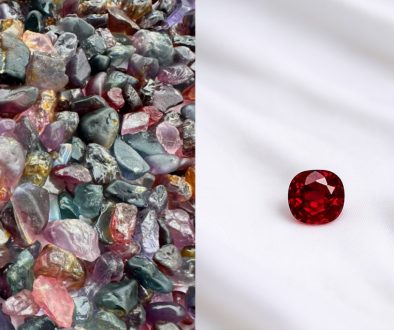
Is It Safe to Buy Gemstones Online? A Beginner’s Guide
In today’s digital world, nearly everything is available at the click of a button — including precious gemstones. What once felt unusual, like ordering a ruby or sapphire online, is now becoming common. Still, many first‑time buyers wonder: Is buying gemstones online safe or is it a gamble?
This beginner‑friendly guide walks you through the growing online gem market, the safest places to buy, the benefits and potential risks, and what to look out for so you can shop with confidence.
1. Why Are More People Buying Gemstones Online?
The rise of global e-commerce and improved digital access has made online gemstone shopping increasingly popular. Many shoppers are now comfortable purchasing valuable items online, especially with the convenience of browsing huge collections from home.
Reputable gem dealers and even major auction houses have moved online, offering detailed photos, certificates, and transparent pricing. In the U.S., U.K., and across Asia, online marketplaces for gems are becoming mainstream. Platforms such as Gem Rock Auctions, James Allen, and several specialty marketplaces now allow collectors and buyers to explore gemstones sourced from all over the world.
2. Where Can You Buy Gemstones Online?
Here are the most common types of platforms where gems are sold:
• Specialized Gemstone Marketplaces
Platforms like Gem Rock Auctions, GemSelect, and AfricaGems focus specifically on certified stones. They often provide return policies, buyer protection, and lab certificates.
• Online Jewelry Retailers
Retailers such as James Allen or Blue Nile sell loose gems as well as finished jewelry, often with high‑quality images or 360° videos to show each stone clearly.
• Online Auction Sites
Websites including eBay, Catawiki, and major auction houses like Sotheby’s and Christie’s offer gems through bidding. These require careful attention to seller reputation and certification.
• Social Media Sellers
Many gem traders operate through Instagram and similar platforms. While some are trustworthy, others may not be as reliable.
• Gem Wholesalers
Companies such as Navneet Gems or GemPundit offer direct wholesale and retail sales online.
Tip: Check for third‑party gem certifications (GIA, IGI, AGS, etc.) and read reviews before making a purchase.
3. Why Buying Gemstones Online Can Save Money
Many buyers find better prices online than in physical stores due to:
-
Lower business costs: Online sellers don’t pay for showrooms or large staff teams.
-
Greater variety: Thousands of stones from around the world are available in one place.
-
Direct sourcing: Some sellers work directly from mining regions, eliminating middlemen.
-
Frequent discounts and auctions: Seasonal sales and bidding platforms can offer major savings.
For example, someone in London looking for a Sri Lankan sapphire may find the same quality stone online — complete with certification — for a fraction of what a local jeweler might charge.
4. What Are the Risks of Buying Gemstones Online?
While online shopping has advantages, there are real risks in the gemstone market:
-
Synthetic or heavily treated stones sold as natural
-
Misleading images or inaccurate descriptions
-
Non‑existent return policies
-
Scams, including sellers disappearing after payment
-
No physical inspection before buying
A common situation: a buyer pays $300 for what is advertised as a “natural ruby,” only to receive a glass‑filled or synthetic stone worth far less. This happens frequently with unreliable sellers.
5. How to Reduce Risks When Buying Gems Online
You can greatly increase your safety by following these steps:
-
Request certification from trusted labs like GIA, IGI, or AGS.
-
Research the seller — check reviews, business history, and online presence.
-
Ask for real photos or videos of the exact stone.
-
Check the return policy to ensure you’re protected.
-
Use secure payment methods such as credit cards or trusted payment processors.
-
Get an expert’s opinion after receiving the stone, especially for higher‑value purchases.
Remember: If the price seems unrealistically low, trust your instincts.
6. What to Do After Your Gem Arrives
Once your gemstone is delivered:
-
Inspect it immediately under good lighting.
-
Compare it to the seller’s description — color, size, cut, and any certificate details.
-
Have it evaluated by a certified gemologist if the stone is valuable.
-
Store certificates and receipts safely.
-
Leave feedback or a review to help future buyers.
7. Pros and Cons of Online Gem Purchasing
| Pros | Cons |
|---|---|
| Convenient and quick | You can’t examine the gem in person |
| Access to global sellers | Risk of fake or misrepresented stones |
| Competitive pricing | Possibility of scams |
| Huge selection | Returns may be costly |
| Easy price comparison | Disputes can be harder to resolve |
Final Thoughts
Buying gemstones online can be a safe and rewarding experience — as long as you take the right precautions. Staying informed, choosing reputable sellers, and insisting on proper certification will protect you from most risks.
Whether you’re investing in a high‑quality sapphire or looking for a beautiful gem for custom jewelry, online marketplaces open the door to exciting possibilities. Just be sure to double‑check details, ask questions, and make informed decisions.
Trusted Sources
-
Gemological Institute of America (GIA)
-
International Gem Society (IGS)
-
Wikipedia: Gemstone
-
Gem Rock Auctions
-
James Allen
-
Blue Nile